Can Socializing Support Better Brain Health?
Gusti Ayu Tita P
21 September 2026
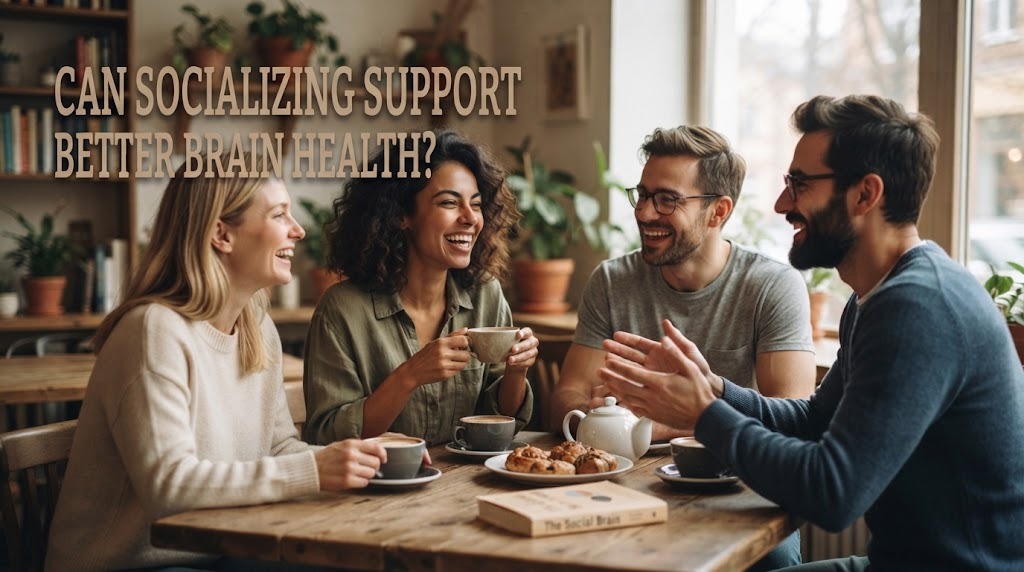
Socializing is an important part of everyday life because humans need communication and meaningful relationships. Spending time with family, friends, classmates, coworkers, or community members can provide mental and emotional stimulation. Social interaction requires the brain to listen, understand information, remember details, and respond to other people. Because of this, regular social activities may support aspects of brain health.
A healthy social life is not only about having many friends. The quality and meaning of social connections can also matter for emotional well-being. Positive relationships may provide support during stressful situations and create opportunities for communication and learning. However, socializing is only one part of maintaining brain health and should be combined with other healthy habits.
HOW SOCIAL INTERACTION STIMULATES THE BRAIN
Everyday conversations involve several cognitive processes. When people communicate, they need to pay attention, understand language, remember information, and choose appropriate responses. These activities require the brain to process information continuously. Regular interaction can therefore provide natural mental stimulation during daily life.
Different conversations can also expose people to new ideas and perspectives. Discussing topics with others may encourage critical thinking and problem solving. Activities such as group discussions, collaborative projects, and meaningful conversations can make social interaction more mentally engaging. This does not mean socializing guarantees protection from cognitive problems, but it can be one source of regular brain stimulation.
SOCIALIZING CAN SUPPORT MEMORY AND LEARNING
Social interactions often require people to remember names, experiences, conversations, and shared information. These activities naturally involve memory and attention. For example, talking about a previous event requires a person to recall details and connect them with the current conversation. Such everyday experiences give the brain opportunities to use different cognitive skills.
Social environments can also encourage learning through the exchange of knowledge. Talking with someone who has different experiences may introduce new information and perspectives. Group activities can provide opportunities to practice communication and learn from others. Combined with reading, education, and other mental activities, social interaction can contribute to an active lifestyle.
POSITIVE RELATIONSHIPS MAY SUPPORT EMOTIONAL HEALTH
Healthy relationships can provide emotional support and a sense of connection. Talking with trusted people may help someone express feelings and deal with everyday challenges. Positive social experiences can also create feelings of belonging and reduce loneliness for some individuals. Emotional well-being is relevant to brain health because mood, stress, sleep, and cognitive function can influence one another.
Not every social interaction is beneficial, however. Relationships that involve constant conflict, pressure, or emotional distress can become a source of stress. Building supportive and respectful relationships is therefore important. People can choose social activities and connections that make them feel comfortable, respected, and valued.
SOCIALIZING MAY HELP REDUCE FEELINGS OF ISOLATION
Long periods of social isolation can affect emotional well-being and may be associated with poorer health outcomes. Regular communication can provide opportunities for companionship and meaningful connection. Simple activities such as having a conversation, eating together, or joining a group can help people feel connected to others. These activities can be especially valuable when someone spends a lot of time alone.
Social connection does not require large groups or frequent events. A short conversation with a friend or family member can still be meaningful. Online communication can also provide connection when meeting in person is difficult, although it should ideally complement rather than completely replace real-world relationships. The most suitable form of socializing depends on a person's circumstances and preferences.
GROUP ACTIVITIES CAN COMBINE SOCIAL AND MENTAL STIMULATION
Many group activities require both communication and active thinking. Joining a study group, community organization, sports activity, volunteer program, or creative class can involve planning, cooperation, decision making, and communication. These activities allow people to interact while also developing skills. They can therefore provide several forms of stimulation at the same time.
Group activities may also encourage people to try new experiences. Learning a new skill with others can make the activity more engaging and provide opportunities for mutual support. Social and mental activities can complement each other as part of a balanced lifestyle. However, people should choose activities that are appropriate for their interests, abilities, and comfort level.
SOCIAL CONNECTIONS CAN SUPPORT HEALTHY AGING
Maintaining social connections becomes particularly important as people move through different stages of life. Retirement, relocation, changes in family circumstances, or other life events can sometimes reduce opportunities for regular interaction. Continuing to communicate with others can provide mental stimulation and emotional connection. Staying socially active can therefore be one component of a healthy aging routine.
Older adults can maintain social connections through family visits, community groups, hobbies, volunteering, exercise classes, or technology-based communication. These activities may provide opportunities to remain engaged with other people and the wider community. Socializing should not be viewed as a replacement for medical care or other healthy behaviors. Instead, it can complement physical activity, good nutrition, quality sleep, and regular mental stimulation.
HOW TO BUILD A HEALTHIER SOCIAL ROUTINE
Building stronger social connections does not have to involve major changes. A person can start by contacting a friend, talking with family, joining a group, or participating in a shared activity. Regular small interactions can gradually become part of a healthy routine. Choosing activities that feel enjoyable can also make socializing easier to maintain.
It is also important to respect personal boundaries and individual needs. Some people prefer small groups and quiet conversations, while others enjoy larger social activities. Healthy socializing should feel safe, respectful, and balanced rather than forced. Finding the right combination of social activities can support emotional well-being while providing natural opportunities for mental engagement.
COMBINING SOCIALIZING WITH OTHER BRAIN HEALTH HABITS
Socializing is most useful when it is part of a broader approach to brain health. Regular exercise, balanced nutrition, sufficient sleep, stress management, and mental activities are also important for overall well-being. Social activities can sometimes support these habits, such as exercising with friends or joining a healthy cooking group. Combining different healthy behaviors can create a more balanced lifestyle.
There is no single activity that can guarantee protection against brain disorders. Socializing should therefore be considered one supportive habit rather than a complete solution. Maintaining meaningful relationships while taking care of physical and mental health can provide a more comprehensive approach. Consistency and balance are more important than trying to follow an unrealistic routine.
KESIMPULAN
Socializing can support better brain health by providing mental stimulation, emotional support, communication, and opportunities for learning. Conversations require the brain to process information, remember details, and respond appropriately. Positive social relationships may also help reduce feelings of loneliness and support emotional well-being. Group activities can provide additional opportunities for cooperation, problem solving, and learning.
However, socializing is only one part of a healthy lifestyle. Strong social connections work best alongside regular physical activity, nutritious food, sufficient sleep, stress management, and mental stimulation. Building meaningful relationships through simple and consistent activities can be a practical way to support overall well-being and maintain an active lifestyle.
Tentang Penulis
Gusti Ayu Tita P
Penulis — Universitas STEKOM
Penulis aktif yang berfokus pada isu-isu akademik, teknologi pendidikan, dan pengembangan sumber daya manusia di lingkungan kampus.