How Can Senior Employees Adapt to Changes in the Workplace?
Gusti Ayu Tita P
25 September 2026
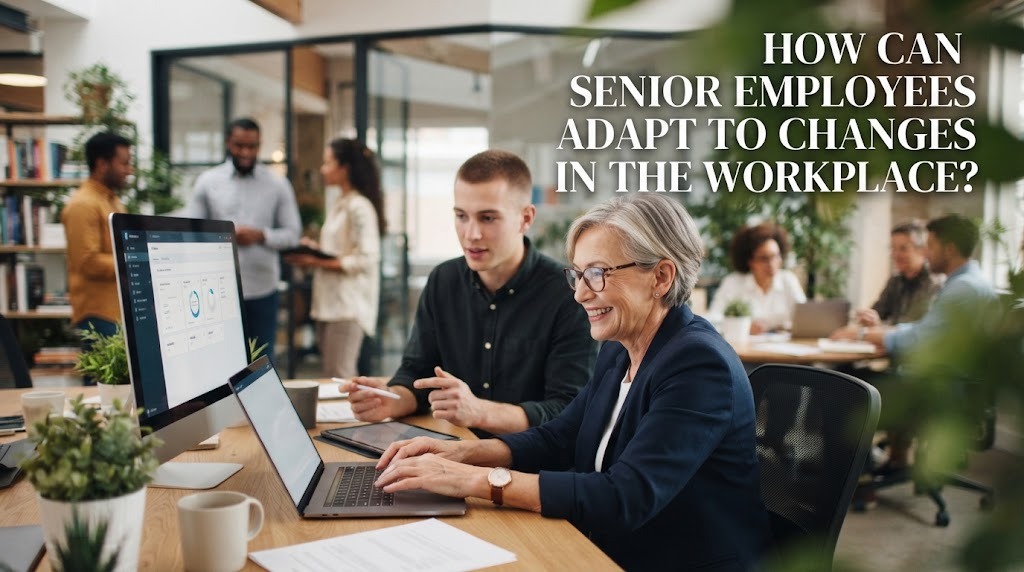
The modern workplace continues to change because of technological development, new business strategies, flexible working systems, and evolving employee expectations. These changes can be challenging for senior employees who have spent many years working with established systems and routines. However, professional experience remains a valuable asset when it is combined with a willingness to learn and adapt. By developing new skills, improving communication, and staying open to change, senior employees can remain productive and confident in a changing workplace.
UNDERSTAND THE REASONS BEHIND WORKPLACE CHANGES
The first step for senior employees to adapt is to understand why a company is making changes. Changes may occur because of new technology, market competition, customer needs, organizational growth, or changes in industry standards. Understanding the purpose of a new system or policy can make it easier for employees to accept and apply the change. Instead of seeing change only as an additional burden, employees can consider how it may improve their work.
Senior employees can ask managers or team leaders for clear explanations when they do not understand a new process. They can also identify which changes directly affect their responsibilities and which changes require new skills. A clear understanding of workplace changes can reduce confusion and help employees prepare more effectively. This approach allows experienced workers to use their existing knowledge while gradually adjusting to new expectations.
DEVELOP DIGITAL AND TECHNOLOGICAL SKILLS
Technology is one of the most significant factors changing the modern workplace. Employees may now need to use collaboration platforms, cloud-based applications, data systems, artificial intelligence tools, and other digital technologies. For senior employees, learning these technologies may require leaving familiar routines and developing new habits. Nevertheless, digital skills can help experienced workers remain efficient and competitive.
Senior employees do not need to master every technology at once. They can start with the tools that are most relevant to their daily responsibilities and gradually expand their knowledge. Digital training, online courses, workplace workshops, and hands-on practice can make the learning process easier. Combining technological knowledge with years of professional experience can create a strong advantage in the modern workplace.
EMBRACE CONTINUOUS LEARNING
Workplace adaptation requires a willingness to keep learning throughout a career. Professional knowledge that was highly relevant several years ago may need to be updated because industries continue to develop. Continuous learning allows senior employees to understand new practices while maintaining the expertise they have already developed. Learning should therefore be viewed as an ongoing professional activity rather than something that only happens at the beginning of a career.
Senior employees can participate in seminars, training programs, professional certifications, webinars, and internal company learning activities. They can also learn from younger colleagues who may have different technical skills or perspectives. Knowledge sharing should work in both directions, because experienced employees and younger workers can learn from each other. This creates a workplace culture where learning is based on cooperation rather than age.
IMPROVE COMMUNICATION WITH DIFFERENT GENERATIONS
Modern organizations often bring together employees from different generations. Senior employees may work with younger colleagues who have different communication preferences, working styles, and expectations. These differences can sometimes create misunderstandings if employees rely too heavily on their own assumptions. Effective workplace communication can help reduce these problems.
Senior employees can adapt by listening actively, asking questions, and avoiding assumptions about younger coworkers. At the same time, they can share their professional experience in a constructive way rather than presenting traditional methods as the only correct approach. Intergenerational collaboration becomes stronger when every employee has an opportunity to contribute. Respectful communication can help create stronger teams and improve cooperation.
BE OPEN TO NEW WORKING METHODS
Many companies now use hybrid work, remote collaboration, flexible schedules, project-based teams, and digital meetings. These modern working methods may feel unfamiliar to employees who developed their careers in traditional office environments. Adapting may require changes in communication, scheduling, task management, and teamwork. Being open to these systems can help senior employees remain effective as organizational practices evolve.
Employees can begin by learning the basic rules and expectations of a new working system. They should understand how meetings are conducted, how tasks are monitored, and how team members communicate when working remotely. Flexibility and adaptability are particularly important when companies introduce new processes. With regular practice, unfamiliar working methods can become part of an employee's normal routine.
USE EXPERIENCE AS A STRENGTH
Adapting to change does not mean that senior employees must abandon the experience they have gained throughout their careers. In fact, professional experience can help employees understand workplace problems from a broader perspective. Experienced workers often have knowledge about customers, business processes, organizational culture, and common operational challenges. These insights can complement new technologies and modern working methods.
Senior employees can use their experience to evaluate whether a new process is practical and how it may affect daily operations. They can also become mentors for younger employees while learning new technical skills from them. Two-way knowledge exchange can strengthen both sides of the workforce. This allows senior employees to remain valuable contributors while continuing to develop professionally.
MAINTAIN A POSITIVE AND ADAPTIVE MINDSET
A positive mindset can make workplace adaptation easier. Employees who view every change as a problem may find it harder to explore new possibilities, while employees who remain curious can identify useful opportunities. This does not mean accepting every change without consideration, but rather being willing to understand it before making a judgment. Adaptability is a professional skill that can be developed through practice and experience.
Senior employees can build adaptability by setting small learning goals and celebrating gradual progress. They can also communicate concerns to managers when a change creates genuine difficulties. Companies should provide appropriate support instead of expecting employees to adapt without guidance. With supportive leadership, continuous learning, and an open mindset, senior employees can respond to workplace changes more confidently.
CONCLUSION
Senior employees can adapt to changes in the workplace by developing digital skills, embracing continuous learning, improving communication, and becoming more flexible with new working methods. Their professional experience should not be viewed as something that conflicts with modern workplace practices. Instead, experience can become even more valuable when combined with current knowledge and technology.
Successful workplace adaptation requires effort from both employees and organizations. Senior workers need opportunities to learn and practice new skills, while companies should provide clear communication, training, and a supportive environment. By combining experience with adaptability, senior employees can continue to contribute effectively in the modern workplace.
Tentang Penulis
Gusti Ayu Tita P
Penulis — Universitas STEKOM
Penulis aktif yang berfokus pada isu-isu akademik, teknologi pendidikan, dan pengembangan sumber daya manusia di lingkungan kampus.