How Can the Risk of Genetic Disorders Be Reduced in Future Children?
Gusti Ayu Tita P
22 September 2026
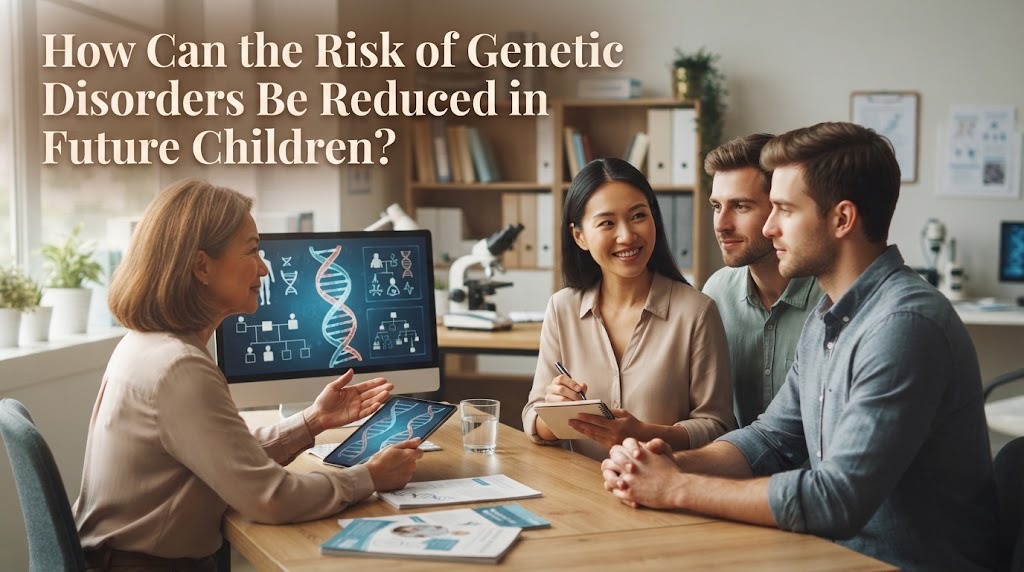
Genetic disorders can sometimes be passed from parents to children, while others result from new genetic changes. Because the causes vary, there is no single method that can prevent every genetic disorder. However, families can take certain steps to better understand genetic risks before having children. Genetic counseling, appropriate testing, and healthy pregnancy planning can provide useful information for future reproductive decisions.
WHY IS KNOWING FAMILY HISTORY IMPORTANT?
A detailed family medical history can provide clues about genetic conditions that may occur within a family. Information about relatives with inherited disorders, developmental conditions, or repeated health problems can help healthcare professionals identify possible patterns. This information may be especially useful when a known genetic condition has already appeared in the family.
However, the absence of a family history does not guarantee that a child will not develop a genetic disorder. Some genetic conditions result from new variants that were not inherited from either parent. Therefore, family history is an important source of information but cannot predict every genetic risk.
HOW CAN GENETIC COUNSELING HELP?
Genetic counseling can help individuals or couples understand how a specific genetic condition may be inherited. A genetic counselor can review family history, medical information, and previous genetic test results when available. They can also explain possible risks and discuss available reproductive options.
The information provided through genetic counseling is specific to the family and the condition being considered. It does not guarantee that a future child will or will not have a genetic disorder. Instead, it helps families understand available information so they can make informed decisions.
CAN GENETIC TESTING HELP REDUCE GENETIC RISK?
Genetic testing can identify certain gene or chromosome changes in a person. Testing may be considered when someone has a family history of a genetic condition, has symptoms suggesting a genetic disorder, or belongs to a situation where a healthcare professional identifies a reason for testing.
For couples with a known genetic risk, testing can sometimes clarify whether one or both partners carry a particular variant. Depending on the condition and circumstances, healthcare professionals may discuss reproductive options based on these results. Genetic testing should be interpreted by qualified professionals because not every genetic change has a clear health meaning.
WHAT ROLE DOES PRENATAL CARE PLAY?
Appropriate prenatal care can help monitor the health and development of a pregnancy. Healthcare professionals may recommend screening or diagnostic tests based on factors such as maternal age, family history, medical history, or findings during pregnancy. These tests can provide information about certain genetic or chromosomal conditions.
Prenatal screening and diagnostic testing are not the same. Screening estimates the likelihood of a condition, while diagnostic testing can provide more definitive information for certain conditions. Healthcare professionals can explain the benefits, limitations, and possible results of each option.
CAN HEALTHY PREGNANCY HABITS PREVENT GENETIC DISORDERS?
Healthy pregnancy habits are important for fetal development, but they cannot prevent all genetic disorders. Some genetic conditions are caused by variants that are inherited or arise independently of lifestyle choices. Therefore, parents should not assume that a genetic disorder is caused by something they did or failed to do during pregnancy.
Nevertheless, following appropriate medical advice during pregnancy can support overall maternal and fetal health. Avoiding harmful exposures, taking recommended prenatal supplements, managing existing health conditions, and attending regular prenatal appointments may be beneficial. These steps support healthy development but should not be presented as a way to eliminate genetic risk.
WHAT REPRODUCTIVE OPTIONS MAY BE AVAILABLE?
When a known genetic condition creates a significant reproductive concern, healthcare professionals may discuss different family planning options. Depending on the specific situation, these can include natural conception with prenatal testing, assisted reproductive approaches, or other options. The appropriate choices vary according to the genetic condition, medical circumstances, personal preferences, and local healthcare availability.
Some couples may also consider preimplantation genetic testing alongside in vitro fertilization when it is medically appropriate and available. This approach can help identify certain genetic changes in embryos before an embryo is transferred. It does not apply to every genetic disorder and should be discussed with qualified reproductive and genetic specialists.
CONCLUSION
The risk of genetic disorders in future children cannot always be eliminated because some genetic changes are inherited while others occur unexpectedly. However, family history, genetic counseling, genetic testing, prenatal care, and informed family planning can help families better understand and manage certain genetic risks. Healthy pregnancy habits can support overall development but cannot prevent every genetic condition. For families with a known genetic disorder or concern about inherited risk, consulting qualified healthcare professionals can provide more personalized and accurate information.
Tentang Penulis
Gusti Ayu Tita P
Penulis — Universitas STEKOM
Penulis aktif yang berfokus pada isu-isu akademik, teknologi pendidikan, dan pengembangan sumber daya manusia di lingkungan kampus.