How Can Volcanic Eruptions Affect Human Health?
Gusti Ayu Tita P
19 September 2026
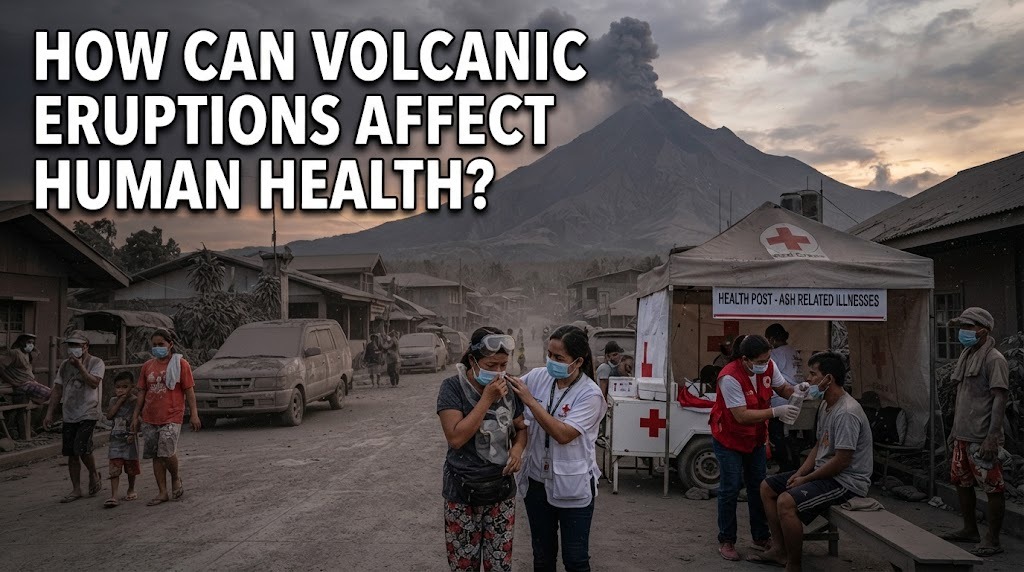
Volcanic eruptions can affect human health through ash, volcanic gases, lava, and other dangerous materials. The health effects may happen during the eruption or continue after the volcanic activity decreases. People living near volcanoes can be exposed to polluted air, contaminated water, and unsafe environments. Understanding these risks can help people take appropriate steps to protect their health.
VOLCANIC ASH CAN AFFECT BREATHING
One of the main health risks of a volcanic eruption is exposure to volcanic ash. Fine ash particles can enter the nose, throat, and lungs when people breathe contaminated air. This may cause coughing, throat irritation, and breathing difficulties. People with existing respiratory conditions may be more sensitive to ash exposure.
The risk can increase when ash remains in the air or becomes airborne again during cleaning and strong winds. People should stay indoors when ashfall is heavy and follow official health advice. Using a suitable protective mask can help reduce the amount of ash that is inhaled. Keeping windows and doors closed can also reduce indoor exposure.
VOLCANIC GASES CAN BE HARMFUL
Volcanoes can release gases such as sulfur dioxide and carbon dioxide during eruptions. High concentrations of some volcanic gases can irritate the eyes and respiratory system. Certain gases can also be dangerous when they accumulate in poorly ventilated or low-lying areas. The level of risk depends on the type and concentration of the gas.
People should avoid areas where authorities warn about dangerous gas levels. Following evacuation instructions is important when volcanic gases create unsafe conditions. People should never enter restricted areas simply because they cannot see or smell a gas. Some dangerous gases may not always be detected reliably by human senses.
EYE AND SKIN IRRITATION CAN OCCUR
Volcanic ash can cause eye irritation because small particles may enter the eyes. People may experience redness, watering, or discomfort after exposure. Rubbing the eyes can make the irritation worse. Protective glasses or goggles can help prevent ash from directly contacting the eyes.
Ash can also irritate the skin, especially after prolonged contact. People should wash exposed skin with clean water and change clothes that are covered with ash. Good personal hygiene can help remove particles from the body. If symptoms are severe or continue, appropriate medical care should be sought.
WATER AND FOOD CAN BECOME CONTAMINATED
Volcanic ash and other materials can enter water supplies during an eruption. This may make water cloudy and affect its quality. Water stored in open containers can become contaminated by falling ash. Communities should follow local guidance about whether water is safe to use or needs treatment.
Food can also be affected if it is exposed to ash or contaminated water. People should keep food and drinking water covered during ashfall. Livestock may also need protection from contaminated food and water. Safe water and food are important for preventing additional health problems after an eruption.
INJURIES AND MENTAL STRESS MAY OCCUR
Volcanic eruptions can cause physical injuries from falling rocks, hot materials, debris, and damaged structures. People may also be injured during evacuation if roads or buildings are unsafe. Following evacuation routes and official instructions can reduce these risks. Emergency services may provide medical assistance to affected communities.
An eruption can also cause stress, fear, and emotional difficulties because people may lose homes, belongings, jobs, or their normal routines. Evacuation and displacement can be especially challenging for families. Support from relatives, communities, and appropriate professionals can help people cope with difficult situations. Recovery may take time even after the immediate physical dangers have passed.
CONCLUSION
Volcanic eruptions can affect human health through ash, volcanic gases, contaminated water, physical injuries, and stressful living conditions. The severity of these effects depends on the eruption, exposure level, distance from the volcano, and individual circumstances. Following official warnings, protecting against ash, and avoiding dangerous areas can reduce health risks. Proper preparation and access to health services can also help communities recover more safely.
Tentang Penulis
Gusti Ayu Tita P
Penulis — Universitas STEKOM
Penulis aktif yang berfokus pada isu-isu akademik, teknologi pendidikan, dan pengembangan sumber daya manusia di lingkungan kampus.