How Can You Evacuate Safely During a Disaster?
Gusti Ayu Tita P
19 September 2026
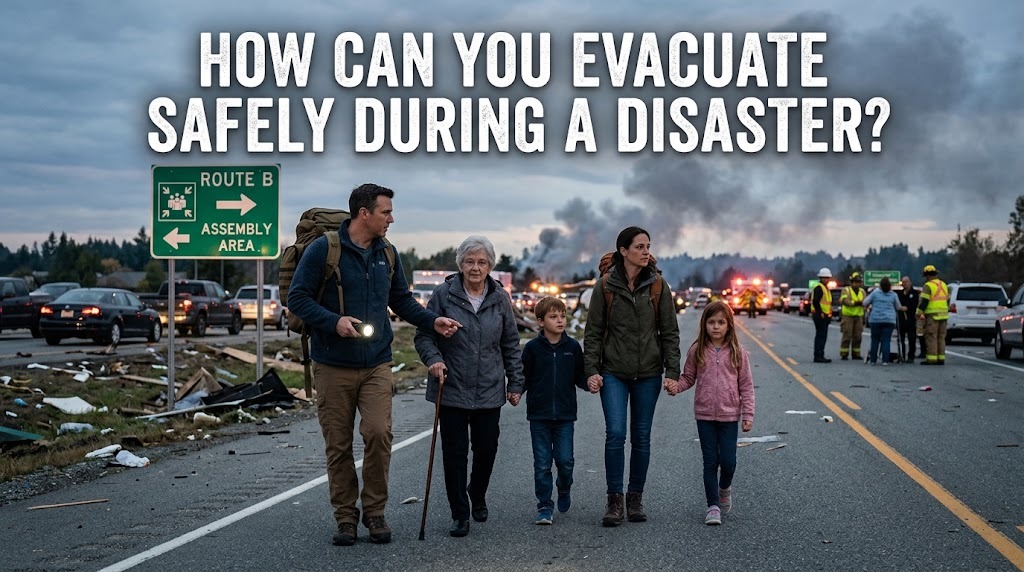
Disasters can happen suddenly and may create panic, confusion, and dangerous conditions. Knowing how to evacuate safely during a disaster can help people protect themselves and reach a safer location. A good evacuation process requires calm decisions, awareness of official instructions, and preparation before an emergency occurs. Whether the disaster is an earthquake, flood, fire, or landslide, people should understand the safest actions to take.
UNDERSTAND THE EVACUATION WARNING
The first step in a safe evacuation is to pay attention to official warnings and instructions. Emergency information may come from local authorities, warning systems, radio, television, or trusted emergency communication channels. When an evacuation order is given, people should not ignore it or wait until the situation becomes more dangerous.
It is also important to understand the type of disaster and the recommended direction of evacuation. Do not follow rumors or unverified information because it can lead people toward unsafe areas. Listen carefully to instructions from emergency personnel and follow clearly marked evacuation signs whenever possible.
STAY CALM AND ACT QUICKLY
Panic can make it difficult to think clearly during an emergency. Try to stay calm, breathe normally, and focus on the next safe action. Move quickly when evacuation is necessary, but avoid pushing, running blindly, or creating crowds that could cause injuries.
Before leaving, check whether family members, friends, or people nearby need assistance. Take essential emergency supplies if they are immediately available, but do not waste valuable time collecting unnecessary belongings. Your safety should always come before protecting property.
FOLLOW A SAFE EVACUATION ROUTE
Use designated evacuation routes whenever they are available. These routes are planned to help people move away from dangerous areas and reach safer locations. Follow signs, instructions from emergency workers, and official directions instead of choosing an unfamiliar shortcut.
Avoid areas that may become dangerous because of floodwater, falling objects, damaged buildings, smoke, fire, or unstable ground. Roads can change quickly during disasters, so be prepared to follow an alternative route if the original path is blocked. Never assume that a familiar road is safe simply because you normally use it.
BRING ESSENTIAL EMERGENCY SUPPLIES
If there is enough time to prepare, bring an emergency kit containing important items such as drinking water, basic food, a flashlight, a first aid kit, necessary medicines, important documents, and a phone with a power bank. The exact contents can depend on the disaster, location, and needs of each family member.
Keep emergency supplies somewhere that is easy to access before a disaster happens. A lightweight bag can make evacuation easier because carrying too many items may slow movement. If authorities instruct residents to leave immediately, follow the evacuation order rather than spending too much time gathering belongings.
HELP VULNERABLE PEOPLE SAFELY
Children, elderly people, people with disabilities, and anyone who needs additional assistance may require extra support during evacuation. Stay together whenever possible and make sure everyone knows where the group is going. Adults should give children simple and clear instructions so they understand what to do without becoming more frightened.
If someone needs assistance moving, help them according to their abilities and the situation. Do not put yourself or another person in greater danger by attempting an unsafe rescue. Emergency responders should be contacted when professional assistance is needed, especially in areas that are already dangerous.
REACH THE ASSEMBLY POINT AND STAY INFORMED
After leaving the danger zone, go to the designated evacuation or assembly point. Stay there until authorities provide further instructions. Avoid returning home simply because the situation appears quiet, because hazards may remain even after the immediate danger seems to have passed.
Once you reach a safe location, contact family members when possible and let them know that you are safe. Continue monitoring official emergency information for updates about the disaster and instructions for returning home. A safe evacuation does not end when you leave the building; it continues until authorities confirm that the area is safe.
CONCLUSION
Safe disaster evacuation requires preparation, calm behavior, quick action, and cooperation. People should follow official warnings, use safe evacuation routes, bring essential supplies, and help vulnerable family members when possible. Knowing the evacuation plan before a disaster occurs can reduce confusion and help everyone respond more effectively. Most importantly, protecting human life should always be the main priority during an evacuation.
Tentang Penulis
Gusti Ayu Tita P
Penulis — Universitas STEKOM
Penulis aktif yang berfokus pada isu-isu akademik, teknologi pendidikan, dan pengembangan sumber daya manusia di lingkungan kampus.