How Can You Evacuate Safely During a Landslide?
Gusti Ayu Tita P
19 September 2026
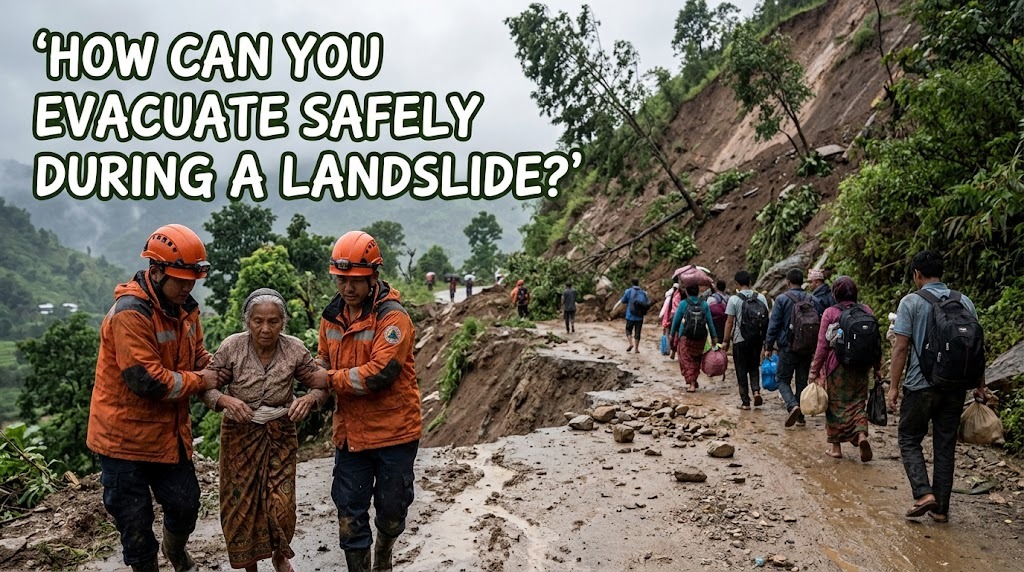
Landslides can happen when soil, rocks, and other materials move suddenly down a slope. They may occur after heavy rainfall, earthquakes, or changes to unstable slopes. A landslide can block roads, damage buildings, and create dangerous conditions for people living near hills or steep areas. Knowing how to evacuate safely is therefore an important part of disaster preparedness.
People in landslide-prone areas should understand local warnings and prepare an evacuation plan before an emergency occurs. Early preparation can help families leave dangerous areas before conditions become worse. During an evacuation, people should focus on moving away from the hazard and following official instructions rather than trying to protect property.
RECOGNIZE LANDSLIDE WARNING SIGNS
Knowing the possible warning signs of a landslide can help people respond before a major movement occurs. Signs may include new cracks in the ground, unusual changes in the landscape, leaning trees or utility poles, or changes in drainage around a slope. Unusual sounds such as cracking or rumbling may also indicate that the ground is becoming unstable.
These signs do not always mean that a landslide will definitely happen, but they should be taken seriously in areas at risk. People should report concerning changes to local authorities or emergency services when appropriate. If authorities issue an evacuation warning, residents should prepare to leave without unnecessary delay.
FOLLOW OFFICIAL EVACUATION WARNINGS
When a landslide warning or evacuation order is issued, people should follow instructions from local authorities. Emergency officials may have information about unstable slopes, blocked roads, rainfall conditions, or other hazards that are not immediately visible to residents. Official information should be prioritized over rumors or unverified social media posts.
Do not wait until a landslide is visibly moving before deciding to evacuate. Conditions can change rapidly, especially during periods of heavy rainfall. If authorities instruct residents to leave an area, take essential supplies and move toward the designated safe location as soon as it is safe to do so.
MOVE AWAY FROM THE LANDSLIDE AREA
During a landslide, the most important action is to move away from the affected slope and toward a safer location. People should avoid staying near the bottom of a steep slope, especially when there are signs of ground movement. If possible, follow a designated evacuation route provided by local authorities.
Do not approach a landslide to watch, take photographs, or check damaged property. Additional landslides can occur after the first movement, making the area unsafe even when it appears quiet. Keep a safe distance and follow instructions from emergency personnel.
AVOID BLOCKED OR DAMAGED ROADS
A landslide may cover roads with mud, rocks, trees, and other debris. A road that was previously familiar may no longer be safe to use. People should not attempt to cross a landslide area simply because they want to reach a destination quickly.
If the main evacuation route is blocked, use an alternative route recommended by authorities. Avoid driving or walking through unstable areas where additional soil or rocks could move. Emergency personnel may close certain roads to protect residents and allow rescue operations to take place safely.
PREPARE ESSENTIAL EMERGENCY SUPPLIES
People living in landslide-prone areas should prepare an emergency bag before a disaster occurs. It can contain drinking water, ready-to-eat food, a flashlight, first aid supplies, necessary medicines, important documents, and a charged communication device. Supplies should be stored somewhere that is easy to access.
The emergency bag should not be overloaded because people may need to walk during an evacuation. Families should also prepare supplies based on the needs of children, elderly people, people with disabilities, and pets. However, collecting belongings should never delay an urgent evacuation.
HELP FAMILY MEMBERS EVACUATE SAFELY
Every family should have a disaster evacuation plan that explains where to go and where to meet. Family members should know the safest routes and understand who will assist children or other people who may need additional support. Practicing the plan can make everyone more familiar with the process.
During an actual evacuation, stay together whenever possible and communicate with family members. If someone becomes separated, contact emergency personnel rather than returning alone to a dangerous area. Personal safety should always come before property or belongings.
STAY AWAY FROM THE AREA AFTER EVACUATION
After leaving a landslide-prone area, remain at the designated safe location until authorities provide further instructions. A slope can remain unstable after an initial landslide, and additional movement may occur. People should not return simply because the area appears quiet or the weather has improved.
If you need to return home later, wait for official confirmation that it is safe. Be cautious around damaged buildings, roads, bridges, and utility lines. Following official guidance can help reduce the risk of being exposed to secondary hazards after a landslide.
CONCLUSION
Safe landslide evacuation requires early preparation, awareness of warning signs, quick response to official warnings, and careful movement away from unstable areas. People should avoid landslide debris, damaged roads, steep slopes, and areas that may experience additional ground movement. Preparing emergency supplies and a family evacuation plan can make the process more organized. Most importantly, residents should follow local authorities and emergency personnel and should not return to the affected area until it is declared safe.
Tentang Penulis
Gusti Ayu Tita P
Penulis — Universitas STEKOM
Penulis aktif yang berfokus pada isu-isu akademik, teknologi pendidikan, dan pengembangan sumber daya manusia di lingkungan kampus.