How Does a Kaprogdi Support Students?
Gusti Ayu Tita P
19 September 2026
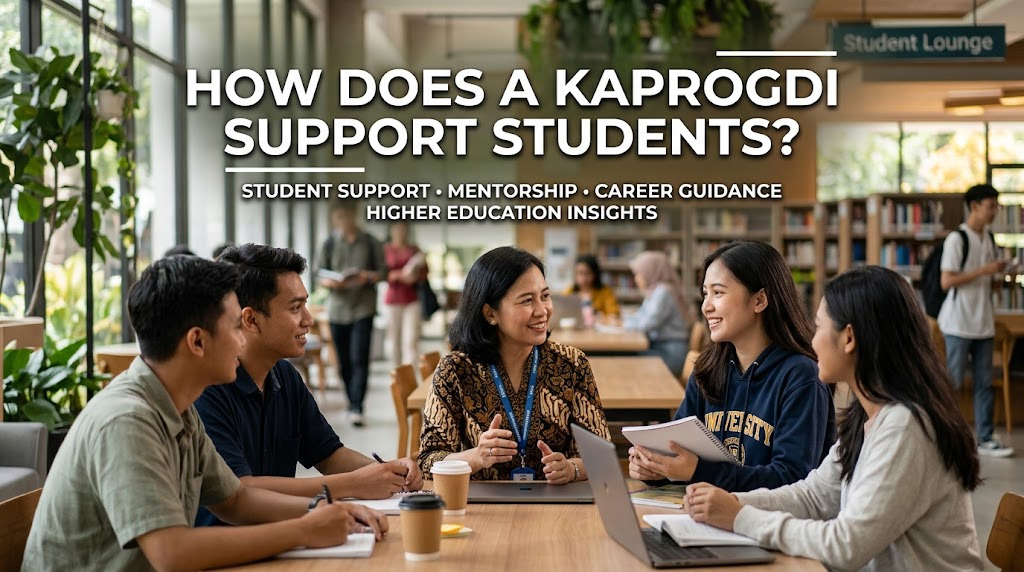
A Kaprogdi or Head of a Study Program has an important role in supporting students throughout their academic activities. Although the Kaprogdi does not handle every student matter directly, the position helps coordinate the study program so that academic activities can run in an organized manner. Through coordination with lecturers, faculty administrators, and other university units, the Kaprogdi can contribute to creating an academic environment that supports students.
The role of a Kaprogdi in supporting students can include ensuring that academic activities are properly organized, communicating important information, receiving student feedback, and supporting the development of student competencies. The specific form of support can vary depending on the university's organizational structure and the authority given to the Kaprogdi.
ENSURING ACADEMIC ACTIVITIES RUN IN AN ORGANIZED WAY
One way a Kaprogdi supports students is by coordinating academic activities within the study program. Students depend on well-organized courses, schedules, lecturers, assessments, and other academic programs to complete their studies. The Kaprogdi can coordinate with lecturers and relevant university units to help ensure that these activities follow the plans and procedures established by the institution.
When academic issues arise, the Kaprogdi can help coordinate communication with the relevant parties. For example, issues involving course implementation or other study program activities may require discussion between students, lecturers, and administrators. Through appropriate coordination, the Kaprogdi can help ensure that academic concerns are directed to the parties responsible for handling them.
COMMUNICATING INFORMATION AND LISTENING TO STUDENT FEEDBACK
A Kaprogdi can also support students by helping communicate important information related to the study program. Information about academic activities, program policies, schedules, or other matters needs to reach students clearly. The Kaprogdi may coordinate with lecturers and university administrators to ensure that relevant information is communicated through the appropriate channels.
Student feedback can also provide useful information for study program management. Students may have suggestions, questions, or concerns about academic activities and their learning experience. The Kaprogdi can consider this feedback and, when necessary, communicate it with lecturers, faculty administrators, or other relevant parties for further consideration.
SUPPORTING STUDENT DEVELOPMENT AND COMPETENCIES
The role of a Kaprogdi can extend beyond routine academic administration. A study program may organize activities designed to support student development, such as academic programs, seminars, workshops, competitions, research activities, or other opportunities related to the students' field of study. The Kaprogdi can help coordinate these activities according to the program's plans and available resources.
Such activities can give students opportunities to develop knowledge and skills that complement classroom learning. The exact programs available depend on each study program and university. By supporting relevant academic and development activities, the Kaprogdi can contribute to students' broader learning experience.
HELPING EVALUATE AND IMPROVE THE STUDENT ACADEMIC EXPERIENCE
A Kaprogdi can use feedback and evaluation results to identify areas of the student academic experience that may need improvement. Information may come from students, lecturers, academic evaluations, or other program activities. Reviewing this information can help the study program understand whether its academic services and activities are meeting their intended objectives.
When improvements are needed, the Kaprogdi can coordinate with the appropriate parties to discuss possible follow-up. This may involve improvements to academic activities, communication, learning support, or other areas within the authority of the study program. Through continuous evaluation, the Kaprogdi can contribute to a more organized and responsive academic environment for students.
CONCLUSION
A Kaprogdi supports students by helping coordinate academic activities, communicating important information, listening to student feedback, supporting development opportunities, and contributing to improvements in the academic experience. These responsibilities connect student needs with the management of the study program.
The exact form of student support can vary between universities because each institution has different structures and regulations. However, through effective coordination with students, lecturers, and university units, a Kaprogdi can help create academic management that responds to the needs of the study program and its students.
Tentang Penulis
Gusti Ayu Tita P
Penulis — Universitas STEKOM
Penulis aktif yang berfokus pada isu-isu akademik, teknologi pendidikan, dan pengembangan sumber daya manusia di lingkungan kampus.