How Does Psychological Trauma Affect Social Relationships?
Gusti Ayu Tita P
21 September 2026
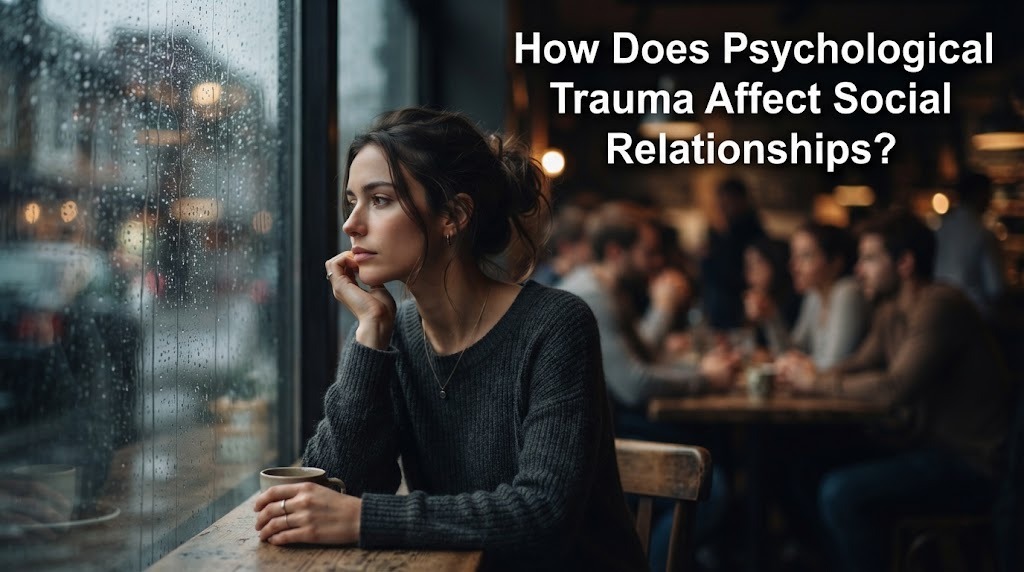
Psychological trauma can affect many parts of a person’s life, including how they communicate and build relationships with others. After experiencing a frightening, painful, or deeply stressful event, someone may find it harder to trust people or feel comfortable in social situations. These changes can happen because trauma may influence emotions, thoughts, behavior, and a person’s sense of safety. The effects can be different for each person and may depend on the type and severity of the experience. Understanding these effects can help people respond with greater patience and find appropriate support.
TRAUMA CAN MAKE IT HARDER TO TRUST OTHERS
One of the common ways psychological trauma can affect social relationships is by making trust more difficult. A person who has experienced betrayal, abuse, violence, or another harmful event may become more cautious around other people. They may worry that someone will hurt, reject, or disappoint them again. As a result, they may avoid sharing personal information or showing their emotions. This behavior can sometimes be mistaken for being distant or unfriendly when it may actually be a way of protecting themselves.
Building trust again usually takes time and consistent experiences of safety. Supportive relationships can help a person gradually feel more comfortable with others. However, they should not be pressured to trust someone before they are ready. Respecting personal boundaries can be an important part of rebuilding healthy relationships.
TRAUMA MAY CAUSE SOCIAL WITHDRAWAL
Psychological trauma can also lead some people to withdraw from friends, family members, coworkers, or other social groups. Social situations may feel exhausting, uncomfortable, or unsafe after a traumatic experience. Some people may prefer to spend more time alone because being around others can trigger difficult emotions or memories. They may stop attending social activities or respond less often to messages. Over time, this withdrawal can reduce opportunities for meaningful social connection.
Social withdrawal does not always mean that a person does not care about others. In some cases, it may be connected to fear, emotional exhaustion, or difficulty explaining what they are experiencing. Gentle communication and supportive contact can help without making the person feel pressured. Small and comfortable social interactions may be easier than immediately returning to large groups.
TRAUMA CAN AFFECT COMMUNICATION
Trauma may change how a person communicates in everyday relationships. Someone may have difficulty expressing feelings, explaining their needs, or talking about painful experiences. They may become unusually quiet, easily irritated, or overly defensive during certain conversations. Some people may also have trouble concentrating, which can make communication more difficult. These reactions can create misunderstandings if others do not understand what may be happening.
Clear and patient communication can help reduce these difficulties. It can be useful to listen without forcing someone to discuss details of their trauma. Friends and family can also ask what kind of support is helpful instead of assuming what the person needs. Creating a calm environment can make communication feel safer and more manageable.
TRAUMA MAY CREATE FEAR OF REJECTION OR CONFLICT
After trauma, some people may become especially sensitive to signs of rejection, criticism, or conflict. A small disagreement may feel more threatening than it would have before the traumatic experience. This can cause someone to avoid difficult conversations or become highly alert to changes in another person’s behavior. They may worry that a relationship will suddenly end or that a conflict will lead to harm. Such reactions can make healthy communication and problem solving more challenging.
These fears can affect both personal and professional relationships. For example, a person may avoid setting boundaries because they are afraid of upsetting someone. Others may react strongly to situations that remind them of previous experiences. Recognizing these patterns can be an important step toward developing healthier ways to manage relationships.
TRAUMA CAN AFFECT EMOTIONAL CONNECTION
Psychological trauma may also make emotional closeness more difficult. Some people may feel emotionally numb or disconnected from others after a traumatic experience. They may want companionship but struggle to show affection, vulnerability, or emotional openness. Others may become highly dependent on reassurance because they are afraid of losing important relationships. These different reactions can sometimes create confusion between people who care about each other.
Healthy relationships can still develop when both sides understand that emotional recovery may take time. A supportive person can provide consistency without trying to force emotional closeness. At the same time, someone experiencing trauma can gradually learn to recognize and communicate their feelings. Professional support may also help when these difficulties continue to interfere with daily relationships.
HOW CAN TRAUMA AFFECT FAMILY AND FRIENDSHIPS?
Trauma can influence family and friendships in different ways. Changes in mood, communication, trust, or social behavior may cause tension between people who do not understand the reason behind them. Family members may also feel worried or unsure about how to provide support. Friends may notice that someone behaves differently or no longer participates in activities they previously enjoyed. Without open communication, these changes can sometimes lead to distance or misunderstanding.
Supportive relationships can play an important role during recovery. Listening, respecting boundaries, avoiding judgment, and maintaining appropriate contact can help create a sense of safety. However, friends and family members do not have to manage trauma alone. When symptoms are persistent or significantly affect relationships and daily life, professional mental health support can be helpful.
HOW CAN SOMEONE REBUILD HEALTHY SOCIAL RELATIONSHIPS?
Rebuilding social relationships after trauma often starts with small and manageable steps. A person can begin by staying connected with someone they trust and choosing social situations that feel relatively safe. Setting clear boundaries can also help them feel more in control of their interactions. It may be useful to communicate honestly about needing time, space, or a different kind of support. There is no single timeline for rebuilding trust and social confidence.
Professional support can also help people understand trauma-related reactions and develop healthier coping strategies. Therapy may provide a safe environment to work through difficult emotions and relationship patterns. Recovery does not necessarily mean forgetting what happened, but learning ways to live safely and meaningfully after the experience. With appropriate support, many people can gradually rebuild trust, communication, and meaningful connections.
CONCLUSION
Psychological trauma can affect social relationships by changing trust, communication, emotional connection, and comfort in social situations. Some people may withdraw from others, while others may become more sensitive to rejection or conflict. These reactions do not mean that a person cannot have healthy relationships again. Patience, clear communication, boundaries, supportive people, and professional help can support the recovery process. Understanding the effects of trauma can help create more compassionate and healthy relationships.
Tentang Penulis
Gusti Ayu Tita P
Penulis — Universitas STEKOM
Penulis aktif yang berfokus pada isu-isu akademik, teknologi pendidikan, dan pengembangan sumber daya manusia di lingkungan kampus.