
Is a Hedonistic Lifestyle Always Bad? Understanding the Difference Between Enjoying Life and Overspending
Gusti Ayu Tita P
8 September 2026
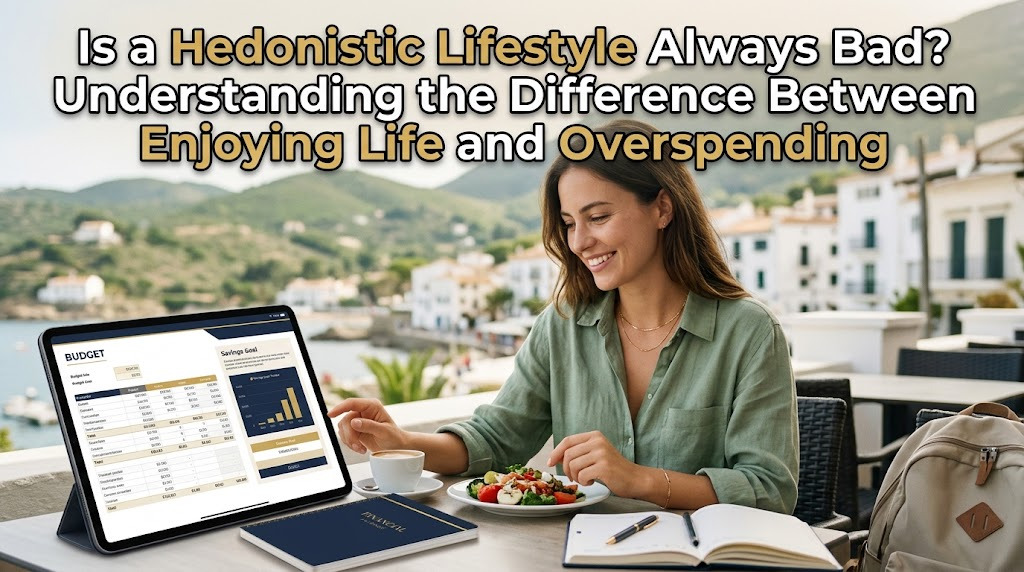
A hedonistic lifestyle is often associated with shopping, entertainment, travel, expensive food, and other activities that provide pleasure. Because of this, hedonism is sometimes viewed as a negative way of living. However, enjoying life and spending money on things that bring happiness are not necessarily harmful when they are managed responsibly.
The real problem begins when the pursuit of pleasure becomes excessive and interferes with financial responsibilities, personal goals, or future plans. Understanding the difference between enjoying life and overspending can help people maintain a healthier relationship with money while still making room for happiness and relaxation.
UNDERSTANDING THE MEANING OF A HEDONISTIC LIFESTYLE
A hedonistic lifestyle generally emphasizes pleasure, comfort, enjoyment, and immediate satisfaction. People may express it through hobbies, entertainment, dining out, traveling, shopping, or other enjoyable experiences. These activities are normal parts of life and can provide opportunities to relax and recharge. Therefore, simply enjoying pleasant experiences does not automatically mean that someone has unhealthy financial habits.
The concern appears when pleasure becomes the main factor behind almost every financial decision. A person may repeatedly choose entertainment or shopping even when important expenses and financial goals have not been addressed. In this situation, short-term satisfaction can begin to replace long-term thinking. The impact depends not only on what someone enjoys but also on how often they spend, how much they spend, and whether they can afford it.
WHEN ENJOYING LIFE BECOMES HEALTHY
Enjoying life can be healthy when it fits within a person's financial capacity and personal priorities. Spending money on a vacation after saving for it, for example, can provide meaningful enjoyment without creating financial problems. The same applies to eating at a favorite restaurant, purchasing a hobby-related item, or attending an entertainment event when the expense has already been planned. Planned enjoyment can be part of responsible financial management.
A healthy approach also allows people to enjoy their income without feeling guilty about every non-essential purchase. Money is not only needed for bills and savings but can also be used for recreation and experiences. The important point is maintaining balance between present enjoyment and future security. When spending remains controlled, pleasure can become a positive part of everyday life rather than a source of financial stress.
THE DIFFERENCE BETWEEN ENJOYMENT AND OVERSPENDING
The biggest difference between enjoying life and overspending is whether consumption remains within reasonable limits. Overspending happens when someone consistently spends more than they can comfortably afford or uses money intended for important priorities. For example, purchasing expensive products while struggling to pay essential bills is a warning sign. Repeatedly using debt for non-essential consumption can also indicate that enjoyment has gone beyond healthy boundaries.
Another important factor is the reason behind the purchase. Buying something because it genuinely provides value is different from purchasing it because of FOMO, social pressure, or the desire to impress others. If someone frequently regrets purchases but continues repeating the same behavior, the habit deserves attention. Understanding needs and wants can help people determine whether a purchase supports their priorities or simply provides temporary satisfaction.
THE FINANCIAL RISKS OF EXCESSIVE HEDONISM
When a hedonistic lifestyle becomes excessive, it can gradually affect financial stability. Frequent impulsive spending may reduce the amount of money available for savings and emergency funds. Small purchases can become significant when they happen repeatedly throughout the month. Without careful monitoring, lifestyle expenses may consume a large portion of income.
Excessive consumption can also make long-term financial goals harder to achieve. Money that could have been used for education, investments, a home, retirement, or other important plans may instead be spent on short-term pleasure. In some cases, people may rely on credit to maintain their lifestyle, creating additional repayment pressure. This is why financial planning is important even for people who want to enjoy life.
THE ROLE OF SELF-CONTROL AND FINANCIAL AWARENESS
Self-control does not mean completely avoiding pleasure or refusing to spend money. Instead, it means understanding personal limits and making spending decisions consciously. Creating a realistic budget can help people determine how much money is available for entertainment and lifestyle expenses. Financial awareness also makes it easier to recognize patterns that could become problematic.
People can develop healthier habits by tracking expenses and reviewing their financial situation regularly. Before making an unnecessary purchase, they can ask whether they need the item, whether they can afford it, and whether it contributes meaningful value to their life. Waiting before making expensive purchases can also reduce impulsive buying. These simple habits can make enjoyment more intentional without eliminating it.
CREATING A BALANCED LIFESTYLE
A balanced lifestyle does not require choosing between enjoying life and being financially responsible. People can allocate part of their income toward entertainment while maintaining savings, paying essential expenses, and working toward future goals. Setting a specific lifestyle spending budget can provide freedom while preventing unnecessary expenses from becoming uncontrolled.
It is also helpful to remember that happiness does not always require spending money. Spending time with family and friends, exercising, learning new skills, enjoying nature, or pursuing creative activities can provide satisfaction without significant financial costs. By combining meaningful experiences with responsible spending, people can avoid allowing consumerism to define their happiness. The goal is to make money support a fulfilling life rather than allowing spending habits to control it.
KESIMPULAN
A hedonistic lifestyle is not always bad because enjoying food, travel, entertainment, hobbies, and other experiences can be a normal part of a fulfilling life. The main concern is whether these activities lead to overspending, financial pressure, or neglect of important responsibilities. Healthy enjoyment involves planning, self-control, and an understanding of personal financial limits. By separating needs and wants, controlling impulsive purchases, and maintaining proper financial planning, people can enjoy the present while preparing for the future. Ultimately, the healthiest approach is not to avoid pleasure but to find a balanced lifestyle where enjoyment and financial responsibility support each other.
Tentang Penulis
Gusti Ayu Tita P
Penulis — Universitas STEKOM
Penulis aktif yang berfokus pada isu-isu akademik, teknologi pendidikan, dan pengembangan sumber daya manusia di lingkungan kampus.



