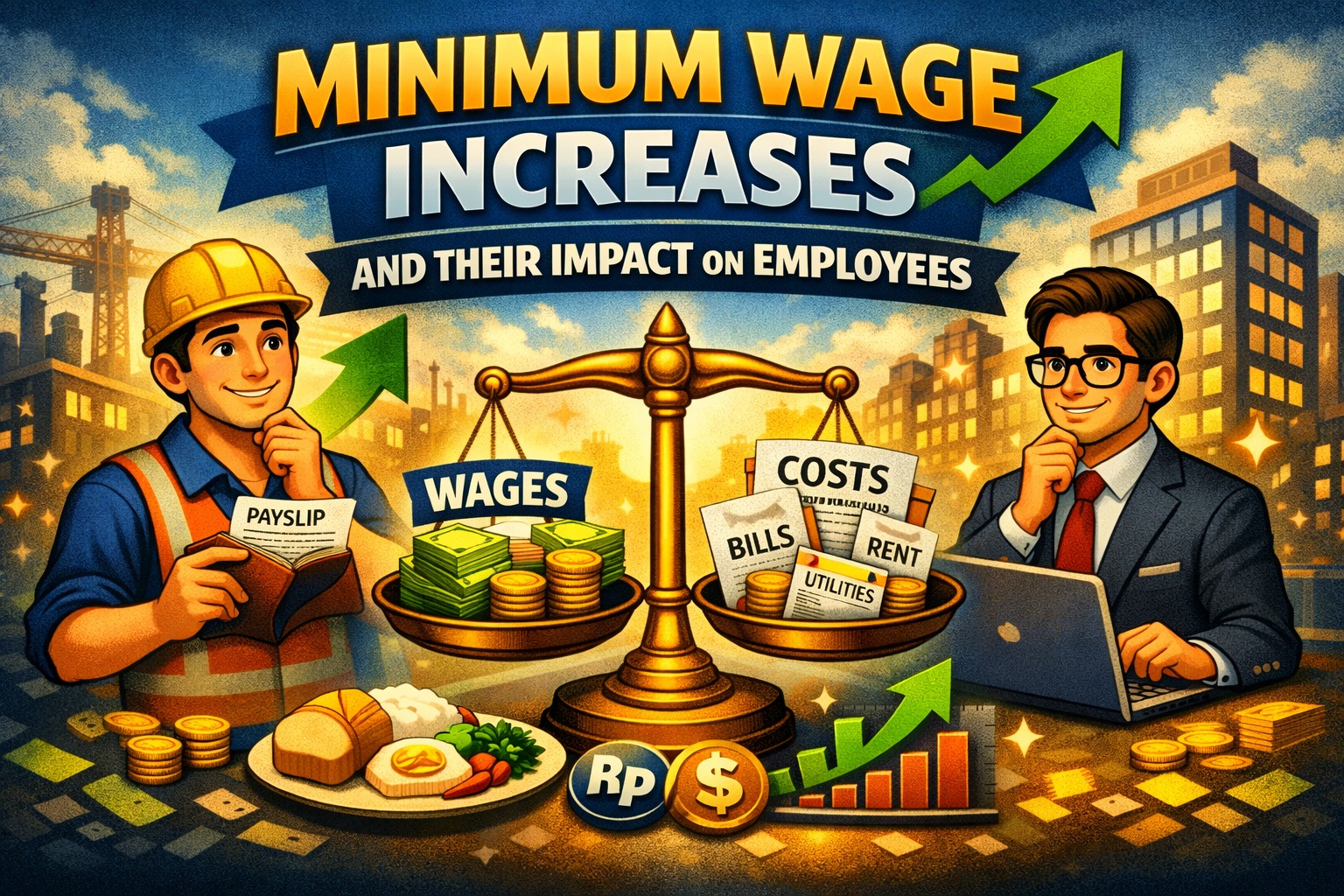
Minimum wage increases are one of the most discussed labor policies in many countries. Governments regularly adjust the minimum wage to help workers keep up with the rising cost of living and improve their overall quality of life. For employees, higher wages can provide greater financial security, while employers may face new challenges in managing operational costs. Understanding the effects of minimum wage increases helps both workers and businesses prepare for these changes.
UNDERSTANDING MINIMUM WAGE INCREASES
A minimum wage increase refers to an official adjustment that raises the lowest legal salary employers can pay eligible workers. Governments usually determine these increases by considering several factors, including inflation, economic growth, labor market conditions, and the cost of living. The primary objective is to ensure workers earn enough income to meet their basic needs.
Although the amount of the increase varies between countries and regions, the underlying goal remains similar: promoting fair compensation and reducing income inequality. Regular wage adjustments can also strengthen workers' purchasing power while supporting long-term economic stability when implemented carefully.
BENEFITS FOR EMPLOYEES
One of the biggest advantages of a minimum wage increase is the improvement in employees' financial well-being. Higher wages allow workers to better afford essential expenses such as food, housing, healthcare, education, and transportation. This financial relief often reduces stress and improves overall job satisfaction.
Employees with higher incomes may also experience greater motivation and productivity. When workers feel their efforts are rewarded fairly, they are more likely to remain loyal to their employers. In addition, increased earnings can help individuals save money for emergencies or future investments, creating better long-term financial security.
CHALLENGES FOR EMPLOYERS AND BUSINESSES
While employees often benefit from higher wages, employers may need to adjust their financial strategies. Increased labor costs can affect small businesses more significantly than large corporations. Some companies may need to review pricing strategies, improve operational efficiency, or invest in technology to maintain profitability.
However, paying employees fairly can also produce positive business outcomes. Companies with competitive wages often experience lower employee turnover, improved morale, and higher productivity. These benefits may reduce recruitment and training costs, helping businesses maintain a stable workforce over time.
ECONOMIC IMPACT OF HIGHER MINIMUM WAGES
The broader economy can also be influenced by minimum wage increases. Workers who receive higher incomes generally spend more on goods and services, increasing consumer spending. This additional demand can support local businesses and contribute to economic growth.
On the other hand, economists continue to debate whether significant wage increases may contribute to inflation or reduced hiring in some industries. The actual impact depends on many factors, including the size of the increase, the strength of the economy, and business adaptability. Balanced wage policies are therefore essential for achieving sustainable economic development.
HOW EMPLOYEES CAN PREPARE FOR WAGE INCREASES?
Employees should use wage increases wisely by improving their financial planning. Creating a monthly budget, paying down debt, and building an emergency fund can maximize the benefits of higher earnings. Responsible financial management helps ensure that additional income contributes to long-term stability rather than short-term spending.
Workers should also continue developing their skills through training and education. Improved qualifications increase career opportunities and may lead to salaries beyond the minimum wage. Combining higher wages with continuous professional development creates stronger financial prospects for the future.
CONCLUSION
A minimum wage increase can provide meaningful benefits for employees by improving financial security, increasing purchasing power, and enhancing overall quality of life. Although employers may experience higher operating costs, fair wages can encourage employee loyalty, productivity, and long-term business success. The overall impact depends on balanced policies that consider both workers' needs and economic conditions. By understanding these effects and managing income responsibly, employees can make the most of every wage increase.
Tentang Penulis
Gusti Ayu Tita P
Penulis — Universitas STEKOM
Penulis aktif yang berfokus pada isu-isu akademik, teknologi pendidikan, dan pengembangan sumber daya manusia di lingkungan kampus.