Top Benefits of Tolerance for Young People Today
Gusti Ayu Tita P
19 September 2026
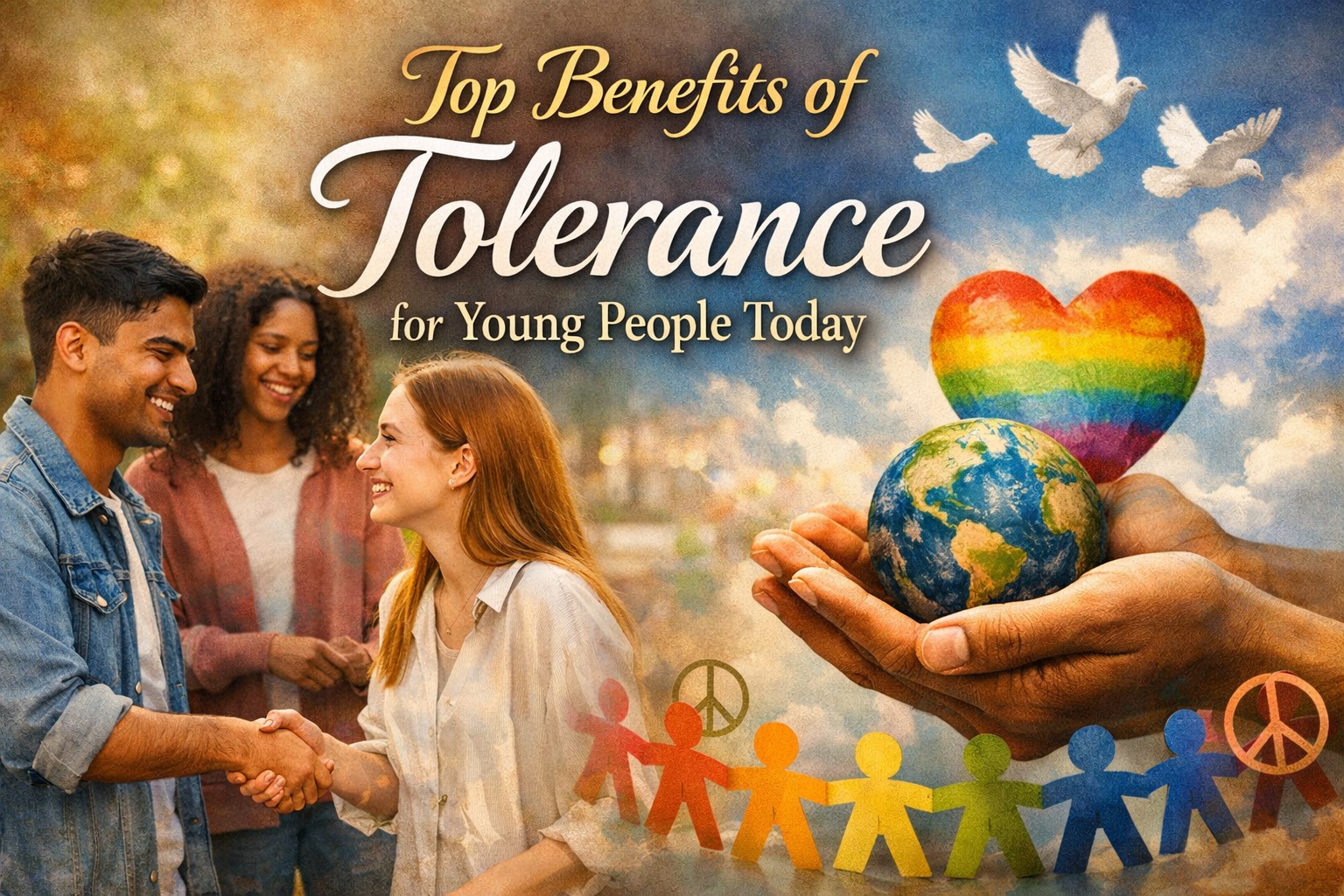
In today's interconnected world, tolerance has become one of the most valuable qualities young people can develop. People from different cultures, religions, opinions, and lifestyles interact every day through schools, workplaces, and social media. Learning to respect these differences creates stronger relationships and reduces unnecessary conflicts. More importantly, tolerance helps young people become responsible citizens who contribute positively to society.
WHY TOLERANCE MATTERS IN MODERN LIFE?
Tolerance means respecting and accepting differences without forcing others to share the same beliefs or perspectives. It does not require agreeing with every opinion but encourages treating others with fairness and kindness. In a world where communication happens instantly across countries, tolerance helps people cooperate despite their diverse backgrounds.
Young people who practice mutual respect are more likely to build healthy friendships, work effectively in teams, and adapt to multicultural environments. They also become better listeners because they value different viewpoints instead of rejecting them immediately. As a result, tolerance strengthens both personal growth and social harmony.
BUILDS STRONGER RELATIONSHIPS
One of the greatest benefits of tolerance is its ability to create strong relationships. Friends, classmates, and coworkers often have different personalities, traditions, and opinions. Accepting these differences makes communication more comfortable and reduces misunderstandings that could damage relationships.
Tolerance also encourages empathy, allowing young people to understand how others feel and think. Instead of reacting with anger or judgment, they learn to solve disagreements peacefully. These skills are valuable not only in personal life but also in future careers where teamwork is essential.
IMPROVES COMMUNICATION SKILLS
Effective communication depends on the ability to respect different perspectives. Tolerance helps young people speak politely, listen carefully, and express their ideas without offending others. These habits make conversations more productive and meaningful.
In schools and universities, students frequently participate in discussions with classmates who have different opinions. By practicing open-mindedness, they become more confident in sharing ideas while appreciating constructive feedback. This creates an environment where learning becomes more enjoyable and collaborative.
SUPPORTS PERSONAL GROWTH
Young people become stronger individuals when they are willing to learn from others. Tolerance opens the door to new experiences, cultures, and ways of thinking that broaden knowledge and improve decision-making. Exposure to diversity encourages creativity because different ideas often inspire innovative solutions.
Being tolerant also develops emotional intelligence. Young people become better at controlling emotions, managing disagreements, and responding calmly during difficult situations. These qualities contribute to personal maturity and long-term success.
REDUCES CONFLICT AND PROMOTES PEACE
Communities become safer when people respect one another despite their differences. Tolerance reduces prejudice, discrimination, and unnecessary arguments by encouraging understanding instead of hostility. It helps prevent small disagreements from becoming larger conflicts.
Young people who value peaceful coexistence often become positive role models in schools and communities. They promote cooperation, encourage respectful discussions, and inspire others to solve problems through dialogue rather than aggression. This creates healthier and more inclusive environments for everyone.
PREPARES YOUNG PEOPLE FOR FUTURE CAREERS
Today's workplaces are increasingly global and diverse. Employees often collaborate with colleagues from different countries, cultures, and professional backgrounds. Tolerance allows individuals to communicate effectively, respect workplace diversity, and contribute to successful teamwork.
Employers also appreciate candidates who demonstrate adaptability, respect, and collaboration. These qualities improve leadership potential and help employees build productive professional relationships. As industries continue to evolve, tolerance remains a valuable skill that supports career development and lifelong success.
HOW TO DEVELOP TOLERANCE EVERY DAY?
Building tolerance begins with simple daily actions. Young people can practice active listening, avoid making unfair assumptions, and remain respectful even during disagreements. Reading about different cultures, joining community activities, and interacting with diverse groups also broaden perspectives.
Another effective habit is practicing kindness in both online and offline interactions. Social media should be used responsibly by avoiding hateful comments and promoting respectful conversations. Small positive actions repeated consistently help create a more tolerant mindset and inspire others to do the same.
CONCLUSION
Tolerance is far more than simply accepting differences—it is a foundation for strong relationships, effective communication, personal growth, and peaceful communities. Young people who develop tolerance become more empathetic, confident, and prepared for future challenges in education, work, and society. By embracing diversity with respect and understanding, they can help create a more inclusive and harmonious world for everyone.
Tentang Penulis
Gusti Ayu Tita P
Penulis — Universitas STEKOM
Penulis aktif yang berfokus pada isu-isu akademik, teknologi pendidikan, dan pengembangan sumber daya manusia di lingkungan kampus.