What Are The Economic Effects Of Volcanic Eruptions?
Gusti Ayu Tita P
19 September 2026
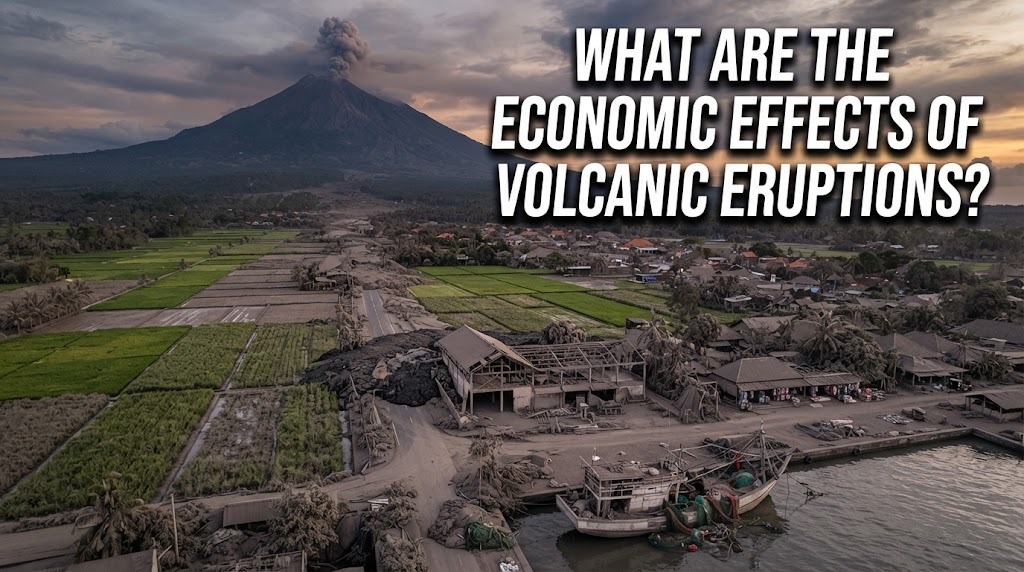
Volcanic eruptions can have significant economic effects on communities, businesses, and governments. An eruption may damage infrastructure, interrupt transportation, reduce tourism, and affect agriculture. These impacts can happen immediately and may continue during the recovery period. The level of economic damage depends on the size of the eruption, location, population, and local economic conditions.
DAMAGE TO INFRASTRUCTURE
One of the main economic effects of a volcanic eruption is damage to infrastructure. Ash, lava, rocks, and lahars can damage roads, bridges, buildings, power systems, and water facilities. Repairing or replacing this infrastructure can require large amounts of money. Businesses may also lose access to important transportation and public services.
Infrastructure damage can slow economic activity in affected areas. Transportation problems can make it harder to move workers, goods, and essential supplies. Local governments may need to redirect budgets toward emergency response and reconstruction. The recovery process can therefore place additional financial pressure on communities.
LOSSES IN AGRICULTURE
Agriculture can be strongly affected by volcanic activity. Ash and other volcanic materials may cover crops, damage farmland, and affect livestock. Farmers can lose harvests and income when their agricultural land is heavily affected. Water supplies used for farming may also require protection or treatment.
The economic impact can continue beyond the initial eruption. Farmers may need time to restore damaged fields and replace equipment or livestock. However, volcanic materials can eventually contribute minerals to soil and support fertile farmland in some areas after recovery. The timing and extent of these benefits depend on local environmental conditions.
IMPACT ON TOURISM
Volcanic eruptions can reduce tourism activity in affected regions. Dangerous conditions may lead to the closure of tourist attractions, hotels, restaurants, and other businesses. Visitors may cancel trips because of safety concerns or transportation disruptions. Businesses that depend on tourism can therefore experience reduced income.
Tourism can gradually recover when conditions become safe. In some cases, volcanic landscapes may later become attractions because of their unique geological features. However, safe tourism management is important to prevent visitors from entering hazardous areas. Local businesses may need support while tourism activity is disrupted.
DISRUPTION TO TRANSPORTATION AND TRADE
Volcanic ash can interfere with air transportation, especially when ash clouds enter flight paths. Airports may close temporarily, causing flight cancellations and delays. Roads can also become difficult to use because of ash, debris, or damaged infrastructure. These disruptions can affect the movement of people and goods.
Businesses that depend on regular deliveries may experience supply chain problems. Agricultural products, raw materials, and other goods may arrive late or become more expensive to transport. Companies may need alternative routes or suppliers during an emergency. The effects can sometimes extend beyond the area directly affected by the eruption.
COSTS OF EMERGENCY RESPONSE AND RECOVERY
Governments and communities may face high emergency response costs after an eruption. Money may be needed for evacuation, temporary shelters, medical services, cleanup, and emergency supplies. Damaged public facilities and infrastructure may also require extensive repairs. These expenses can place pressure on government budgets.
Long-term recovery may require additional financial resources. Businesses and households may need assistance to repair property and restore their activities. Insurance, government programs, community support, and other resources can contribute to recovery where available. The total cost depends on the scale of the disaster and the ability of the affected area to recover.
EFFECTS ON LOCAL EMPLOYMENT AND INCOME
Volcanic eruptions can affect employment and household income when businesses temporarily close or reduce their operations. Workers in agriculture, tourism, transportation, and other sectors may lose working hours or income. Some people may also need to relocate temporarily because their homes or workplaces are in dangerous areas. These changes can increase financial difficulties for affected families.
Economic recovery can create new activities as communities rebuild. Construction, infrastructure repair, cleanup, and other recovery efforts may generate temporary employment. Restoring local businesses is also important for bringing income back to communities. Recovery may take different amounts of time depending on the level of damage.
CONCLUSION
Volcanic eruptions can affect the economy through infrastructure damage, agricultural losses, reduced tourism, transportation disruptions, and recovery costs. They can also affect employment and household income in areas where businesses and essential activities are interrupted. The economic effects may continue long after the eruption itself has ended. Preparedness, effective emergency response, and long-term recovery planning can help communities reduce and manage these economic impacts.
Tentang Penulis
Gusti Ayu Tita P
Penulis — Universitas STEKOM
Penulis aktif yang berfokus pada isu-isu akademik, teknologi pendidikan, dan pengembangan sumber daya manusia di lingkungan kampus.