What Are The Effects Of Volcanic Eruptions On Communities?
Gusti Ayu Tita P
19 September 2026
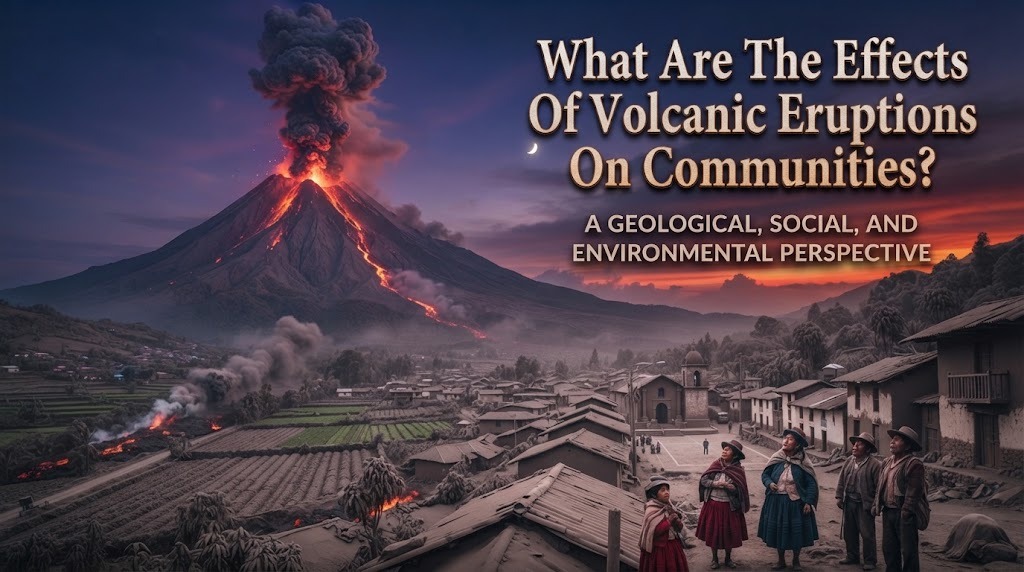
Volcanic eruptions can have major effects on communities living near volcanoes. An eruption can release ash, lava, volcanic gases, and rocks that may damage homes, roads, farms, and public facilities. People may also need to leave their homes temporarily or permanently because of dangerous conditions. The effects can continue even after the eruption ends, especially when communities need time to recover.
DAMAGE TO HOMES AND PUBLIC FACILITIES
One of the most visible effects of a volcanic eruption is damage to houses and public facilities. Lava flows, falling rocks, ash, and other volcanic materials can damage buildings, roads, bridges, schools, and electricity networks. Heavy volcanic ash can also place additional weight on roofs and cause them to collapse. Infrastructure damage can make transportation and communication more difficult for communities.
Repairing damaged facilities can take time and require significant resources. People may need to stay in evacuation centers while their homes are being checked or repaired. Emergency services can also face difficulties when roads are blocked by volcanic materials. These conditions can slow down the recovery process.
HEALTH PROBLEMS FOR COMMUNITIES
Volcanic eruptions can affect people's health in several ways. Volcanic ash can irritate the eyes, skin, nose, and throat, especially when people breathe dusty air. Some volcanic gases can also be harmful when their concentrations become high. People with existing respiratory problems may be particularly affected by poor air quality.
Communities can reduce some health risks by following official safety instructions. Wearing a suitable protective mask, protecting the eyes, and staying indoors when ash is falling can help reduce exposure. Clean water and proper sanitation are also important after an eruption. Health services may become busier because of injuries, respiratory complaints, and other emergency needs.
DISRUPTION TO DAILY ACTIVITIES
A volcanic eruption can interrupt normal community activities. Schools may close, businesses may stop operating, and roads may become difficult or unsafe to use. Electricity, water supplies, and communication services can also be disrupted if infrastructure is damaged. These problems can make daily life more difficult for families.
Evacuation can create additional challenges because people may have to leave their homes quickly. Families may need to stay in temporary shelters and adjust to limited space and resources. Community cooperation becomes important during this period. People can help one another by sharing information, assisting vulnerable residents, and following evacuation instructions.
EFFECTS ON AGRICULTURE AND LOCAL INCOME
Many communities near volcanoes depend on agriculture for their income. Volcanic ash and other materials can cover crops, damage plants, contaminate water sources, and affect livestock. Farmers may lose part or all of their harvest after a serious eruption. This can reduce household income and create difficulties for local businesses that depend on farming.
However, the long-term effects on agricultural land can vary. Some volcanic materials contain minerals that can contribute to fertile soil after the environment recovers. Farmers may eventually benefit from improved soil conditions, although recovery can take time. Support, financial assistance, and proper land management can help communities rebuild their agricultural activities.
ECONOMIC AND SOCIAL IMPACTS
Volcanic eruptions can create economic losses for individuals, businesses, and local governments. Businesses may temporarily close, tourism can decline, and transportation problems can reduce the movement of goods and people. Families may also spend money on relocation, repairs, food, and other emergency needs. These costs can place pressure on the local economy.
The social impact can also be significant. Evacuation and displacement may separate families from their homes, jobs, schools, and communities. People can experience uncertainty while waiting for conditions to become safe. Strong cooperation between residents, local authorities, emergency teams, and community organizations can support the recovery process.
CONCLUSION
Volcanic eruptions can affect communities through damage to infrastructure, health problems, disrupted activities, agricultural losses, and economic difficulties. The impact depends on the eruption's size, location, population density, and level of community preparedness. Early warnings, evacuation plans, emergency supplies, and public cooperation can help reduce risks. With proper support and recovery efforts, communities can gradually rebuild their lives after an eruption.
Tentang Penulis
Gusti Ayu Tita P
Penulis — Universitas STEKOM
Penulis aktif yang berfokus pada isu-isu akademik, teknologi pendidikan, dan pengembangan sumber daya manusia di lingkungan kampus.