What Is the Difference Between Frustration and Stress?
Gusti Ayu Tita P
21 September 2026
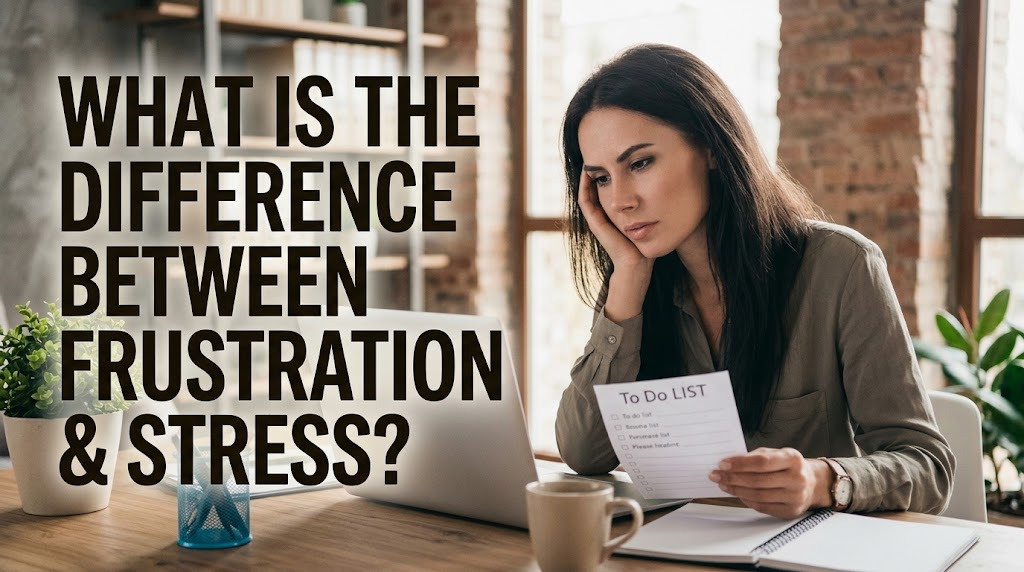
Frustration and stress are emotions or responses that can occur when someone faces difficult situations, pressure, or unexpected challenges. Although they may feel similar, the two experiences are not exactly the same. Frustration is often connected to obstacles or situations where a desired goal cannot be achieved, while stress is commonly associated with demands or pressure that feel difficult to manage.
Understanding the difference between frustration and stress can help someone recognize what they are experiencing. By identifying the source and characteristics of each response, a person can choose an appropriate way to manage emotions and deal with challenging situations.
UNDERSTANDING FRUSTRATION AND STRESS
Frustration generally occurs when a person encounters an obstacle that prevents a goal from being reached. It can arise when plans change unexpectedly, efforts do not produce the expected result, or another situation interferes with something someone wants to accomplish. The emotional response may include disappointment, irritation, impatience, or reduced motivation.
Stress, on the other hand, can develop when a person feels that the demands placed on them are difficult to manage. School assignments, work responsibilities, changes in daily routines, or multiple commitments can contribute to feelings of pressure. Stress may involve both emotional and physical responses, depending on the situation and the individual.
DIFFERENCES IN THEIR CAUSES
One important difference between frustration and stress is the situation that triggers them. Frustration is often related to a blocked goal or an unwanted outcome. For example, someone may feel frustrated when they have prepared carefully for something but encounter an unexpected obstacle that prevents the desired result.
Stress can come from having too many demands at the same time or feeling unable to keep up with responsibilities. A person may feel stressed when several deadlines approach at once or when there is uncertainty about how to handle a challenging situation. However, frustration and stress can also occur together when an obstacle creates additional pressure.
DIFFERENCES IN EMOTIONAL RESPONSES
Frustration may be more closely associated with feelings such as irritation, disappointment, impatience, or annoyance. These feelings often appear when someone believes that progress is being blocked. The intensity of the response can depend on how important the goal is and how long the obstacle continues.
Stress may involve feelings of being overwhelmed, worried, tense, or mentally pressured. Someone experiencing stress may find it difficult to relax or concentrate because their attention remains focused on multiple demands. Since frustration and stress can have overlapping signs, it is important to consider the situation and the main source of the emotional response.
HOW TO MANAGE FRUSTRATION AND STRESS?
Managing frustration can begin by identifying the obstacle and considering which parts of the situation can be changed. Taking a short break, adjusting expectations, and dividing a difficult task into smaller steps may help reduce emotional pressure. It can also be useful to consider alternative ways to reach a goal when the original approach is no longer effective.
For stress, managing responsibilities and creating realistic priorities can help reduce feelings of being overwhelmed. Regular rest, healthy routines, and talking with a trusted person can also support emotional management. If frustration and stress continue to interfere with everyday activities, seeking support from a trusted adult or qualified professional can be an appropriate step.
CONCLUSION
The difference between frustration and stress can be understood by looking at their common triggers and emotional responses. Frustration is often connected to blocked goals, disappointing results, or obstacles, while stress is more commonly associated with pressure and demands that feel difficult to manage. Despite these differences, both responses can occur at the same time.
Recognizing the source of an emotional response can make it easier to choose an appropriate coping strategy. Understanding frustration and stress can also help people respond to difficult situations with greater awareness instead of reacting automatically. With healthy emotional management and appropriate support, challenging experiences can become easier to handle.
Tentang Penulis
Gusti Ayu Tita P
Penulis — Universitas STEKOM
Penulis aktif yang berfokus pada isu-isu akademik, teknologi pendidikan, dan pengembangan sumber daya manusia di lingkungan kampus.