What Is the Link Between Hormonal Disorders and Menstruation?
Gusti Ayu Tita P
22 September 2026
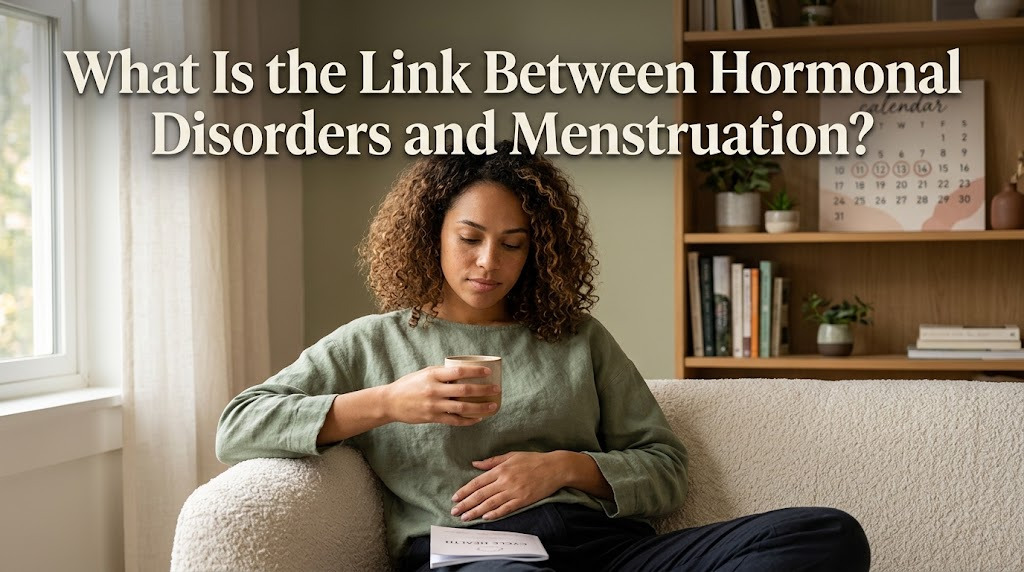
Hormones play an important role in menstruation because they help regulate the menstrual cycle and coordinate changes in the reproductive system. Hormones such as estrogen and progesterone work together with other reproductive hormones to support the different stages of the cycle.
When hormonal regulation changes, the menstrual cycle may also change. However, menstrual variations can have many possible causes and do not automatically indicate a hormonal disorder. Understanding the connection between hormones and menstruation can help explain why some changes in menstrual patterns may require further evaluation.
HORMONES HELP REGULATE THE MENSTRUAL CYCLE
The menstrual cycle is regulated by interactions between hormones produced by the brain, pituitary gland, and ovaries. These hormones help coordinate processes such as the development of ovarian follicles, ovulation, and changes in the uterine lining.
Estrogen and progesterone are among the key hormones involved in these processes. Their levels naturally change throughout the menstrual cycle. These fluctuations are part of normal reproductive function and should not automatically be considered signs of a hormonal disorder.
HORMONAL DISORDERS CAN AFFECT MENSTRUAL TIMING
Changes in hormone regulation can sometimes affect when menstruation occurs. A person may notice cycles that become less predictable or changes in the usual timing of their periods. The specific pattern can vary depending on which hormones are affected and what is causing the change.
However, irregular periods can also occur for reasons that are not related to a hormonal disorder. Stress, changes in routine, illness, nutritional factors, and normal developmental changes can influence menstrual patterns. A healthcare professional can help determine the possible cause when changes persist.
HORMONAL CHANGES CAN AFFECT MENSTRUAL PATTERNS
Hormonal changes may influence more than just the timing of menstruation. They can sometimes be associated with differences in menstrual flow, cycle length, or the regularity of periods. The effects depend on the underlying condition and the hormones involved.
Menstrual patterns can naturally vary, particularly during puberty and other stages of reproductive development. Because of this, one unusual cycle does not necessarily mean that a hormonal disorder is present. Looking at changes over time can provide more useful information during a medical evaluation.
WHEN MENSTRUAL CHANGES SHOULD BE CHECKED?
Persistent or unusual changes in the menstrual cycle may be worth discussing with a healthcare professional. This is especially relevant when changes continue, repeatedly occur, or are accompanied by other symptoms such as unusual fatigue, significant changes in weight, or other noticeable body changes.
A doctor may review menstrual history, general health, medications, and other relevant factors. Depending on the situation, physical examination or laboratory testing may also be considered. The goal is to identify the cause rather than assuming that every menstrual change is caused by a hormonal disorder.
CONCLUSION
The link between hormonal disorders and menstruation exists because reproductive hormones help regulate the menstrual cycle, including ovulation and changes in the uterine lining. Changes in hormone regulation can therefore be associated with changes in menstrual timing, cycle length, or regularity.
Not every menstrual change indicates a hormonal disorder. If unusual or persistent changes occur, professional evaluation can help determine whether they are related to hormones, normal development, or another health condition.
Tentang Penulis
Gusti Ayu Tita P
Penulis — Universitas STEKOM
Penulis aktif yang berfokus pada isu-isu akademik, teknologi pendidikan, dan pengembangan sumber daya manusia di lingkungan kampus.