What Is the Role of Communities in Disaster Evacuation?
Gusti Ayu Tita P
19 September 2026
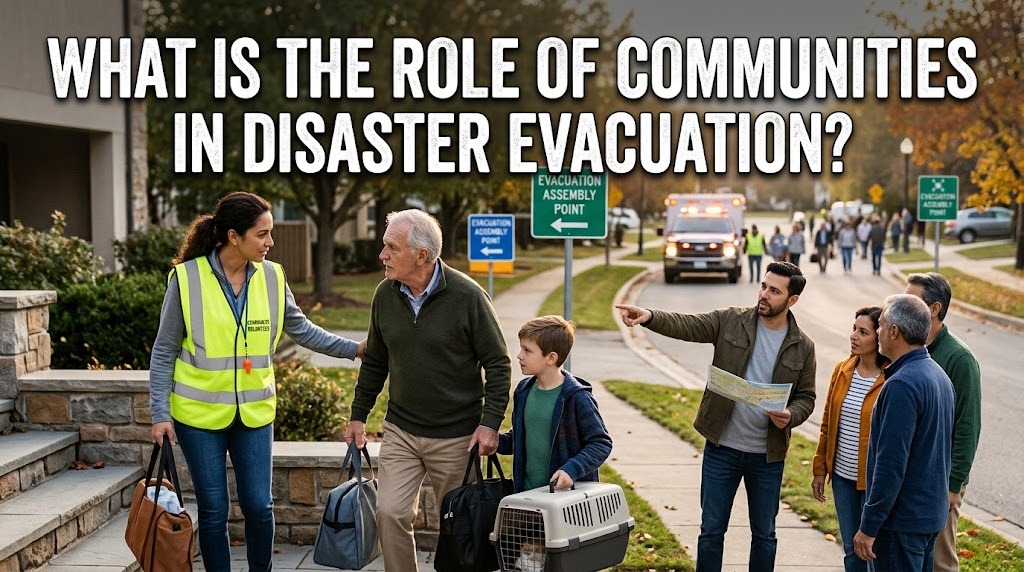
A community plays an important role in disaster evacuation because emergencies can affect many people at the same time. Families may need support from neighbors, local organizations, volunteers, and emergency personnel to move safely to designated locations. A well-prepared community can share information, assist people who need additional support, and help reduce confusion during an emergency. Community cooperation is especially important when roads, communication systems, or public services are affected by a disaster.
BUILD COMMUNITY DISASTER PREPAREDNESS
Communities should prepare for disasters before an emergency occurs. Residents can work together to identify local hazards, evacuation routes, shelters, and assembly points. Understanding these areas can help people know where to go when authorities issue an evacuation warning.
Community leaders and local organizations can also organize preparedness activities and evacuation drills. These activities give residents an opportunity to learn emergency procedures and identify problems with existing plans. Regular preparation can improve community readiness and help residents respond more effectively when a disaster occurs.
SHARE RELIABLE EMERGENCY INFORMATION
During a disaster, communities can help spread accurate emergency information to residents. Information may include evacuation orders, road closures, shelter locations, weather conditions, and instructions from local authorities. Sharing verified information can help people make safer decisions and avoid unnecessary confusion.
Residents should avoid spreading rumors or unverified information, especially through social media. Community leaders and volunteers can encourage people to rely on official emergency sources. Reliable communication is essential because inaccurate information may cause people to use unsafe routes or ignore important evacuation instructions.
HELP PEOPLE WHO NEED ADDITIONAL SUPPORT
Some residents may need extra assistance during an evacuation, including elderly people, children, people with disabilities, and people with limited mobility. Communities can identify support needs in advance while respecting people's privacy and independence. Local preparedness plans can consider how these residents can safely reach evacuation areas.
Neighbors may also check on people who live alone when it is safe to do so. However, residents should not enter dangerous areas or attempt rescues beyond their abilities. Professional emergency responders should handle situations that require specialized rescue skills, while community members can provide appropriate support without creating additional risks.
ORGANIZE EVACUATION AND ASSEMBLY AREAS
Communities can help ensure that evacuation routes and assembly points are clearly identified. Signs, maps, and local information can help residents understand where they should go during an emergency. Community facilities may also be used as temporary shelters when designated by local authorities.
During an evacuation, residents should follow instructions from emergency personnel and avoid blocking roads needed by emergency vehicles. Volunteers may assist with directing people when authorized to do so. An organized evacuation can reduce congestion and confusion and help emergency services reach affected areas more efficiently.
COOPERATE WITH EMERGENCY AUTHORITIES
Community members should cooperate with local authorities, emergency responders, health services, and other relevant organizations during a disaster. These groups may coordinate evacuation orders, transportation, shelter operations, medical assistance, and other emergency services. Residents can support these efforts by following instructions and providing accurate information when requested.
Community organizations can also help authorities identify local needs and communicate concerns from residents. However, volunteers should work within their training and assigned responsibilities. Good coordination between communities and emergency services can make disaster response more organized and reduce unnecessary risks.
SUPPORT RECOVERY AND IMPROVE FUTURE PLANS
The community's role does not end when people reach an evacuation center. Residents and local organizations can continue supporting safe recovery and preparedness after the immediate emergency has passed. Communities can review what happened, identify problems, and discuss improvements for future disasters.
Lessons from evacuation drills and real emergencies can be used to update routes, communication procedures, emergency supplies, and support systems. Residents can also continue learning about disaster preparedness through community activities. Continuous improvement helps communities become better prepared for future emergencies.
CONCLUSION
Communities have an important role in disaster evacuation, preparedness, communication, assistance, and coordination. Residents can work together to identify hazards, understand evacuation routes, share reliable information, and support people who need additional assistance. Cooperation with emergency authorities is also essential because trained responders manage many of the most dangerous parts of disaster response. By preparing before emergencies and improving plans afterward, communities can create a more organized and safer evacuation process.
Tentang Penulis
Gusti Ayu Tita P
Penulis — Universitas STEKOM
Penulis aktif yang berfokus pada isu-isu akademik, teknologi pendidikan, dan pengembangan sumber daya manusia di lingkungan kampus.