What Mistakes Do Students Make With Their Allowance?
Gusti Ayu Tita P
29 September 2026
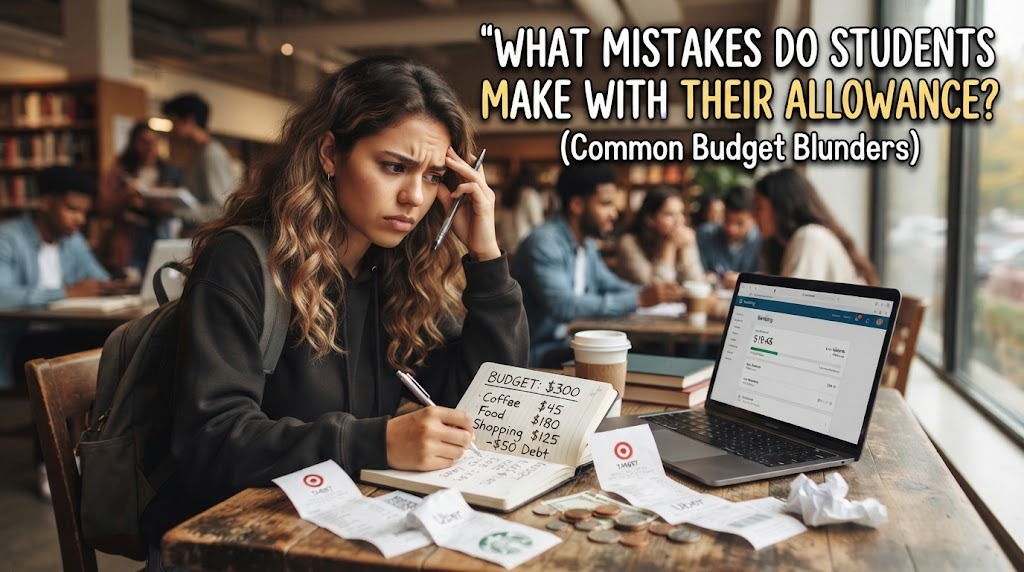
One common mistake students make with their allowance is spending money without creating a budget. Without a spending plan, students may use too much money on things that are not essential. They may also find it difficult to know how much money remains for food, transportation, or school needs. A simple budget can help students divide their allowance according to their priorities. Planning expenses before spending can make daily financial decisions more organized.
BUYING THINGS IMPULSIVELY
Impulsive spending is another common mistake among students. Attractive promotions, online discounts, popular products, and spontaneous food purchases can encourage students to spend money without thinking carefully. Individual purchases may seem inexpensive, but repeated spending can quickly reduce an allowance. Students can avoid this by waiting before buying nonessential items and asking whether the purchase is actually necessary. Developing this habit can help reduce unnecessary expenses.
IGNORING SMALL EXPENSES
Students sometimes focus only on large purchases and overlook small expenses. Snacks, drinks, transportation changes, online services, and other inexpensive purchases can accumulate over time. Because each expense appears small, students may not realize how much money they spend in total. Recording daily expenses can help reveal these hidden spending patterns. Once students understand where their money goes, they can decide which small expenses should be reduced.
SPENDING ALL THE ALLOWANCE
Using all available allowance without keeping any money for later can create financial difficulties. Students may suddenly need money for unexpected expenses, such as school activities, transportation, or additional learning materials. If there is nothing left, they may have to ask for extra money or postpone an important need. Setting aside a small amount as savings can provide greater flexibility. Even a modest reserve can be useful when unexpected costs appear.
FOLLOWING FRIENDS' SPENDING HABITS
Another mistake is spending money simply because friends are spending. Students may feel encouraged to eat at expensive places, buy similar products, or participate in activities that do not fit their personal budget. Social activities are important, but students should still consider their own financial situation. They can suggest affordable alternatives when an activity is too expensive. Making independent spending decisions can help students maintain control over their allowance.
NOT REVIEWING SPENDING HABITS
Some students continue using the same spending habits without checking whether they are effective. Failing to review expenses can make it difficult to recognize repeated unnecessary purchases or problems with budgeting. Students can review their spending at the end of each week or month and compare it with their original plan. This allows them to identify mistakes and make adjustments for the next period. Regular evaluation can gradually improve their money management skills.
CONCLUSION
Students can make several mistakes when managing their allowance, including spending without a budget, making impulsive purchases, and ignoring small expenses. Spending the entire allowance, following friends' spending habits, and failing to review expenses can also create financial problems. These mistakes can be reduced through simple habits such as budgeting, recording expenses, saving money, and thinking before purchasing. Learning from financial mistakes is part of developing better money management skills. With consistent practice, students can become more responsible and careful when using their allowance.
Tentang Penulis
Gusti Ayu Tita P
Penulis — Universitas STEKOM
Penulis aktif yang berfokus pada isu-isu akademik, teknologi pendidikan, dan pengembangan sumber daya manusia di lingkungan kampus.