What Should You Prepare Before a Disaster Evacuation?
Gusti Ayu Tita P
19 September 2026
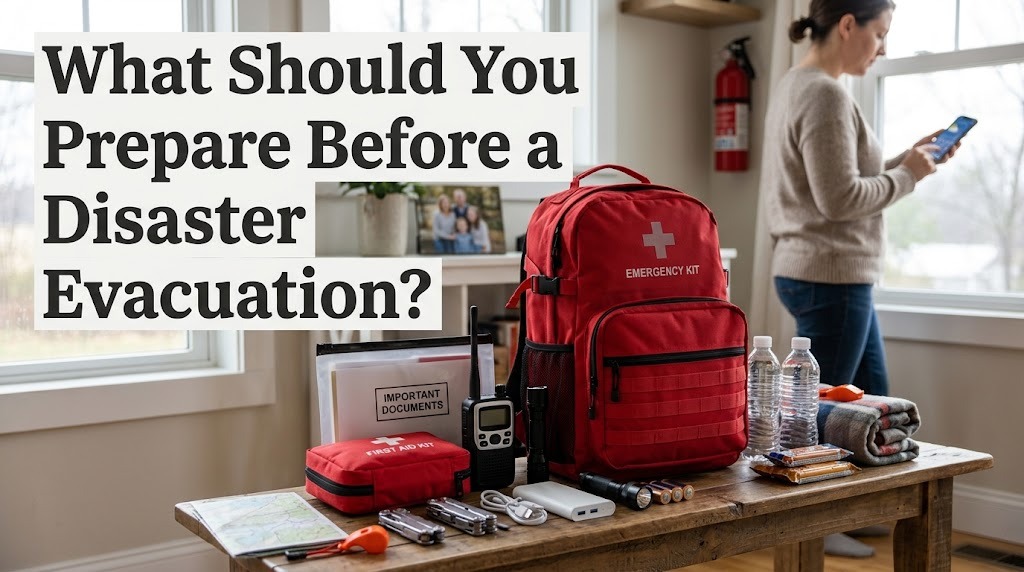
Disasters can happen unexpectedly, so preparation is important to protect yourself and your family. Before an evacuation becomes necessary, people should prepare essential supplies, identify safe routes, and understand emergency instructions. Good preparation can save valuable time when there is only a short opportunity to leave a dangerous area. A simple evacuation plan can also help everyone stay organized during an emergency.
PREPARE AN EMERGENCY BAG
One of the most important things to prepare is an emergency bag. It should contain essential items such as drinking water, ready-to-eat food, a flashlight, a first aid kit, necessary medicines, and basic hygiene supplies. The contents should match the needs of each family member and the type of disaster that may occur.
Important personal items should also be included when appropriate. These can include identification documents, emergency contact information, a phone charger or power bank, and essential medical information. Keep the bag in an easy-to-reach location so it can be taken quickly when evacuation is required.
PLAN SAFE EVACUATION ROUTES
Before a disaster happens, identify safe evacuation routes from your home, school, workplace, or other frequently visited locations. Learn where nearby evacuation centers and assembly points are located. It is also useful to identify an alternative route in case the main road becomes blocked or unsafe.
Evacuation routes should be checked regularly because roads, buildings, and local conditions can change. Follow information from local authorities and emergency services when an evacuation occurs. Never choose a route simply because it looks shorter if it leads toward a dangerous area.
PREPARE IMPORTANT CONTACT INFORMATION
Every family should have a list of important emergency contacts. This may include family members, local emergency services, schools, workplaces, and other trusted contacts. Writing the information down is useful because phones may lose power or network access during a disaster.
Families should also decide how they will communicate if they become separated. Choose a meeting point outside the immediate danger area where everyone can gather. Having this plan in advance can reduce confusion and make it easier to account for every family member.
KNOW THE EMERGENCY WARNINGS
People should understand the warning systems used in their local area. Emergency information may be delivered through sirens, official phone alerts, radio, television, websites, or other communication channels. Knowing what different warnings mean can help people respond quickly when an emergency develops.
It is important to rely on official information instead of rumors or unverified social media posts. Different disasters may require different actions, so people should follow the instructions given by emergency authorities. When an evacuation order is issued, do not delay leaving a dangerous area simply to collect unnecessary belongings.
CONSIDER THE NEEDS OF FAMILY MEMBERS
An evacuation plan should consider children, elderly people, people with disabilities, and anyone who needs special assistance. Prepare suitable supplies for each person's needs and decide who will help them during an evacuation. Pets should also be considered because they may need food, water, carriers, or other necessary items.
Families can practice their evacuation plan so everyone understands what to do. Children should receive simple and clear instructions that are easy to remember. Regular practice can help family members respond more calmly when an actual emergency occurs.
CHECK AND UPDATE YOUR PREPARATIONS
Emergency supplies should be checked regularly to make sure food, water, medicines, batteries, and other items are still usable. Replace expired products and update important documents or contact information when necessary. Equipment such as flashlights and power banks should also be checked to ensure they are ready for use.
An evacuation plan should be updated when family circumstances or local conditions change. New family members, changes in school or work locations, and changes to evacuation routes may require adjustments. Regular preparation helps ensure that an evacuation plan remains practical and useful.
CONCLUSION
Preparing for a disaster evacuation involves more than simply packing a bag. People should prepare emergency supplies, safe evacuation routes, important contact information, warning-system knowledge, and a family evacuation plan. Special needs should also be considered so that everyone can evacuate as safely as possible. Regularly checking and practicing these preparations can make the evacuation process more organized and effective.
Tentang Penulis
Gusti Ayu Tita P
Penulis — Universitas STEKOM
Penulis aktif yang berfokus pada isu-isu akademik, teknologi pendidikan, dan pengembangan sumber daya manusia di lingkungan kampus.