Why Is a Kaprogdi Important for a Study Program?
Gusti Ayu Tita P
19 September 2026
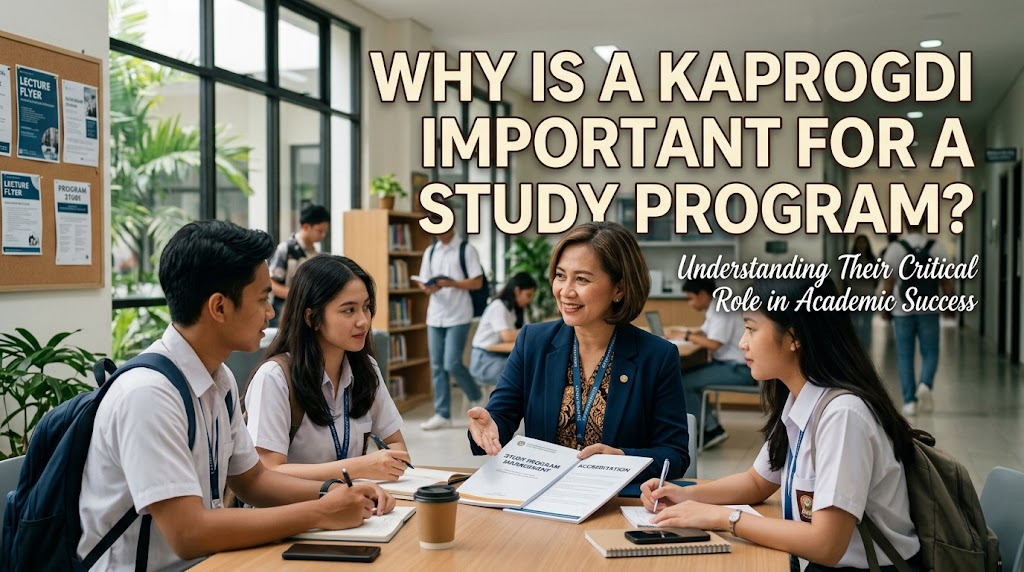
A Kaprogdi or Head of a Study Program plays an important role in coordinating the management of a study program in higher education. The position connects various academic activities involving lecturers, students, faculty administrators, and other university units. Without effective coordination, different academic activities may become more difficult to organize and evaluate.
The importance of a Kaprogdi for a study program can be seen in several areas, including academic management, communication, evaluation, and program development. The Kaprogdi helps ensure that activities are planned and implemented according to the objectives of the study program. However, the exact responsibilities and authority can vary depending on the organizational structure and regulations of each university.
HELPING MANAGE ACADEMIC ACTIVITIES
One reason a Kaprogdi is important is because the position helps coordinate various academic activities within the study program. These activities may include course implementation, academic schedules, learning programs, student activities, and other educational matters. Coordinating these activities helps ensure that different parties understand their roles and responsibilities.
The Kaprogdi can also communicate with lecturers and relevant university units when academic activities require further coordination. If an issue occurs during implementation, the Kaprogdi can help identify the matter and coordinate appropriate follow-up. This role supports a more organized academic process within the study program.
CONNECTING THE STUDY PROGRAM WITH THE FACULTY
A Kaprogdi can serve as an important communication link between the study program and the faculty. The study program may have specific academic needs, administrative matters, or development plans that need to be communicated to the faculty. The Kaprogdi can convey these matters through the organizational channels established by the university.
At the same time, the Kaprogdi may communicate information from the faculty to lecturers and students within the study program. Clear communication can help ensure that academic policies and institutional information are understood by the relevant parties. This makes the role of Kaprogdi important in maintaining coordination between different levels of university management.
SUPPORTING PROGRAM DEVELOPMENT AND QUALITY IMPROVEMENT
Another important function of a Kaprogdi is supporting the development of the study program. Development can involve reviewing academic activities, considering lecturer and student feedback, and identifying areas that may require improvement. Information from these processes can become a basis for planning future academic programs.
The Kaprogdi can also coordinate discussions about curriculum, learning activities, student programs, or other matters related to the development of the study program. The exact scope of this role depends on the authority given by the university. Nevertheless, continuous evaluation and improvement can help the program respond to academic needs and developments in its field.
HELPING ADDRESS ACADEMIC NEEDS AND ISSUES
A Kaprogdi can also be important when students or lecturers encounter academic issues. Students may have questions or concerns related to courses, academic activities, schedules, or other matters within the study program. The Kaprogdi can receive information about these issues and coordinate with the appropriate parties when further action is needed.
The position can also help identify recurring issues within the study program. Feedback from students and lecturers can provide information about areas that need attention. By coordinating appropriate follow-up, the Kaprogdi can contribute to maintaining organized academic management and improving the experience of people involved in the study program.
CONCLUSION
A Kaprogdi is important for a study program because the position supports academic coordination, communication, evaluation, and program development. The Kaprogdi can help organize activities, coordinate lecturers, communicate with the faculty, and respond to academic needs within the program.
The specific role and authority of a Kaprogdi may differ between universities. Even so, the position generally contributes to keeping the study program organized and supporting continuous improvement of academic activities.
Tentang Penulis
Gusti Ayu Tita P
Penulis — Universitas STEKOM
Penulis aktif yang berfokus pada isu-isu akademik, teknologi pendidikan, dan pengembangan sumber daya manusia di lingkungan kampus.