Why Slow Living Can Improve Your Daily Quality of Life?
Gusti Ayu Tita P
14 Oktober 2026
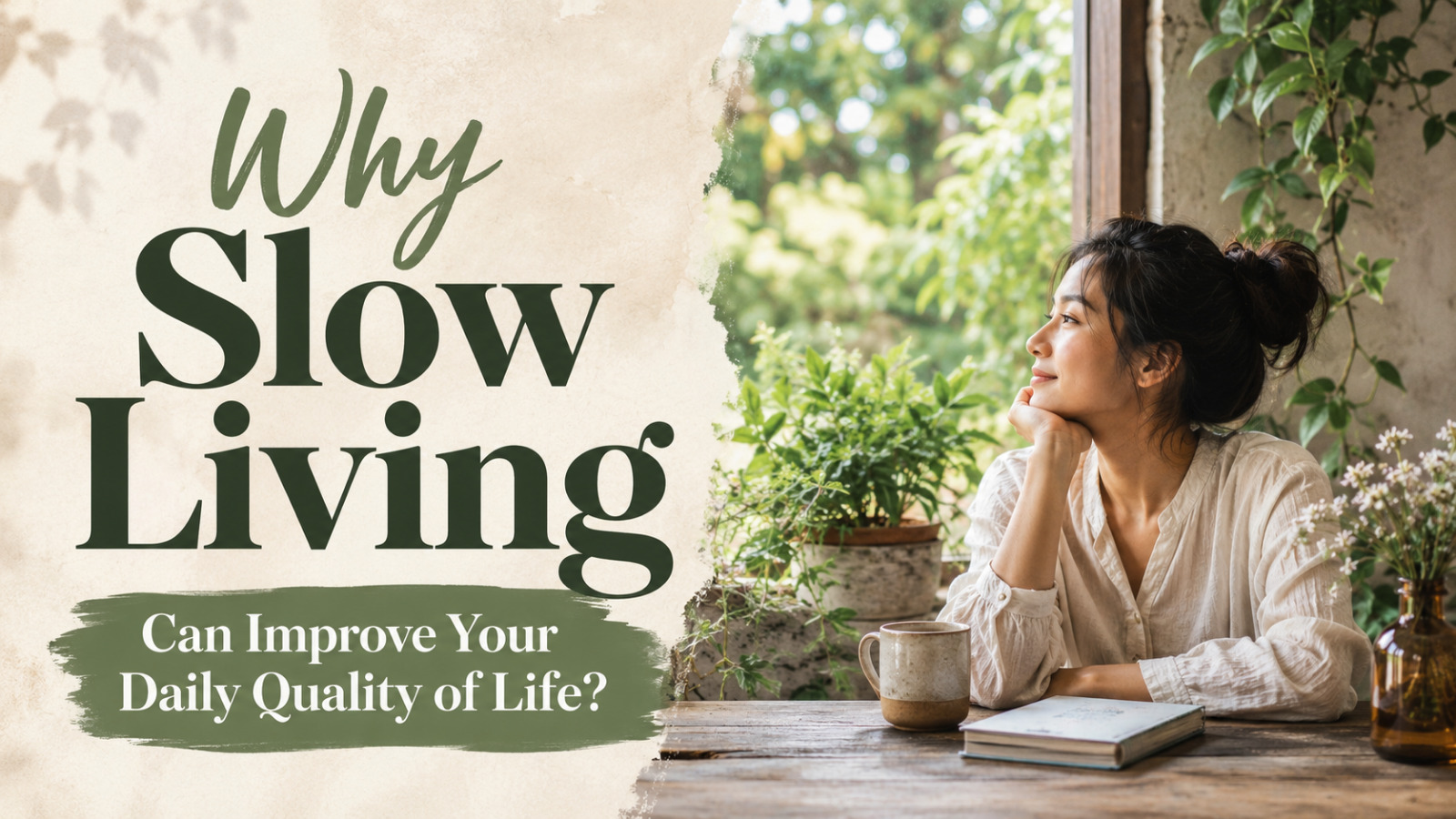
In today's fast-paced world, many people constantly rush to meet deadlines, handle responsibilities, and stay connected through technology. While being productive is important, living in a continuous state of busyness can lead to stress, fatigue, and burnout. This is why the concept of Slow Living has become increasingly popular among people seeking a healthier and more balanced lifestyle.
Slow Living is not about doing everything slowly. Instead, it encourages people to become more intentional, mindful, and focused on what truly matters. By embracing this lifestyle, individuals can improve their mental well-being, physical health, relationships, and overall quality of life. This article explores why Slow Living can positively transform your daily routine and help you enjoy a more meaningful life.
WHAT IS SLOW LIVING?
Slow Living is a lifestyle philosophy that encourages people to prioritize quality over quantity in every aspect of life. Rather than constantly chasing productivity, it promotes living with intention, balance, and awareness. This approach allows individuals to appreciate everyday moments while reducing unnecessary stress.
The concept encourages making thoughtful decisions instead of reacting impulsively. Whether spending time with family, enjoying a meal, or completing work, Slow Living emphasizes being fully present. As a result, people often experience greater satisfaction and emotional well-being.
WHY IS SLOW LIVING BECOMING MORE POPULAR?
Modern lifestyles often involve long working hours, digital distractions, and endless commitments. These conditions make many people feel overwhelmed and disconnected from themselves. Slow Living offers an alternative that supports healthier daily habits and better emotional balance.
Many individuals are realizing that constant busyness does not always lead to happiness or success. Instead, slowing down helps improve focus, reduce stress, and create space for meaningful experiences. This growing awareness has made Slow Living a global lifestyle trend.
BENEFITS OF SLOW LIVING FOR DAILY LIFE
One of the greatest benefits of Slow Living is its positive impact on Mental Health. Taking time to rest and reflect helps reduce anxiety while improving emotional stability. People who practice this lifestyle often feel calmer and more confident when facing daily challenges.
Another important benefit is better Work Balance. Instead of multitasking constantly, individuals learn to focus on one task at a time. This improves productivity, work quality, and overall job satisfaction while reducing mental exhaustion.
HOW TO PRACTICE SLOW LIVING EVERY DAY?
Building a Mindful Lifestyle begins with small, consistent habits. Start by creating realistic daily schedules that include time for rest, exercise, reading, or spending time with loved ones. Avoid filling every hour with activities, and allow yourself moments to recharge.
Limiting unnecessary screen time is another effective strategy. Instead of constantly checking social media or emails, dedicate specific times for digital activities. This simple habit can improve concentration and create a healthier relationship with technology.
THE CONNECTION BETWEEN SLOW LIVING AND MENTAL HEALTH
Practicing Slow Living supports emotional resilience by encouraging mindfulness and self-awareness. Rather than reacting to every stressful situation immediately, people learn to pause, reflect, and choose healthier responses. This leads to improved emotional control and reduced daily pressure.
A slower lifestyle also encourages better sleep quality and healthier routines. Adequate rest, nutritious meals, and regular physical activity become easier to maintain when life is not driven by constant urgency. These habits contribute significantly to long-term well-being.
COMMON MISCONCEPTIONS ABOUT SLOW LIVING
Some people believe Slow Living means becoming lazy or avoiding responsibilities. In reality, this philosophy promotes intentional productivity rather than constant busyness. It encourages completing meaningful work efficiently while protecting physical and mental health.
Another misconception is that Slow Living is only suitable for people with flexible schedules. In fact, anyone can adopt this lifestyle by making small adjustments, such as setting priorities, reducing distractions, and creating healthier daily routines.
SIMPLE TIPS TO START A SLOW LIVING LIFESTYLE
You do not need to completely change your life overnight. Begin by identifying activities that truly add value to your daily routine. Remove unnecessary commitments that consume time without improving your well-being.
Practice gratitude every day, spend more time outdoors, and make room for hobbies you genuinely enjoy. These simple habits help create a sustainable Balanced Life while supporting both personal growth and happiness.
CONCLUSION
Slow Living is a practical lifestyle that helps people improve their daily quality of life by encouraging mindfulness, intentional choices, and healthier routines. Instead of constantly rushing, this philosophy teaches us to focus on what truly matters while maintaining balance between work, relationships, and personal well-being.
By gradually adopting Slow Living, anyone can reduce stress, strengthen Mental Health, improve Work Balance, and enjoy a more fulfilling life. Small, consistent changes often create the greatest long-term impact, making this lifestyle an excellent choice for those seeking greater happiness and overall wellness.
Tentang Penulis
Gusti Ayu Tita P
Penulis — Universitas STEKOM
Penulis aktif yang berfokus pada isu-isu akademik, teknologi pendidikan, dan pengembangan sumber daya manusia di lingkungan kampus.