Strategies for Maintaining Consistency Amid Busy Schedules and Work Pressure
Gusti Ayu Tita P
14 Oktober 2026
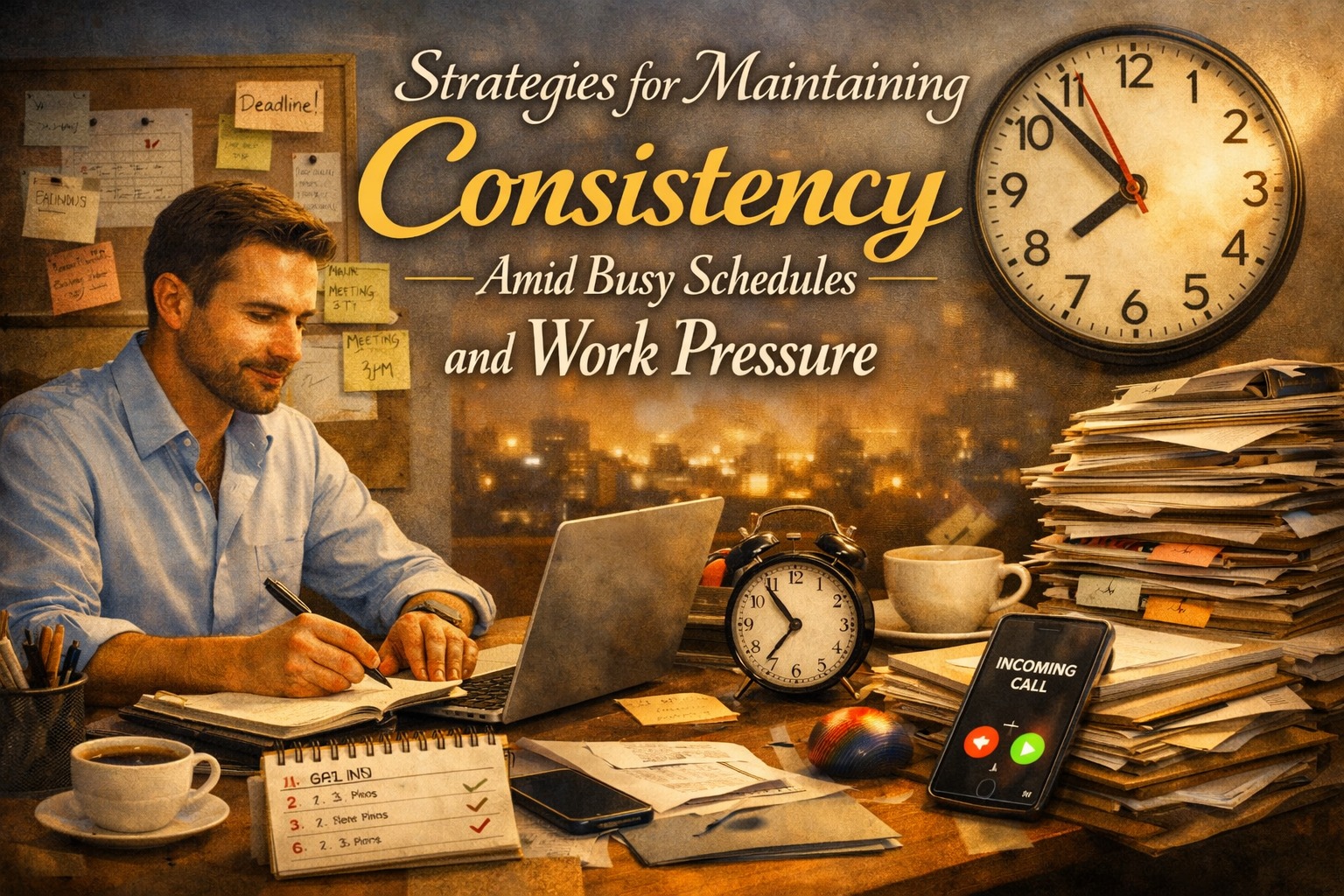
In today's fast-paced world, maintaining consistency can be challenging. Many people struggle to stay committed to their goals because of busy schedules, increasing responsibilities, and constant work pressure. However, consistency remains one of the most important factors for achieving long-term success in both personal and professional life.
Developing consistent habits does not require perfection. Instead, it involves making steady progress and taking small actions regularly. By applying the right strategies, anyone can maintain productivity, manage responsibilities effectively, and continue moving toward their goals despite daily challenges.
UNDERSTANDING THE IMPORTANCE OF CONSISTENCY
Consistency is the ability to perform actions regularly over a long period. It helps individuals build positive habits, improve performance, and achieve sustainable results. Unlike short bursts of motivation, consistency creates a reliable system that supports continuous growth.
When facing work pressure and demanding schedules, many people focus only on urgent tasks while neglecting long-term objectives. Maintaining consistency ensures that important goals remain a priority. Over time, small efforts accumulate and produce significant achievements that would be difficult to accomplish through occasional intense efforts alone.
SETTING REALISTIC AND ACHIEVABLE GOALS
One of the most effective strategies for maintaining consistency is establishing realistic goals. Setting overly ambitious targets often leads to frustration and burnout. Instead, breaking large objectives into smaller, manageable tasks makes progress easier and more sustainable.
Clear goals also improve focus and reduce distractions. When individuals know exactly what they need to accomplish each day, they are more likely to remain committed to their plans. This approach helps maintain daily productivity while reducing the stress associated with overwhelming workloads.
CREATING A STRUCTURED DAILY ROUTINE
A well-organized routine supports time management and encourages consistent behavior. Establishing specific times for important activities helps turn actions into habits. Over time, these habits require less mental effort and become part of a normal daily schedule.
A structured routine also minimizes decision fatigue. Instead of constantly deciding what to do next, individuals can follow a predefined plan. This allows them to focus their energy on completing tasks efficiently, even during periods of intense work pressure.
PRIORITIZING TASKS EFFECTIVELY
Not all tasks have the same level of importance. Learning how to prioritize responsibilities helps prevent overwhelm and ensures that essential work gets completed. Using methods such as task lists or priority ranking systems can improve focus and organization.
By concentrating on high-impact activities first, individuals can make meaningful progress even when time is limited. Effective prioritization also reduces stress because it provides clarity about what truly deserves attention. This contributes to greater productivity and long-term consistency.
MANAGING STRESS AND AVOIDING BURNOUT
High levels of stress can disrupt consistency and reduce performance. Therefore, it is essential to develop healthy stress-management techniques. Activities such as exercise, sufficient sleep, meditation, and regular breaks help maintain both physical and mental well-being.
Avoiding burnout is equally important. Consistency should not mean working endlessly without rest. Sustainable success comes from balancing effort with recovery. When people take care of their health, they are better equipped to maintain consistent performance over time.
USING SMALL HABITS TO BUILD MOMENTUM
Small habits often produce powerful results. Starting with simple actions makes it easier to stay committed, especially during busy periods. Even dedicating a few minutes each day to an important goal can create positive momentum.
These small achievements build confidence and reinforce productive behavior. As habits become stronger, individuals naturally increase their efforts without feeling overwhelmed. This gradual approach is highly effective for maintaining consistency amid busy schedules.
TRACKING PROGRESS AND CELEBRATING ACHIEVEMENTS
Monitoring progress helps individuals stay motivated and accountable. Keeping track of completed tasks allows people to see how far they have come and identify areas that need improvement. This creates a sense of direction and encourages continued effort.
Celebrating achievements, even small ones, can further strengthen commitment. Recognizing progress reinforces positive habits and makes the journey more enjoyable. Consistent acknowledgment of accomplishments helps maintain motivation despite ongoing challenges and work pressure.
CONCLUSION
Maintaining consistency amid busy schedules and work pressure requires planning, discipline, and effective habits. By setting realistic goals, creating structured routines, prioritizing important tasks, managing stress, and tracking progress, individuals can remain productive even in demanding situations.
Long-term success is rarely the result of occasional effort. Instead, it comes from consistent actions performed day after day. By applying these strategies, anyone can improve time management, increase daily productivity, and achieve meaningful goals while maintaining a healthy balance between work and personal life.
Tentang Penulis
Gusti Ayu Tita P
Penulis — Universitas STEKOM
Penulis aktif yang berfokus pada isu-isu akademik, teknologi pendidikan, dan pengembangan sumber daya manusia di lingkungan kampus.