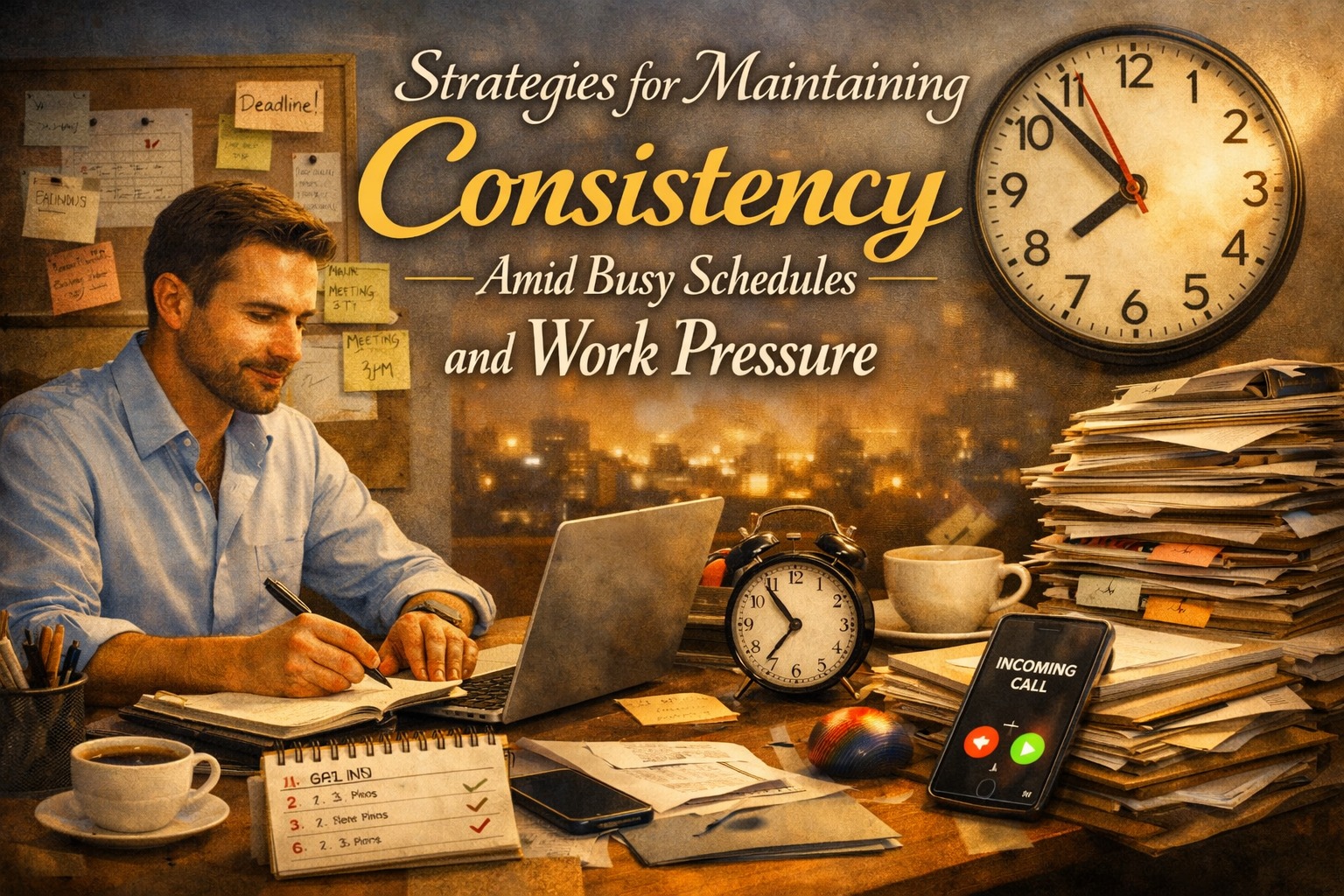
How To Apply Slow Living For A Calmer And More Productive Life?
Gusti Ayu Tita P
14 Oktober 2026

Modern life often feels fast, demanding, and overwhelming. Many people spend their days rushing from one task to another without taking time to rest or appreciate the present moment. This constant pressure can lead to stress, burnout, and reduced productivity. Slow Living offers a healthier approach by encouraging people to live more intentionally, focus on what truly matters, and create a better balance between work and personal life.
Applying Slow Living does not mean becoming lazy or avoiding responsibilities. Instead, it means making thoughtful decisions, reducing unnecessary distractions, and giving full attention to meaningful activities. This lifestyle helps improve Mental Wellness, strengthens relationships, and increases overall satisfaction. In this article, you will learn practical ways to embrace Slow Living while maintaining a productive and fulfilling life.
WHAT IS SLOW LIVING?
Slow Living is a lifestyle that encourages people to slow down, become more mindful, and make intentional choices in their daily routines. Rather than constantly chasing productivity, this philosophy focuses on living with purpose and appreciating each moment. It promotes quality over quantity in both work and personal life.
People who practice Slow Living prioritize meaningful experiences instead of constantly multitasking. They understand that slowing down can improve concentration, reduce stress, and create a greater sense of happiness. This mindset helps individuals enjoy life without feeling pressured by unrealistic expectations.
WHY SLOW LIVING IS IMPORTANT?
Modern technology has made life more convenient, but it has also increased distractions and created an always-connected lifestyle. Constant notifications, endless social media scrolling, and busy schedules can negatively affect Work Balance and emotional well-being. Slow Living helps people regain control of their time and attention.
Living at a slower pace also supports better physical and mental health. People often experience improved sleep, lower stress levels, and stronger focus when they reduce unnecessary pressure. This balanced approach creates long-term benefits for both personal growth and professional success.
PRACTICAL WAYS TO APPLY SLOW LIVING
Start by simplifying your daily routine and focusing on your highest priorities. Avoid filling every hour with activities, and allow time for rest and reflection. Creating a realistic schedule helps reduce stress while improving efficiency.
Another effective strategy is practicing Mindful Habits. Eat without distractions, enjoy conversations without checking your phone, and complete one task at a time. These small changes help improve concentration and make everyday experiences more meaningful.
BUILDING HEALTHY DAILY HABITS
Healthy habits are essential for maintaining a Slow Living lifestyle. Begin your day with a peaceful morning routine, including light exercise, reading, journaling, or meditation. Starting the day calmly creates a positive mindset that lasts throughout the day.
You should also make time for regular breaks and sufficient sleep. Taking short breaks during work improves creativity and prevents burnout. Consistent self-care supports both physical health and emotional resilience.
REDUCING DIGITAL DISTRACTIONS
Technology is valuable, but excessive screen time can reduce productivity and increase stress. Setting boundaries for smartphone usage allows you to spend more time on meaningful activities. Consider limiting unnecessary notifications and scheduling specific times to check emails and social media.
Creating technology-free moments during meals or before bedtime can improve relationships and sleep quality. These simple habits help build stronger connections with family and friends while promoting a calmer lifestyle.
THE CONNECTION BETWEEN SLOW LIVING AND PRODUCTIVITY
Many people mistakenly believe that working faster always leads to better results. In reality, rushing often causes mistakes, fatigue, and lower-quality work. Slow Living encourages thoughtful planning and focused execution, leading to greater efficiency.
By reducing distractions and concentrating on one task at a time, people often complete work more accurately and with less stress. This balanced approach supports sustainable productivity rather than temporary bursts of performance.
BENEFITS OF SLOW LIVING
Practicing Slow Living offers many long-term advantages for personal and professional life. Some of the most valuable benefits include:
- Lower Stress and improved emotional well-being.
- Better Mental Wellness and stronger focus.
- Improved Work Balance between career and personal life.
- Higher productivity through mindful work habits.
- Better relationships with family, friends, and colleagues.
- Increased appreciation for everyday experiences.
- Healthier physical and emotional lifestyle.
TIPS FOR MAINTAINING A SLOW LIVING LIFESTYLE
Consistency is more important than perfection. Start with small changes that fit naturally into your routine instead of trying to transform your entire lifestyle overnight. Small improvements are easier to maintain over time.
Regularly evaluate your priorities and remove activities that do not add value to your life. Continue practicing gratitude, mindfulness, and intentional decision-making. These habits help create a peaceful lifestyle while supporting personal growth and long-term success.
CONCLUSION
Slow Living is not about doing less but about living with greater intention and balance. By simplifying daily routines, reducing distractions, and focusing on meaningful experiences, individuals can enjoy a calmer, healthier, and more productive life.
Applying Slow Living consistently helps reduce stress, improve Mental Wellness, strengthen Work Balance, and build Mindful Habits that support long-term success. Even small daily changes can create significant improvements in overall well-being, making Slow Living a practical lifestyle for anyone seeking a happier and more fulfilling future.
Tentang Penulis
Gusti Ayu Tita P
Penulis — Universitas STEKOM
Penulis aktif yang berfokus pada isu-isu akademik, teknologi pendidikan, dan pengembangan sumber daya manusia di lingkungan kampus.