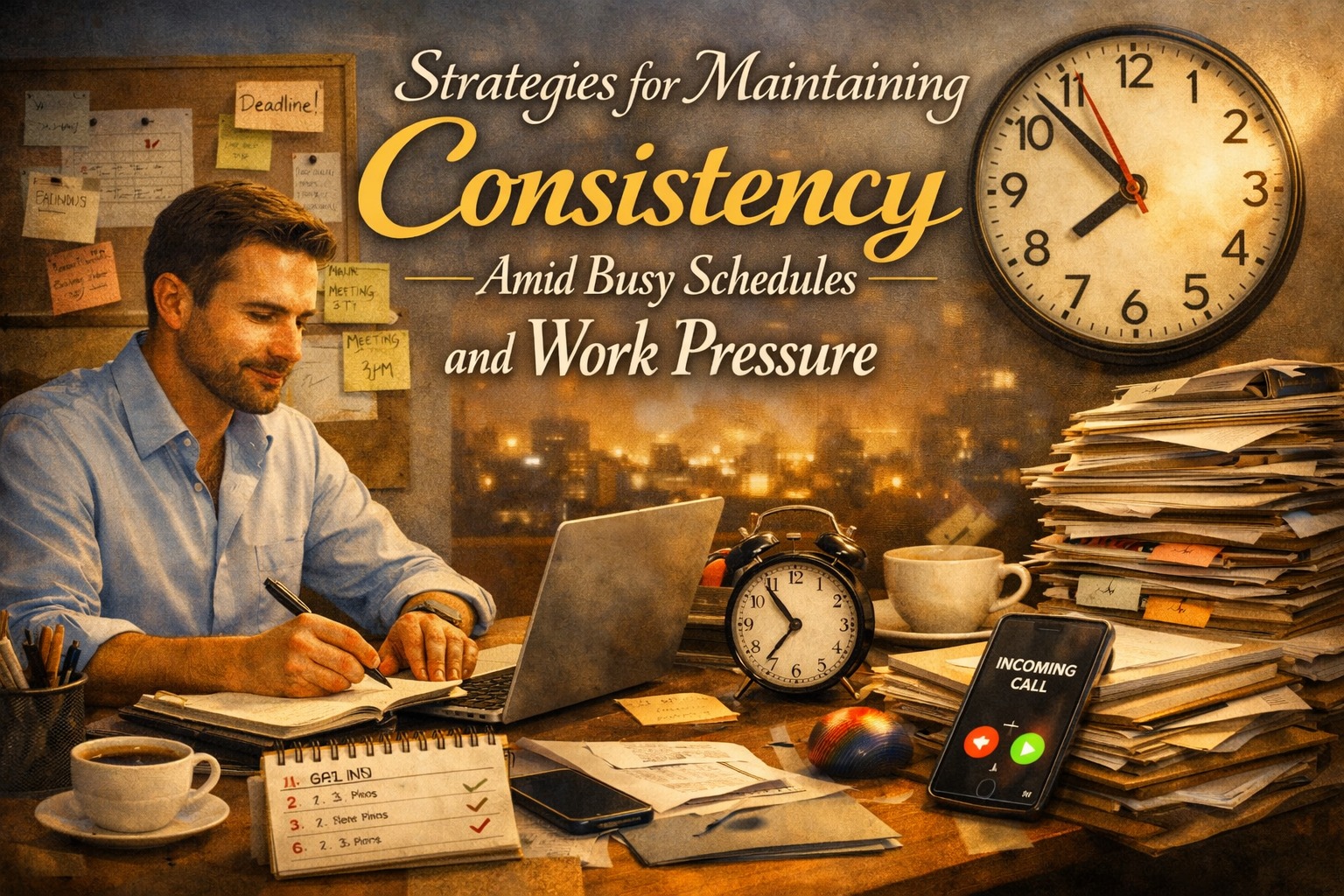
Managing Stress Through A Healthier Lifestyle
Gusti Ayu Tita P
14 Oktober 2026

Stress has become a common part of modern life. Work responsibilities, family obligations, financial concerns, and daily challenges can create pressure that affects both physical and mental well-being. While some stress is normal, excessive stress can lead to health problems if it is not managed properly.
One of the most effective ways to reduce stress is by adopting a healthy lifestyle. Simple habits such as eating nutritious foods, exercising regularly, sleeping well, and maintaining positive relationships can help the body and mind cope with daily challenges. A healthier lifestyle not only reduces stress levels but also improves overall quality of life.
THE CONNECTION BETWEEN STRESS AND HEALTH
Stress affects the body in many ways. When a person experiences stress, the body releases hormones such as cortisol and adrenaline. These hormones help the body respond to challenges, but prolonged exposure can negatively impact health. Common effects of chronic stress include fatigue, headaches, weakened immunity, and difficulty concentrating.
In addition to physical symptoms, stress can also affect emotional well-being. People experiencing high stress levels may feel anxious, irritable, or overwhelmed. Understanding the connection between stress and health is the first step toward effective Stress Management and long-term wellness.
THE IMPORTANCE OF REGULAR PHYSICAL ACTIVITY
Regular exercise is one of the most effective ways to manage stress naturally. Physical activity stimulates the release of endorphins, often called the body's natural feel-good chemicals. These substances help improve mood, reduce tension, and increase energy levels throughout the day.
Exercise does not have to be intense to be beneficial. Walking, cycling, yoga, swimming, or light stretching can significantly reduce stress levels. Making physical activity a regular part of a Healthy Lifestyle can improve both physical fitness and emotional resilience over time.
THE ROLE OF BALANCED NUTRITION IN STRESS REDUCTION
What people eat has a direct impact on how they feel. A diet rich in fruits, vegetables, whole grains, lean proteins, and healthy fats provides essential nutrients that support brain function and emotional stability. Proper Balanced Nutrition helps the body manage stress more effectively and maintain steady energy levels.
On the other hand, excessive consumption of processed foods, sugary snacks, and caffeinated beverages may increase feelings of anxiety and fatigue. Choosing nutritious meals and staying hydrated can contribute to better mood regulation and overall health.
WHY QUALITY SLEEP MATTERS
Adequate sleep is essential for stress recovery. During sleep, the body repairs itself and restores energy needed for the next day. Poor sleep quality can increase stress levels, reduce concentration, and negatively affect emotional balance.
Developing healthy sleep habits can improve both sleep quality and stress management. Going to bed at a consistent time, limiting screen exposure before sleep, and creating a comfortable sleeping environment can support better Quality Sleep and overall well-being.
BUILDING POSITIVE DAILY HABITS
Small daily habits can make a significant difference in stress reduction. Practicing mindfulness, deep breathing, or meditation for a few minutes each day can help calm the mind and improve focus. These simple techniques encourage relaxation and emotional stability.
Maintaining a structured routine can also reduce feelings of uncertainty and overwhelm. Setting realistic goals, managing time effectively, and taking regular breaks contribute to better productivity and stronger Mental Health.
THE VALUE OF SOCIAL CONNECTIONS
Strong social relationships play an important role in managing stress. Spending time with supportive family members, friends, or colleagues can provide emotional comfort and practical assistance during difficult situations. Social interaction helps individuals feel understood and less isolated.
Healthy communication also encourages problem-solving and emotional expression. Talking openly about challenges can reduce mental burdens and improve coping abilities. Positive relationships are an important component of a balanced and healthy lifestyle.
CONCLUSION
Managing stress requires consistent effort and healthy daily choices. By adopting a Healthy Lifestyle, engaging in regular exercise, maintaining Balanced Nutrition, prioritizing Quality Sleep, and strengthening social connections, individuals can reduce stress and improve their overall well-being.
Effective Stress Management is not about eliminating every challenge in life. Instead, it is about developing healthy habits that help the mind and body respond positively to stress. With commitment and consistency, anyone can build a healthier and more balanced life.
Tentang Penulis
Gusti Ayu Tita P
Penulis — Universitas STEKOM
Penulis aktif yang berfokus pada isu-isu akademik, teknologi pendidikan, dan pengembangan sumber daya manusia di lingkungan kampus.