
Building Academic Resilience as a Foundation for Student Success Amid University Pressures
Gusti Ayu Tita P
1 April 2026
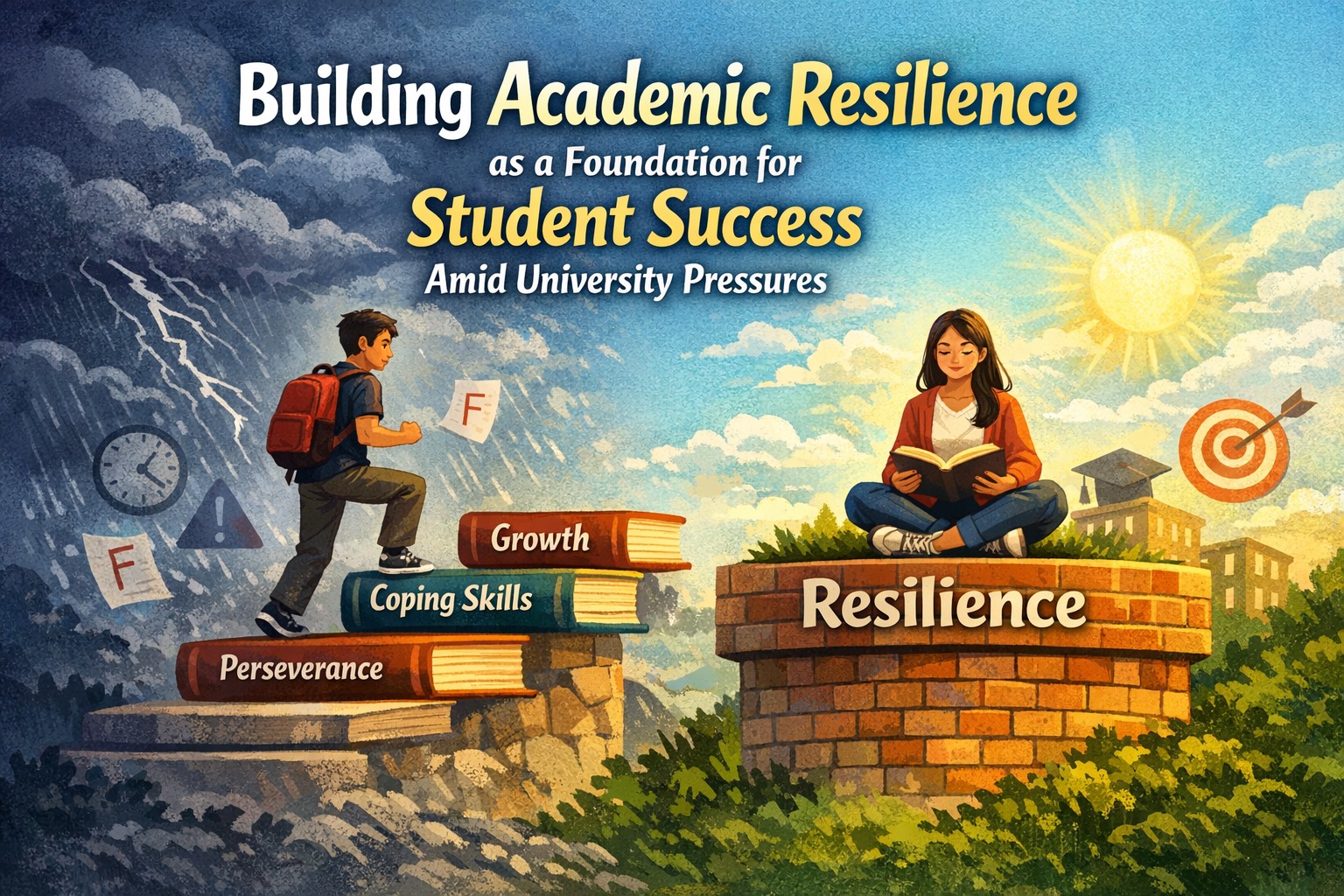
University life presents a unique blend of opportunities and challenges. Academic demands, social expectations, and personal responsibilities can create significant pressure for students. In this context, academic resilience becomes a crucial foundation for sustained success. It enables students to adapt, recover, and grow stronger in the face of difficulties.
UNDERSTANDING ACADEMIC RESILIENCE
Academic resilience refers to a student’s ability to effectively deal with setbacks, stress, and academic challenges. It is not about avoiding difficulties but developing the capacity to respond constructively. Resilient students view obstacles as opportunities for growth rather than barriers to success.
FACTORS INFLUENCING RESILIENCE
Several factors contribute to academic resilience, including mindset, emotional regulation, and support systems. A positive outlook helps students maintain motivation, while emotional control allows them to manage stress effectively. External support from peers, family, and mentors also plays a significant role in strengthening resilience.
STRATEGIES TO DEVELOP RESILIENCE
Building resilience requires intentional effort. Students can start by setting realistic goals and maintaining consistent study habits. Reflecting on failures and learning from mistakes fosters growth. Additionally, practicing self-care and maintaining a healthy lifestyle enhances both mental and physical endurance.
THE ROLE OF SELF BELIEF AND MOTIVATION
Confidence in one’s abilities significantly impacts resilience. Students who believe in their capacity to succeed are more likely to persist through challenges. Motivation, whether intrinsic or extrinsic, drives continuous effort and commitment to academic goals.
ADAPTING TO UNIVERSITY PRESSURES
University pressures can vary from academic workload to social integration. Developing coping strategies such as prioritization, time management, and seeking help when needed allows students to navigate these pressures effectively. Adaptability ensures that students remain flexible in changing situations.
LONG TERM BENEFITS OF ACADEMIC RESILIENCE
Resilience not only improves academic performance but also prepares students for future professional and personal challenges. It cultivates perseverance, problem-solving skills, and emotional strength, which are essential in a competitive world.
CONCLUSION
Academic resilience is a vital component of student success in higher education. By developing the ability to manage challenges and maintain progress, students can achieve their goals despite pressures. Investing in resilience is ultimately an investment in long-term growth and achievement.
About the Author
Gusti Ayu Tita P
Author — STEKOM University
An active author focused on academic issues, educational technology, and human resource development in the campus environment.















