Frugal Living Strategies To Cope With Rising Living Costs
Gusti Ayu Tita P
17 September 2026
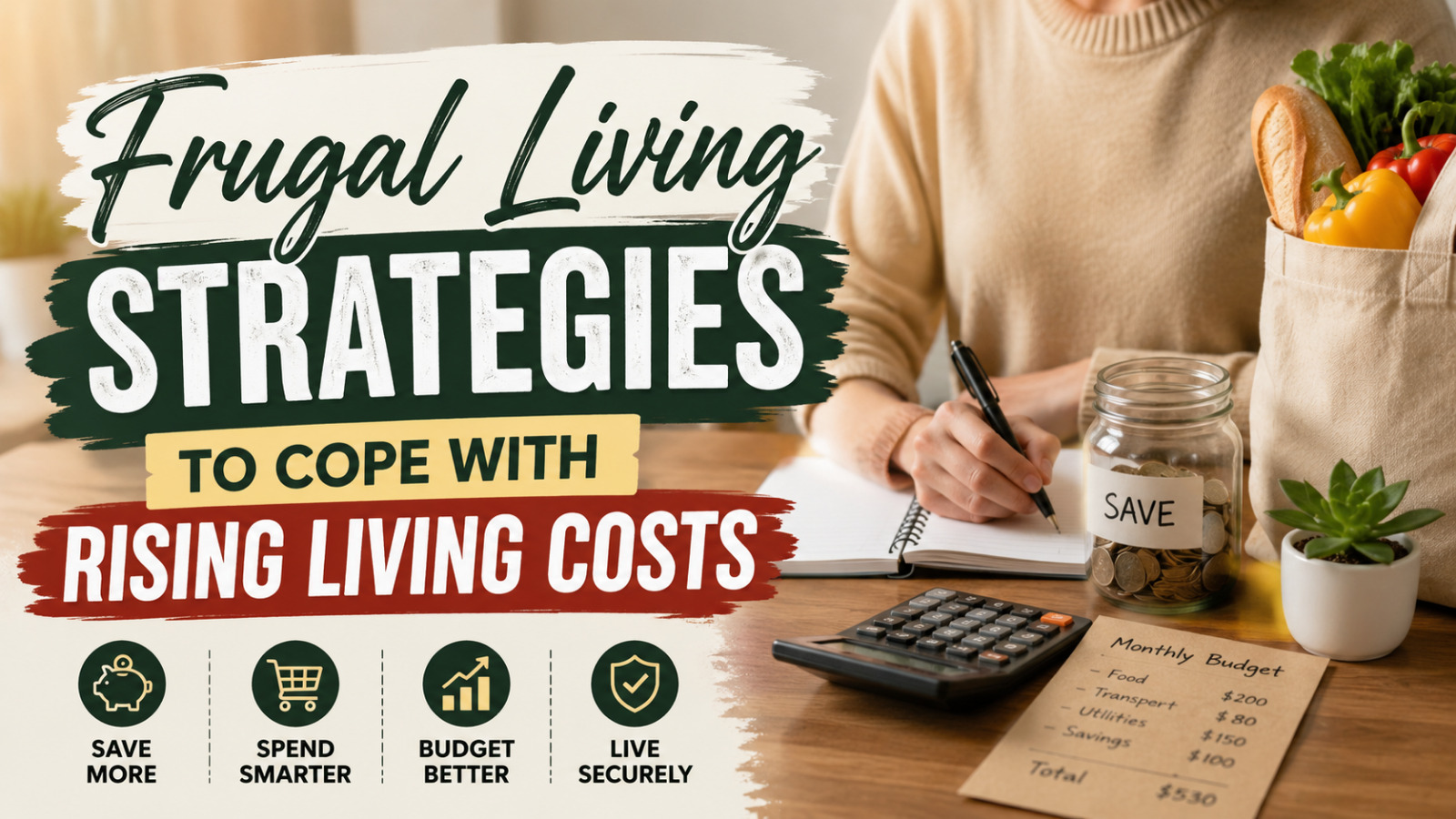
As the prices of food, housing, transportation, and utilities continue to increase, many people are searching for practical ways to protect their financial well-being. Frugal living is not about sacrificing happiness or living with unnecessary restrictions. Instead, it focuses on making smart financial decisions that maximize the value of every dollar spent while minimizing waste.
By adopting effective Frugal Living Strategies, individuals and families can maintain financial stability, reduce stress, and build long-term savings. The following strategies are practical, realistic, and suitable for anyone who wants to overcome the challenges of rising living costs without compromising their quality of life.
UNDERSTAND YOUR MONTHLY EXPENSES
The first step toward successful Budget Planning is understanding exactly where your money goes every month. List all sources of income and categorize every expense, including housing, groceries, transportation, utilities, insurance, entertainment, and subscriptions. This process helps identify unnecessary spending that can easily be reduced or eliminated.
After reviewing your finances, create a realistic monthly budget and stick to it consistently. Expense Tracking allows you to monitor your progress, avoid overspending, and make better financial decisions. Even small adjustments made regularly can lead to significant savings over time.
PRIORITIZE ESSENTIAL NEEDS OVER WANTS
One of the most effective Money Saving habits is learning to distinguish between essential needs and personal wants. Essential expenses include food, housing, healthcare, education, and transportation, while luxury purchases and impulse buying should be carefully evaluated before spending.
Before making any purchase, ask yourself whether the item is truly necessary or simply a temporary desire. Delaying non-essential purchases often reduces impulsive spending and helps preserve your budget. This simple habit encourages more responsible financial behavior and improves long-term financial security.
REDUCE GROCERY AND HOUSEHOLD EXPENSES
Food is one of the largest monthly expenses for most households, making it an ideal area to apply Cost Cutting techniques. Plan weekly meals, prepare shopping lists, compare prices, buy seasonal products, and take advantage of discounts without purchasing unnecessary items.
Cooking meals at home instead of eating out can significantly reduce expenses while providing healthier food options. Buying staple products in bulk, reducing food waste, and properly storing groceries are additional strategies that help lower household spending without sacrificing nutrition or quality.
LOWER UTILITY AND TRANSPORTATION COSTS
Reducing electricity, water, and fuel consumption can noticeably decrease monthly expenses. Turn off lights when not in use, unplug unused electronic devices, use energy-efficient appliances, and conserve water whenever possible. These small daily habits create meaningful savings over the long term.
Transportation costs can also be minimized by using public transportation, carpooling, cycling, or combining multiple errands into a single trip. Regular vehicle maintenance improves fuel efficiency and prevents expensive repairs. These practical changes contribute to a more sustainable and affordable lifestyle.
BUILD AN EMERGENCY SAVINGS FUND
Unexpected expenses such as medical emergencies, home repairs, or job loss can quickly disrupt financial stability. Establishing an Emergency Fund provides a financial safety net that reduces the need for borrowing money or relying on credit during difficult situations.
Start by saving a small percentage of your monthly income, even if the amount seems modest. Consistency is more important than the initial size of your savings. Over time, your emergency fund will grow and provide greater financial confidence and peace of mind.
DEVELOP LONG TERM FRUGAL HABITS
Successful Financial Management depends on developing habits that support responsible spending every day. Practice comparing prices before purchasing, repairing items instead of replacing them immediately, borrowing or renting infrequently used equipment, and avoiding unnecessary debt whenever possible.
Continuous learning about personal finance also strengthens your ability to make informed financial decisions. Reading financial books, following trusted budgeting resources, and regularly reviewing your financial goals help maintain motivation and encourage lifelong financial discipline.
BENEFITS OF FRUGAL LIVING
Adopting Frugal Living Strategies offers advantages beyond simply saving money. Individuals often experience reduced financial stress, improved budgeting skills, increased savings, and greater confidence in managing their finances during uncertain economic conditions.
Additionally, frugal living encourages mindful consumption and reduces unnecessary waste, making it beneficial for both personal finances and the environment. Over time, these habits support long-term financial independence while allowing people to enjoy a balanced and fulfilling lifestyle.
CONCLUSION
Frugal Living Strategies provide practical solutions for coping with rising living costs without sacrificing comfort or well-being. By practicing Budget Planning, improving Expense Tracking, prioritizing Money Saving, applying effective Cost Cutting, and building an Emergency Fund, anyone can strengthen their financial position. Small, consistent actions often produce the greatest long-term results, making frugal living a sustainable approach to achieving financial security and peace of mind.
About the Author
Gusti Ayu Tita P
Author — STEKOM University
An active author focused on academic issues, educational technology, and human resource development in the campus environment.