How Can Beginners Plan Their First Solo Trip?
Gusti Ayu Tita P
17 September 2026
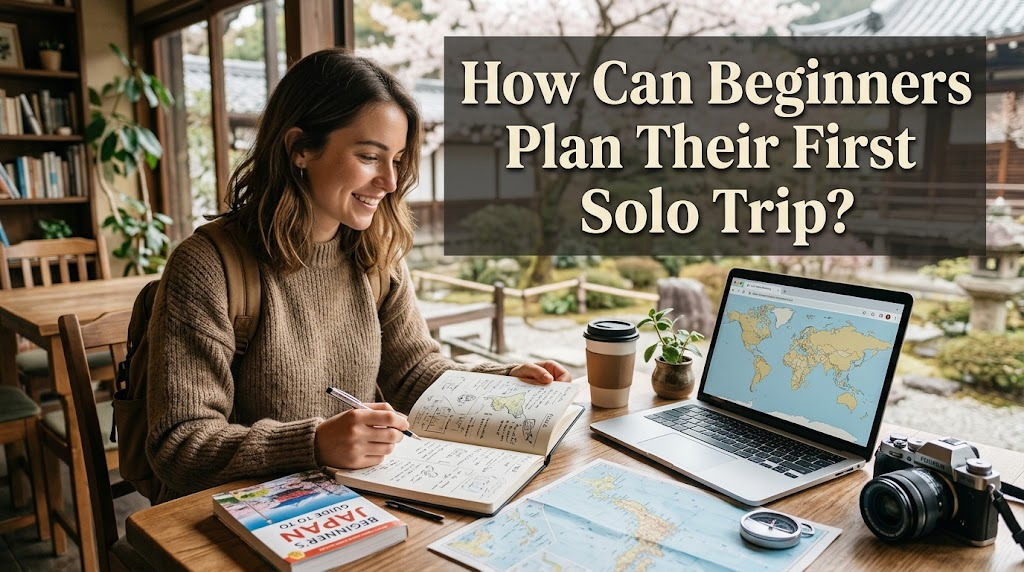
Planning a first solo trip requires preparation to make the journey safe, comfortable, and well organized. Beginners do not need to create a complicated plan, but they should understand several important things before leaving. Choosing a destination, setting a budget, arranging transportation, and creating a simple itinerary are important parts of the preparation. Good planning can also reduce confusion when visiting an unfamiliar place. With a simple and realistic plan, a first solo trip can become an enjoyable experience.
HOW SHOULD BEGINNERS CHOOSE THE RIGHT DESTINATION?
Choosing the right destination is an important first step for anyone planning a solo trip. Beginners should consider places with convenient transportation, sufficient facilities, and reliable tourist information. A destination that is easy to explore can help beginners feel more comfortable when traveling alone. Consider the travel distance, weather conditions, local language, and customs before making a decision.
Besides tourist attractions, beginners should also consider the practicality of the journey. Research transportation routes, accommodation locations, restaurants, and important facilities before departure. Information from reliable travel sources can provide a clearer picture of the destination. Choosing a destination that matches your experience and travel ability can make the first trip easier to manage.
HOW CAN BEGINNERS CREATE A TRAVEL BUDGET?
Creating a travel budget helps beginners understand how much money they need for the journey. List the main expenses, including transportation, accommodation, food, entrance fees, and planned activities. Emergency funds should also be prepared for unexpected expenses during the trip. This approach can make money management easier and more controlled.
Before booking transportation or accommodation, compare several available options. However, do not choose an option based only on the lowest price because location, comfort, and safety are also important considerations. Set a daily spending limit to prevent unnecessary expenses. A realistic budget can help beginners enjoy their trip without excessive financial concerns.
HOW CAN BEGINNERS CREATE A SIMPLE ITINERARY?
Beginners do not need an overly detailed itinerary for their first solo trip. Make a list of places you want to visit and organize them according to their locations to reduce unnecessary travel time. Include important information such as departure times, transportation, accommodation, and main activities. Leave some free time in the itinerary so the schedule can remain flexible when unexpected changes happen.
Avoid putting too many destinations into one day. An overly busy schedule can cause fatigue and reduce the opportunity to enjoy each destination. Save accommodation addresses, tickets, and other important information on your phone for easy access. A simple itinerary can keep the journey organized while still allowing you to explore freely.
WHAT SHOULD BEGINNERS PREPARE BEFORE DEPARTURE?
Before departure, check important documents, travel tickets, accommodation reservations, money, phone, and personal belongings. Make a checklist to ensure that all necessary items have been prepared. For international travel, check the validity of your passport and other required travel documents. Weather conditions and transportation updates should also be checked before leaving.
Beginners should also share their basic travel plans with someone they trust. Save important contact numbers, including accommodation information, transportation services, and local emergency services. Avoid carrying unnecessary belongings so the journey remains practical and manageable. Good preparation before departure can reduce avoidable problems and make the solo trip more organized.
CONCLUSION
Beginners can plan their first solo trip by choosing a suitable destination, creating a realistic budget, preparing a simple itinerary, and organizing essential items before departure. A simple but well prepared plan is often more useful than an overly complicated schedule. Transportation, accommodation, destination conditions, and emergency funds should also be considered carefully. Sharing basic travel information with someone you trust can provide an additional layer of preparation. With proper planning, a first solo trip can become a comfortable, enjoyable, and memorable experience.
About the Author
Gusti Ayu Tita P
Author — STEKOM University
An active author focused on academic issues, educational technology, and human resource development in the campus environment.