How Can Kids Stay Comfortable During Trips?
Gusti Ayu Tita P
17 September 2026
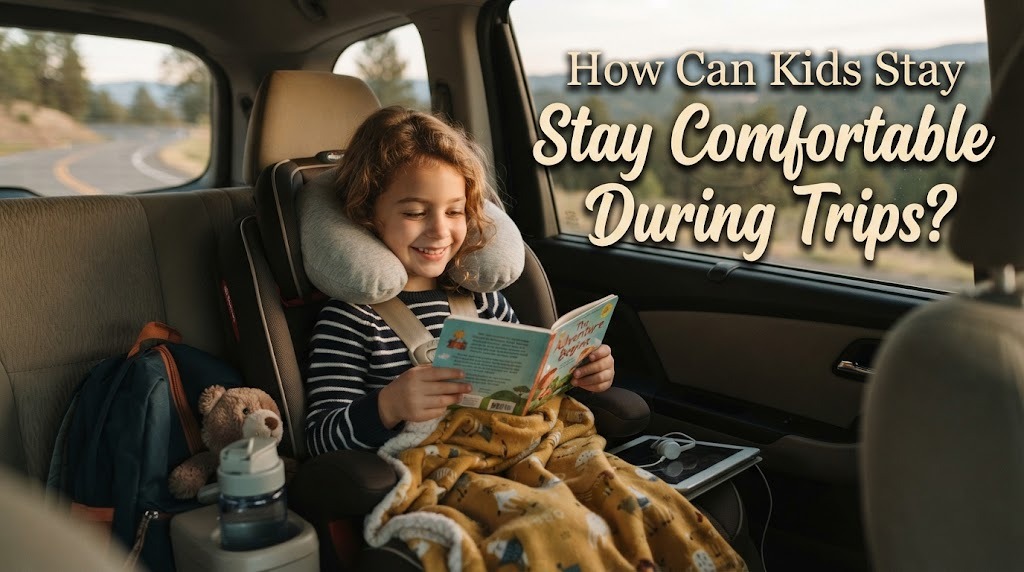
Comfortable clothing can help children feel better during a long family trip. Parents should choose clothes that match the destination's weather and planned activities. Lightweight and breathable clothing can be useful in warm conditions, while layers can help children stay comfortable in cooler environments. Shoes should fit properly and be suitable for walking or other planned activities. Bringing an extra set of clothes can also be helpful if children's clothes become wet or dirty.
Parents should avoid dressing children in clothing that is too tight or unsuitable for the weather. Check the forecast before leaving and adjust the packing list when necessary. Hats, rain jackets, or warm layers may be useful depending on the destination. Children should also have access to comfortable sleepwear when staying away from home. Practical clothing choices can reduce discomfort throughout the journey.
PROVIDE ENOUGH FOOD AND WATER
Children can become uncomfortable when they are hungry or thirsty during travel. Parents should prepare water and suitable snacks that are easy to carry and appropriate for the child's age. Familiar foods can be useful when children are not accustomed to food at the destination. During longer journeys, plan regular meal and snack breaks instead of waiting until children become very hungry. Parents should also consider food allergies and dietary requirements when preparing meals.
Drinking enough fluids is especially important during hot weather or physically active activities. Keep water easily accessible so children do not have to wait until the next stop. Avoid relying entirely on sugary drinks, particularly when children need regular hydration. If the journey involves air travel or other transportation with restrictions, check the relevant rules for carrying food and drinks. Proper food and hydration planning can make travel more comfortable.
GIVE CHILDREN ENOUGH REST
Travel can be tiring for children, especially when there are long journeys or many activities in one day. Parents should include regular rest periods in the itinerary instead of scheduling activities continuously. Younger children may need naps, while older children may simply need quiet time between activities. Adequate sleep can also help children maintain their energy and mood. A slower schedule is often more comfortable than trying to visit too many places.
Families should consider children's normal sleeping patterns when planning transportation and activities. If possible, avoid arranging important activities immediately after a very long journey. Choose accommodation that provides a comfortable sleeping environment and enough space for the family. Parents should also recognize when children are becoming tired and adjust the schedule when necessary. Giving children time to rest can make the entire family vacation more enjoyable.
BRING FAMILIAR COMFORT ITEMS
Familiar items can help children feel more comfortable when they are away from home. Depending on their age, children may benefit from bringing a favorite toy, blanket, book, pillow, or other familiar item. These objects can provide a sense of familiarity in unfamiliar environments. Parents should choose only a few important items so luggage does not become unnecessarily heavy. A familiar bedtime item can be especially useful when children are staying in a new hotel.
Parents can also prepare a small personal bag for each child. The bag can contain a favorite toy, activity book, headphones, snacks, or other suitable items. Letting children choose some of the contents can make them feel more involved in the preparation. However, valuable or easily lost items should be avoided during busy travel days. Familiar belongings can provide simple emotional comfort during unfamiliar situations.
KEEP CHILDREN ENTERTAINED
Long journeys can feel boring for children, particularly when they have to sit for several hours. Parents can prepare books, coloring activities, puzzles, small toys, music, or downloaded digital content to keep children occupied. Choose activities that match the child's age and interests. It is helpful to bring several different options so children can switch activities when they become bored. Parents should also consider transportation rules when bringing electronic devices or other items.
Entertainment should not be the only solution for keeping children comfortable. During appropriate parts of the journey, encourage children to look outside, talk with family members, or play simple travel games. On longer journeys, short movement breaks can also help children feel less restless when it is safe and practical to take them. Parents can create a balance between screen-based and non-screen activities. Good travel entertainment can make waiting and transportation time easier.
CONCLUSION
Children can stay comfortable during trips when parents prepare for their clothing, food, hydration, rest, familiar items, and entertainment. Parents should consider children's ages, individual needs, the destination, weather, and length of the journey. A flexible schedule allows families to respond when children become tired, hungry, or uncomfortable. Simple preparation can prevent many common travel difficulties and make the journey more enjoyable. By focusing on children's comfort while remaining flexible, families can create a smoother and more positive travel experience.
About the Author
Gusti Ayu Tita P
Author — STEKOM University
An active author focused on academic issues, educational technology, and human resource development in the campus environment.