How Can Oversharing Affect Friendships and Social Relationships?
Gusti Ayu Tita P
18 September 2026
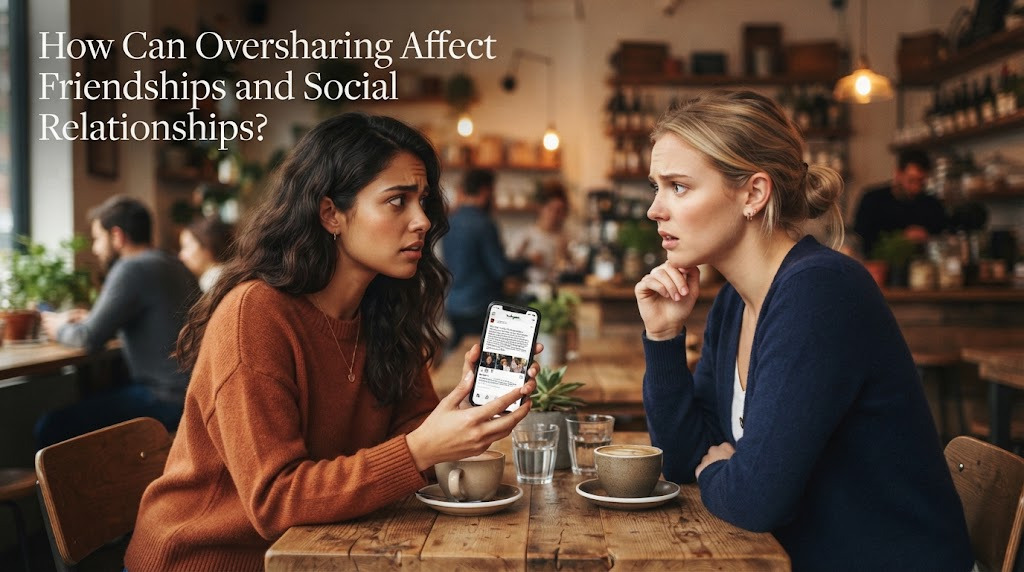
Oversharing means sharing too much personal information with other people, especially through social media, messaging applications, or everyday conversations. Sharing experiences can help people connect, but excessive disclosure may create uncomfortable situations and affect relationships. Information about private problems, family matters, arguments, or other people's personal lives may be shared without considering the consequences. Understanding the effects of oversharing on friendships and social relationships can help people communicate more thoughtfully.
HOW CAN OVERSHARING AFFECT FRIENDSHIPS?
Oversharing can affect friendships when one person shares information that the other person considers private or sensitive. Friends may feel uncomfortable if personal conversations are discussed with other people without permission. In some situations, repeated oversharing can make someone feel that their privacy is not being respected. This may gradually reduce trust and create distance within the friendship.
Oversharing can also change how people communicate with each other. A friend may become more careful about what they say because they are worried that their words will be shared elsewhere. Healthy friendships depend on trust, respect, and mutual understanding, so respecting personal boundaries is important. Knowing when information should remain private can help maintain stronger friendships.
WHY CAN OVERSHARING REDUCE TRUST?
Trust is an important part of every healthy social relationship. When someone repeatedly shares private information without permission, others may question whether their personal stories will also be exposed. This can create feelings of disappointment, embarrassment, or insecurity. Over time, people may choose to share less with someone they believe does not respect confidentiality.
The problem can become more serious when overshared information is inaccurate or taken out of context. A private story may sound very different when repeated to another person. Misunderstandings can then develop between friends, classmates, coworkers, or family members. Practicing responsible communication can help prevent unnecessary conflicts caused by the spread of personal information.
HOW DOES SOCIAL MEDIA MAKE OVERSHARING MORE COMMON?
Social media makes it easy to share thoughts, photos, opinions, and personal experiences with many people at the same time. A post intended for close friends may sometimes reach a much larger audience because of screenshots, shares, or changes in privacy settings. This means that information shared online can travel beyond the original audience. The permanent or widely accessible nature of online content can create additional relationship problems.
Social media can also encourage people to share personal experiences when they are experiencing strong emotions. Posting during an argument or difficult situation may provide temporary emotional relief, but it can create problems later. Digital communication requires careful consideration because online posts can be misunderstood without the context of a face-to-face conversation. Taking time before posting can help people avoid unnecessary social conflicts.
WHAT HAPPENS WHEN SOMEONE SHARES ANOTHER PERSONS SECRET?
Sharing another person's secret without permission can seriously affect a relationship. The person whose information was exposed may feel betrayed, embarrassed, or disrespected. Even if the information was shared without harmful intentions, the result can still damage trust. In some cases, the relationship may become difficult to repair.
People should remember that having access to someone's private information does not automatically give them permission to share it. Before discussing another person's personal situation, it is better to consider whether they have agreed to the information being shared. Respecting personal boundaries is especially important when dealing with sensitive family, health, financial, or relationship matters. Keeping private information confidential shows consideration for other people's feelings and dignity.
CAN OVERSHARING CAUSE SOCIAL CONFLICTS?
Oversharing can contribute to misunderstandings and social conflicts when information is shared without sufficient context. A statement made privately may be interpreted differently when repeated to someone else. This can lead to rumors, arguments, or negative assumptions about the people involved. The situation may become more complicated when several people become involved in the conversation.
Another issue is that people may accidentally reveal information that was never meant to become public. For example, sharing details about a friend's personal problem in a group conversation can make the person feel exposed. Careful communication can reduce these situations by encouraging people to think about the possible impact of their words. Healthy social relationships require both openness and appropriate boundaries.
HOW CAN PEOPLE AVOID OVERSHARING IN RELATIONSHIPS?
People can reduce oversharing by thinking carefully about what, why, and with whom they are sharing information. Before discussing a personal story, it is useful to ask whether the information belongs only to you or also involves someone else. If another person's private information is involved, asking for permission before sharing it is a respectful approach. People should also avoid posting emotional or sensitive content immediately when they are upset.
Setting clear boundaries can make communication healthier and more comfortable. Friends can openly discuss what information they prefer to keep private and what they are comfortable sharing publicly. Practicing healthy communication habits does not mean avoiding personal conversations; instead, it means sharing information at an appropriate time and with the appropriate people. This balance can strengthen trust and support long-term social relationships.
CONCLUSION
Oversharing can influence friendships and social relationships by reducing trust, creating misunderstandings, and making people feel that their privacy has been ignored. Sharing another person's private information can be particularly harmful because it may cause embarrassment or feelings of betrayal. However, people can reduce these problems by respecting boundaries, asking permission, and considering the possible consequences before sharing personal information. Thoughtful communication and mutual respect can help create stronger, healthier, and more lasting relationships.
About the Author
Gusti Ayu Tita P
Author — STEKOM University
An active author focused on academic issues, educational technology, and human resource development in the campus environment.