How Can Students Manage Allowance While Living Alone?
Gusti Ayu Tita P
28 September 2026
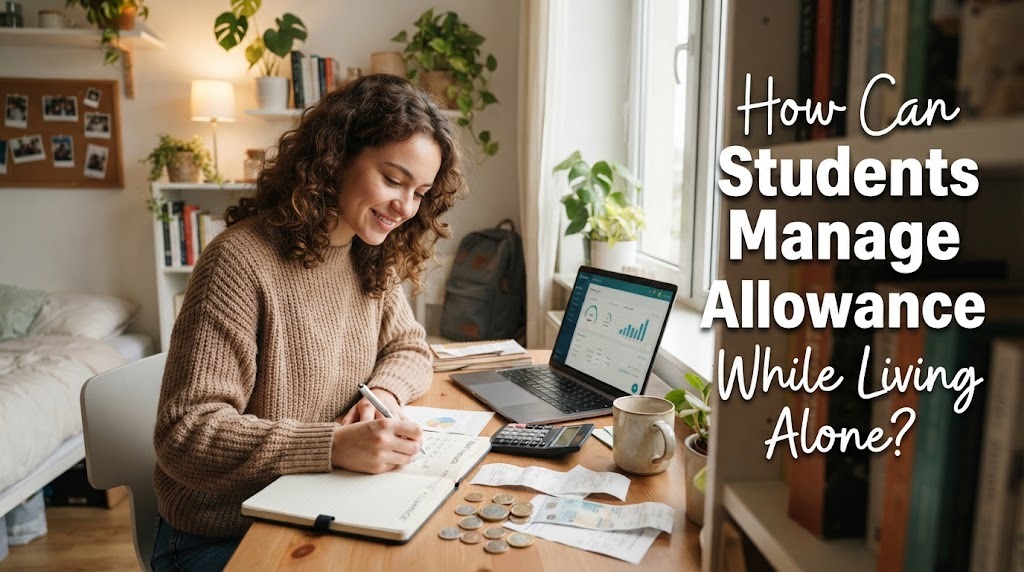
Living alone can give college students greater independence, but it also comes with more financial responsibilities. Students may need to manage food, transportation, rent, electricity, internet, study materials, and personal expenses on their own. Without proper planning, an allowance can disappear quickly because there are more costs to handle. Learning to manage money independently can help students meet their daily needs while avoiding unnecessary financial pressure. A simple financial routine can make living alone easier to manage.
CALCULATING MONTHLY LIVING EXPENSES
The first step is to calculate regular monthly expenses. Students should identify costs such as rent, food, transportation, electricity, internet, phone services, and academic needs. Some expenses are fixed, while others can change depending on daily habits.
Creating a list of expenses gives students a clearer idea of how much money is needed each month. Students should also include occasional costs that may not appear every week. Knowing the total cost of living makes it easier to determine how much money should be allocated to each category. This can prevent important expenses from being overlooked.
PRIORITIZING ESSENTIAL NEEDS
Students living alone should prioritize essential expenses before spending money on wants. Rent, food, utilities, transportation, and academic requirements usually need to be considered first. These costs directly affect daily living and the ability to continue college activities.
After essential expenses have been covered, students can decide how much money remains for entertainment, hobbies, shopping, or social activities. This approach helps protect important expenses from being affected by unnecessary spending. Prioritizing needs creates greater financial stability when the allowance is limited.
PLANNING FOOD EXPENSES
Food can become one of the largest daily expenses for students living alone. Buying prepared meals several times a day may be convenient but can make the allowance disappear quickly. Students can manage this cost by planning meals and choosing affordable food options.
Cooking simple meals can also help control food expenses when students have access to a suitable kitchen. Buying groceries based on a weekly meal plan can reduce unnecessary purchases and food waste. Planning meals before shopping can make food spending more predictable and easier to control.
MANAGING BILLS AND FIXED COSTS
Living alone often means paying bills that may not be present when living with family. These can include rent, electricity, water, internet, and phone services. Students should set aside money for these costs before using their allowance for other purposes.
Fixed expenses should be treated as important financial obligations. Students can keep a separate record of payment dates and amounts to avoid forgetting them. Planning fixed costs in advance helps prevent financial shortages later in the month. It also makes the remaining allowance easier to manage.
SETTING A DAILY OR WEEKLY SPENDING LIMIT
After essential monthly expenses are planned, students can divide the remaining money into daily or weekly spending limits. This method prevents students from using too much money at the beginning of the month. It also provides a clear idea of how much can safely be spent on flexible expenses.
Students can adjust the limit depending on their schedule. For example, spending may be higher during weeks with many campus activities and lower during quieter periods. A flexible spending limit can help students stay within their overall budget without making daily financial management too complicated.
KEEPING AN EMERGENCY RESERVE
Students living alone should consider keeping an emergency reserve because they may need to handle unexpected expenses independently. A broken electronic device, urgent transportation, medical-related costs, or sudden academic requirements can create additional financial pressure. Having some money set aside can make these situations easier to handle.
The reserve can be built gradually by saving a small amount whenever the allowance is received. Students should avoid using this money for routine purchases unless there is a genuine need. An emergency reserve provides additional financial protection and can reduce dependence on last-minute borrowing.
CONCLUSION
Students who live alone can manage their allowance by calculating monthly expenses, prioritizing essential needs, planning food costs, managing bills, setting spending limits, and maintaining an emergency reserve. These steps can help students understand where their money needs to go before they begin spending it.
Living alone requires greater financial independence, but the process does not have to be complicated. Consistent budgeting and regular expense tracking can help students make their allowance last longer and reduce unnecessary financial stress. These habits can also prepare students for managing their finances independently in the future.
About the Author
Gusti Ayu Tita P
Author — STEKOM University
An active author focused on academic issues, educational technology, and human resource development in the campus environment.