How Can You Avoid Oversharing When Communicating Online?
Gusti Ayu Tita P
18 September 2026
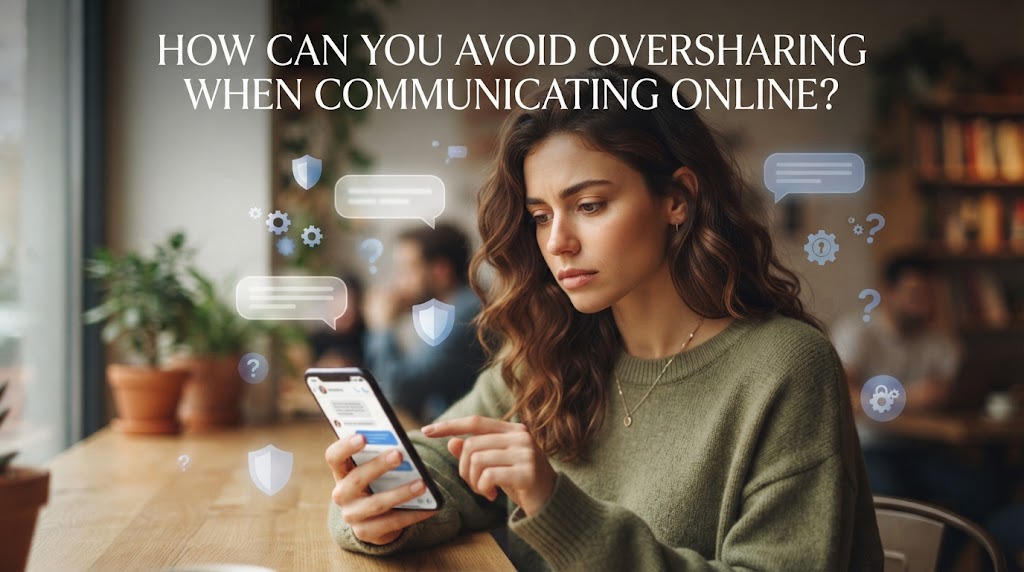
Oversharing online happens when someone shares more personal information than necessary, appropriate, or safe for a particular audience. It can occur through social media, group chats, comments, online forums, or private messages. Digital communication is convenient, but it can also encourage people to share information quickly without considering the possible consequences. Information shared online may be saved, copied, or forwarded by other people. Therefore, learning how to communicate carefully is important for protecting online privacy.
THINK BEFORE SHARING PERSONAL INFORMATION
One of the simplest ways to avoid oversharing is to think before sharing. Before sending a message or publishing a post, consider whether the information is necessary and whether the intended audience really needs to know it. Personal details such as home addresses, phone numbers, passwords, financial information, and identification numbers should be kept private. It is also important to consider whether the information could create problems if someone else saw it later.
Another useful question is whether you would feel comfortable if the information were shared outside the original conversation. If the answer is no, it may be better not to post or send it. Taking a few seconds to think can prevent impulsive communication. This habit is especially useful when emotions are strong or when discussing sensitive topics.
LIMIT THE PERSONAL DETAILS YOU SHARE
Avoiding oversharing does not mean keeping every part of your life secret. Instead, it means choosing which information is appropriate to share with different audiences. Details about personal problems, family matters, relationships, finances, and daily routines may be better discussed privately with trusted people. Sharing fewer sensitive details can reduce unnecessary exposure.
Users should also be careful when posting photos and videos. A picture may accidentally show a home address, school name, identification document, location, or other private information in the background. Checking content carefully before posting can help protect personal privacy. Small details can sometimes reveal more information than the main message itself.
CHECK YOUR AUDIENCE AND PRIVACY SETTINGS
Knowing who can see your content is an important part of digital privacy. Social media platforms often provide privacy settings that allow users to control who can view posts, stories, profiles, or other information. Users should regularly check these settings because platform features and account preferences can change. A post intended for close friends should not automatically be available to a large public audience.
It is also useful to review your followers, friends, and group memberships from time to time. Remove or restrict unfamiliar accounts when appropriate, especially if they can access personal content. However, privacy settings cannot completely prevent other people from taking screenshots or sharing information. Therefore, careful sharing remains important even when an account has restricted privacy settings.
AVOID POSTING WHEN EMOTIONS ARE STRONG
Strong emotions can make people communicate without considering the long-term consequences. When someone feels angry, sad, frustrated, or extremely excited, they may reveal information that they would normally keep private. Emotional posts can later cause embarrassment, misunderstandings, or conflict. For this reason, waiting before posting can be an effective way to avoid oversharing.
A short pause gives people time to reconsider their words and decide whether the information really needs to be shared. Writing a message first and reading it again before sending can also help. If the topic is highly personal, a private conversation with a trusted person may be more appropriate than a public post. This approach supports healthy online communication while reducing unnecessary exposure.
PROTECT OTHER PEOPLE'S PRIVATE INFORMATION
Avoiding oversharing also means respecting the privacy of other people. Before posting a photo, conversation, story, or personal experience involving someone else, consider whether you have their permission. A friend may not want their private situation, location, or personal information shared with a wider audience. Even positive stories can become uncomfortable if they reveal details that another person wanted to keep private.
Private conversations should also remain private unless everyone involved agrees to share them. Screenshots of messages should not be uploaded simply because they seem interesting or entertaining. Respecting other people's boundaries helps build trust and healthy relationships. Good digital communication requires consideration not only for yourself but also for everyone mentioned in your content.
DEVELOP HEALTHY ONLINE COMMUNICATION HABITS
Avoiding oversharing becomes easier when people develop consistent online communication habits. One useful habit is to separate information into different levels of privacy. General interests and harmless activities may be suitable for wider audiences, while sensitive personal matters should usually be limited to trusted individuals. This approach helps people communicate openly without revealing unnecessary information.
Users can also review their old posts and remove content that contains sensitive information when appropriate. They should avoid sharing passwords, financial details, precise addresses, or other information that could create security problems. Most importantly, people should remember that online content can have a long-term digital footprint. Careful communication today can help protect privacy and reduce unwanted consequences in the future.
CONCLUSION
Avoiding oversharing when communicating online starts with thinking carefully about what information is necessary and who should receive it. People can protect themselves by limiting sensitive details, checking privacy settings, managing emotional posts, and reviewing photos before sharing them. Respecting other people's privacy is equally important because online communication can affect more than one person. Developing healthy digital communication habits can make online interactions safer and more respectful. By thinking before sharing and maintaining clear personal boundaries, users can enjoy online communication while protecting their privacy and security.
About the Author
Gusti Ayu Tita P
Author — STEKOM University
An active author focused on academic issues, educational technology, and human resource development in the campus environment.