How Can You Create a Practical and Organized Trip Itinerary?
Gusti Ayu Tita P
17 September 2026
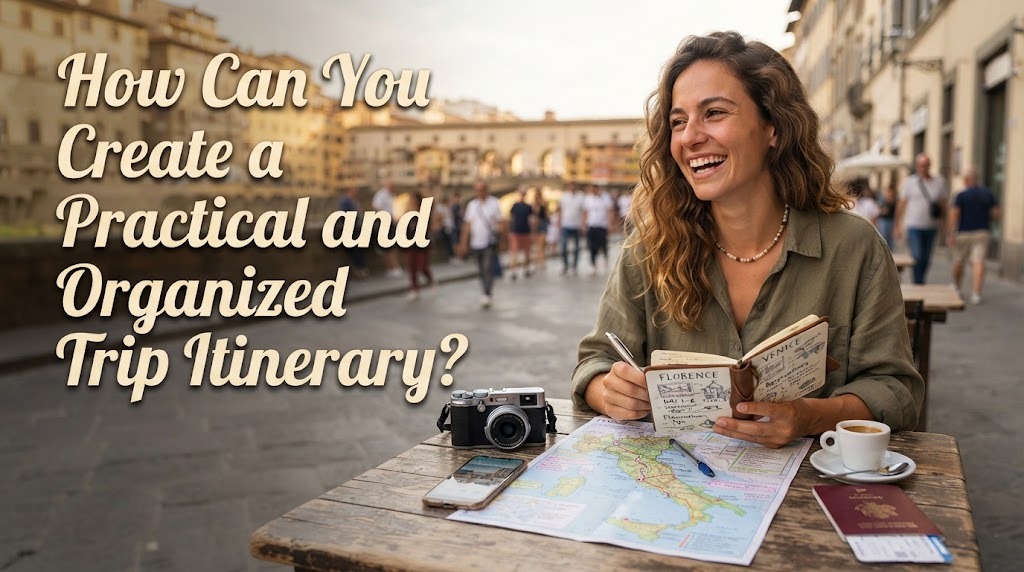
Creating a trip itinerary can make a journey easier to manage from the beginning until the end. A well-organized itinerary helps travelers understand where to go, what to do, when to travel, and how much to spend. However, an itinerary should not be so detailed that it becomes difficult to follow. The best plan combines clear information with enough flexibility for unexpected situations. By following several practical steps, travelers can create an itinerary that is useful, realistic, and easy to understand.
DETERMINE THE PURPOSE AND DURATION OF THE TRIP
The first step in creating a trip itinerary is determining the purpose of the trip. A vacation, business trip, educational visit, and family holiday may require different schedules and activities. Travelers should also decide how many days they will spend at the destination. Knowing the duration makes it easier to determine how many places can realistically be visited. A short trip usually needs a simpler schedule, while a longer journey can include more destinations and rest periods.
Travelers should also consider their main priorities during the journey. Some people may prefer cultural attractions, while others may focus on nature, food, shopping, or professional activities. Identifying these priorities helps prevent the itinerary from becoming overloaded with activities. Travel priorities should be arranged according to available time and personal interests. This creates a plan that is more relevant and comfortable to follow.
CHOOSE DESTINATIONS THAT FIT THE ROUTE
After determining the purpose and duration, travelers can select the destinations they want to visit. It is useful to research the location, distance, opening hours, transportation options, and expected visit duration. Destinations that are close to each other can be grouped on the same day. This approach reduces unnecessary travel and helps save both time and transportation costs. Destination selection should therefore consider location as well as personal preferences.
Travelers should avoid adding too many destinations simply because they appear interesting. Visiting several distant places in one day may create a tiring schedule and leave little time to enjoy each location. A practical itinerary focuses on destinations that can be reached comfortably within the available time. It is also helpful to identify alternative destinations in case the original plan cannot be followed. This makes the itinerary more flexible and realistic.
PLAN TRANSPORTATION AND TRAVEL TIME
Transportation is an important part of an organized trip itinerary. Travelers should determine how they will move between the airport, hotel, tourist attractions, restaurants, and other destinations. The selected transportation should consider travel time, cost, availability, and convenience. Travelers should also allow extra time for traffic, waiting, transfers, or possible delays. These details can prevent the schedule from becoming unrealistic.
The order of destinations can also affect the efficiency of the journey. Travelers can arrange activities according to geographic location so they do not repeatedly return to the same area. For public transportation, checking routes and operating schedules before departure can make the journey easier. For private transportation, travelers should consider parking and road conditions when appropriate. Good transportation planning helps the itinerary remain practical throughout the trip.
CREATE A REALISTIC DAILY SCHEDULE
A daily schedule should show the main activities without filling every available minute. Travelers can include approximate times for breakfast, transportation, sightseeing, meals, rest, and other activities. Each activity should receive enough time based on its location and expected duration. Time management is important because unrealistic schedules can cause delays throughout the rest of the day. A balanced schedule allows travelers to enjoy their activities without constantly rushing.
It is also important to include free time between major activities. Unexpected delays, long queues, weather changes, or personal needs can affect the original schedule. If there is enough flexibility, one delay does not necessarily disrupt the entire itinerary. Travelers can mark the most important activities as priorities and treat other activities as optional. This makes the itinerary easier to adjust when circumstances change.
PREPARE THE BUDGET AND IMPORTANT INFORMATION
A practical trip itinerary should also include an estimated travel budget. Travelers can calculate expected expenses for transportation, accommodation, food, entrance fees, shopping, and emergency needs. Comparing the estimated cost with the available budget can help travelers decide which activities should be included or removed. It is useful to leave some money for unexpected expenses rather than spending the entire budget in advance. This approach supports better financial control during the journey.
Important travel information should also be collected in one place. This may include hotel addresses, reservation details, transportation schedules, ticket information, emergency contacts, and important travel documents. Travelers can store the itinerary digitally on a smartphone and keep a backup copy when necessary. Travel information management makes important details easier to find during the trip. With accurate information and a realistic budget, the itinerary becomes a practical guide rather than just a list of destinations.
CONCLUSION
Creating a practical and organized trip itinerary requires careful planning from the beginning. Travelers should determine the purpose and duration of the trip, choose suitable destinations, plan transportation, create realistic schedules, and prepare an appropriate budget. The itinerary should provide enough detail while maintaining flexibility for unexpected changes. Good planning can help travelers manage time, control expenses, and enjoy their journey more comfortably. By following these steps, anyone can create a clear and useful itinerary that supports a smoother travel experience.
About the Author
Gusti Ayu Tita P
Author — STEKOM University
An active author focused on academic issues, educational technology, and human resource development in the campus environment.