How Can You Create a Trip Budget with Limited Funds?
Gusti Ayu Tita P
17 September 2026
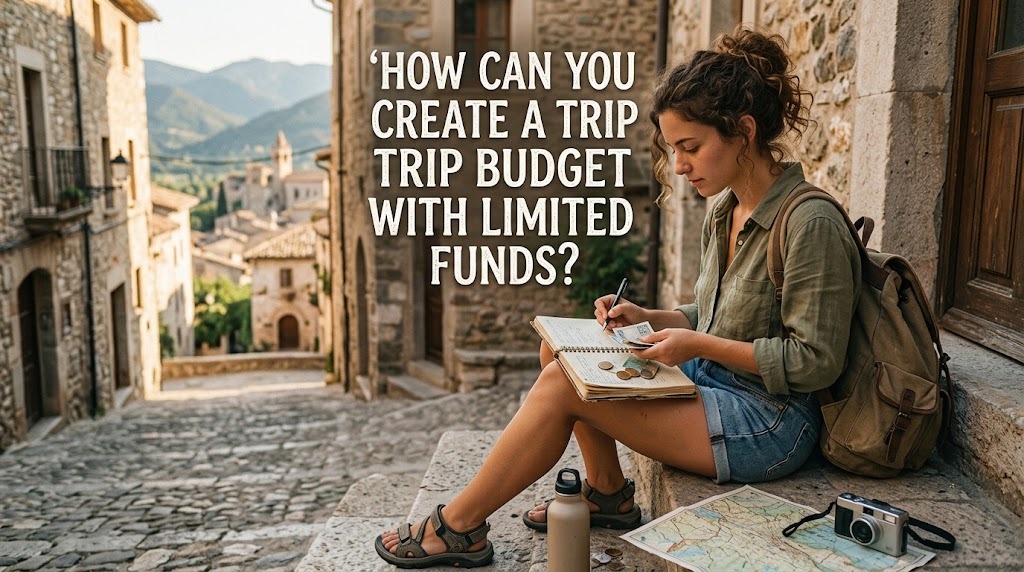
Traveling does not always require a large amount of money. With careful planning, travelers can enjoy a meaningful vacation while staying within a limited budget. Creating a trip budget helps you understand how much money you can spend on transportation, accommodation, food, activities, and other needs. It also reduces the risk of running out of money before the trip ends. A well-planned trip budget allows you to make better decisions without sacrificing the main purpose of your vacation.
DETERMINE YOUR TOTAL TRAVEL BUDGET
The first step in creating a trip budget with limited funds is determining the total amount of money available for the journey. Consider how much you can realistically spend after covering your regular financial obligations. Avoid using money that is needed for rent, bills, education, savings, or other essential expenses. Setting a clear spending limit will make it easier to decide which travel options are affordable. Your budget should also include a small emergency reserve for unexpected situations.
After deciding the maximum amount, divide it into several categories. Common categories include transportation, accommodation, food, activities, local transportation, and miscellaneous expenses. You do not need to divide the money equally because some costs will naturally be higher than others. For example, transportation may require a larger portion of the budget if you are traveling a long distance. A simple budget structure can help you see where your money should go before you make any reservations.
PRIORITIZE ESSENTIAL TRAVEL EXPENSES
When funds are limited, it is important to separate essential expenses from optional spending. Transportation and accommodation are usually among the first costs that should be planned because they directly affect your ability to complete the trip. Food is another essential expense that should receive a realistic daily allowance. Local transportation should also be considered, especially when your destination has limited public transport. Planning these expenses first helps prevent unnecessary spending later.
Once essential costs are covered, you can determine how much money remains for entertainment and shopping. Expensive activities do not always make a trip more enjoyable, so look for free or low-cost attractions. Public parks, local markets, walking tours, museums with free admission days, and natural attractions can provide memorable experiences without putting too much pressure on your budget. Prioritizing experiences over unnecessary purchases can help you enjoy the destination while keeping spending under control.
CHOOSE AFFORDABLE TRANSPORTATION AND ACCOMMODATION
Transportation can take up a significant part of a travel budget, particularly for long-distance trips. Compare different options such as buses, trains, shared transportation, or budget flights before making a decision. Booking earlier may provide more choices and help you find a suitable price, although availability and pricing depend on the destination and travel period. You should also consider additional costs such as baggage fees, airport transfers, parking, and local transportation. The cheapest ticket is not always the cheapest overall option when additional fees are included.
Accommodation should be evaluated in a similar way. Instead of focusing only on the nightly price, consider the total accommodation cost, including taxes, service charges, transportation to major attractions, and other mandatory fees. Budget hotels, hostels, guesthouses, or reasonably priced rentals may provide suitable alternatives. Choosing accommodation near public transportation can sometimes reduce daily transportation costs. Comparing the total value rather than simply choosing the lowest advertised price can help you use limited funds more efficiently.
CONTROL DAILY SPENDING
A daily spending limit can make a limited trip budget much easier to manage. Calculate how much money remains after paying for major expenses, then divide the remaining amount by the number of travel days. This amount can cover meals, local transportation, activities, and small purchases. Keeping track of daily spending helps you identify whether you are staying within your planned limit. If you spend more than expected one day, you can reduce optional expenses on another day.
Food is often an area where travelers can save without making the trip uncomfortable. Eating at local restaurants, food markets, or affordable eateries can be less expensive than eating at tourist-focused establishments. Carrying a reusable water bottle can also reduce repeated drink purchases where safe drinking water is available. Before buying souvenirs or other nonessential items, consider whether they are genuinely important to you. Small purchases may seem insignificant individually but can become a major expense when repeated throughout the trip.
KEEP AN EMERGENCY RESERVE
Even a carefully planned trip can involve unexpected expenses. A delayed journey, transportation change, lost item, unexpected fee, or urgent need can increase travel costs. Therefore, a contingency fund should be included in your budget whenever possible. This money should be kept separate from your normal daily spending allowance. The exact amount depends on your destination, trip length, transportation arrangements, and personal circumstances.
If you do not have enough money for a large emergency reserve, set aside whatever reasonable amount you can afford. The goal is not to create a perfect reserve but to avoid having absolutely no financial backup. You can also reduce risk by keeping important documents, payment methods, and emergency contacts organized. Having multiple secure payment options can be useful if one payment method becomes unavailable. Most importantly, do not treat your emergency reserve as extra spending money unless a genuine unexpected situation occurs.
REVIEW AND ADJUST YOUR BUDGET
Creating a budget is only the beginning because travel plans can change. Before the trip, review your estimated costs and compare them with your available funds. If the total is too high, adjust the categories that are flexible rather than increasing your spending limit automatically. You might choose a less expensive accommodation, shorten the trip, select cheaper transportation, or reduce the number of paid activities. These adjustments can make the trip financially more realistic.
During the vacation, record your actual expenses so you can compare them with your original plan. After returning home, review which categories cost more or less than expected. This evaluation can help you understand your spending habits and make future travel planning more accurate. A realistic budget should provide structure without making the entire trip stressful. By consistently reviewing and adjusting your plan, even travelers with limited funds can organize a practical and enjoyable vacation.
CONCLUSION
Creating a trip budget with limited funds requires realistic planning, careful prioritization, and spending control. Start by determining your maximum budget, then prioritize transportation, accommodation, food, and other essential expenses. Look for affordable alternatives and set a daily spending limit to prevent unnecessary costs. Most importantly, keep an emergency reserve and review your expenses throughout the journey.
A limited budget does not mean you cannot have a memorable vacation. By making thoughtful choices and focusing on meaningful experiences rather than unnecessary spending, you can enjoy your destination without creating financial pressure. Good budget planning allows you to travel according to your financial ability while remaining prepared for unexpected costs.
About the Author
Gusti Ayu Tita P
Author — STEKOM University
An active author focused on academic issues, educational technology, and human resource development in the campus environment.