How Can You Create Distance Without Ending Friendship?
Gusti Ayu Tita P
18 September 2026
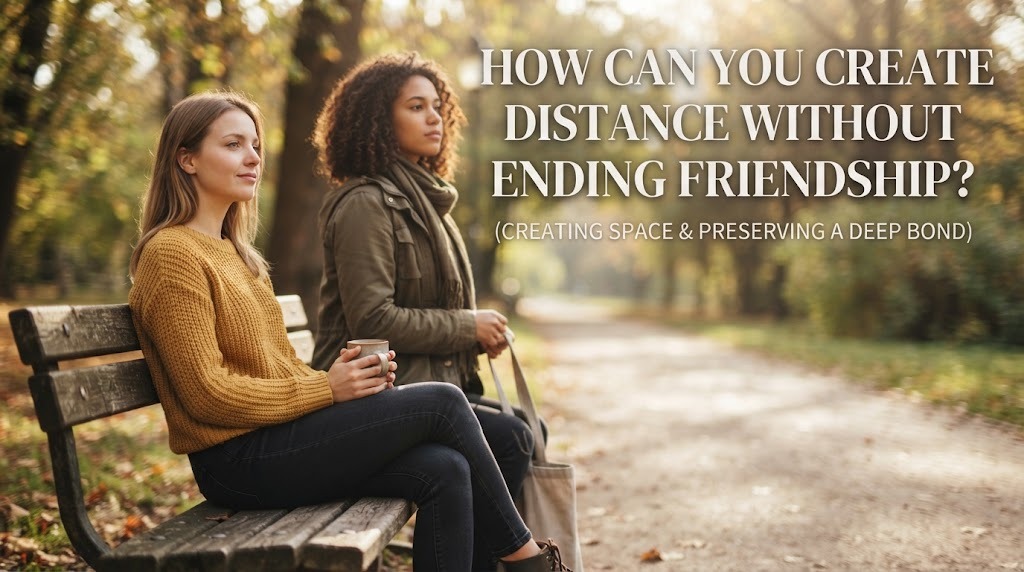
Creating distance from a friend does not always mean that you want to end the friendship. Sometimes people need more personal space because of work, study, family responsibilities, personal goals, or the need to rest. A healthy friendship can continue even when friends spend less time together. The important thing is to communicate changes clearly and respectfully. Creating reasonable distance can help protect comfort and maintain a more balanced relationship.
COMMUNICATE YOUR NEEDS HONESTLY
The first step is to explain that you need more personal space or time. You do not have to provide every personal detail if you are not comfortable doing so. A simple explanation can help your friend understand that the change is about your current needs rather than a rejection of the friendship. Choose a calm moment instead of starting the conversation during an argument. Honest communication can reduce unnecessary assumptions.
You can explain that your schedule or priorities have changed. Clear communication helps prevent your friend from misunderstanding the situation. For example, you can say that you have several responsibilities and need more time for yourself. This gives your friend useful context without creating unnecessary conflict. Being honest is generally better than suddenly becoming unavailable without explanation.
REDUCE CONTACT GRADUALLY
If you want some distance, you can gradually reduce the frequency of messages, calls, or meetups. You do not necessarily need to respond immediately to every message or accept every invitation. Create a communication routine that fits your actual availability. This can help both people adjust to a different level of contact. However, avoid deliberately ignoring someone simply to make them feel bad.
A gradual change can be easier when the friendship has previously involved frequent communication. Less contact does not automatically mean less care. You can still respond when you are available and maintain occasional conversations. The goal is to create a healthier rhythm rather than punish the other person. Consistency can make the new pattern easier to understand.
SET CLEAR PERSONAL BOUNDARIES
Creating distance becomes easier when you establish clear boundaries about your time, privacy, and availability. You can decide when you are comfortable meeting, communicating, or discussing personal matters. If you need uninterrupted time for work or study, communicate that preference clearly. Boundaries should focus on what you can control rather than trying to control your friend's behavior. This makes them more realistic and easier to maintain.
You may also need to limit how much personal information you share. Protecting your privacy can create healthy emotional space without requiring you to end the relationship. If certain topics make you uncomfortable, you can politely explain that you would rather not discuss them. A friend may need time to adjust to these changes. Consistent boundaries can help establish new expectations.
KEEP THE FRIENDSHIP POSITIVE
Creating distance does not require you to become cold or unfriendly. You can still show appreciation, kindness, and genuine care when interacting with your friend. Occasional messages, shared activities, or simple check-ins can help maintain the connection. The frequency can be lower while the quality of interactions remains meaningful. This allows the friendship to continue without requiring constant contact.
Try to avoid sending mixed signals when establishing new boundaries. Be friendly without promising more availability than you can provide. If you cannot attend an event, politely decline instead of agreeing and canceling later. Honest expectations can prevent disappointment. A friendship can remain positive when both people understand its new rhythm.
FOCUS ON YOUR OWN LIFE
One effective way to create healthy distance is to spend more time on your own priorities and activities. Focus on work, education, hobbies, family, exercise, personal goals, or other relationships. Building a fuller personal routine naturally creates space without requiring dramatic changes to the friendship. It also helps maintain your sense of independence. Your life does not need to revolve around one friendship.
Having other activities can also make friendships feel less emotionally dependent. Personal independence supports healthier relationships because each person has their own interests and responsibilities. You can enjoy time with your friend without relying on them for every social or emotional need. This balance can make future interactions more comfortable. It can also give both people new experiences to share.
BE FIRM IF YOUR BOUNDARIES ARE IGNORED
Sometimes a friend may continue expecting the same level of contact even after you have explained your needs. In that situation, repeat your boundary calmly and remain consistent with your decision. You do not need to argue or repeatedly defend your personal choices. Explain what you can realistically offer and follow through with that limit. Consistency helps make your expectations clear.
If the friend continues to ignore reasonable boundaries, creating greater distance may become necessary. You can decide how much time, information, and emotional energy you are willing to give. This does not automatically mean that the friendship must end. It means you are managing your own participation in the relationship. If you ever feel unsafe or pressured, consider seeking support from someone you trust.
CONCLUSION
You can create distance without ending a friendship by communicating honestly, reducing contact gradually, setting clear boundaries, keeping interactions positive, focusing on your own life, and remaining firm when limits are ignored. Distance can be a healthy way to manage changing needs without rejecting someone completely. The amount of space needed may differ depending on the friendship and personal circumstances. What matters is that the new boundaries are communicated respectfully and maintained consistently. With mutual understanding and personal independence, friends can remain connected while giving each other the space they need.
About the Author
Gusti Ayu Tita P
Author — STEKOM University
An active author focused on academic issues, educational technology, and human resource development in the campus environment.