How Can You Find the Nearest Gas Station During a Trip?
Gusti Ayu Tita P
17 September 2026
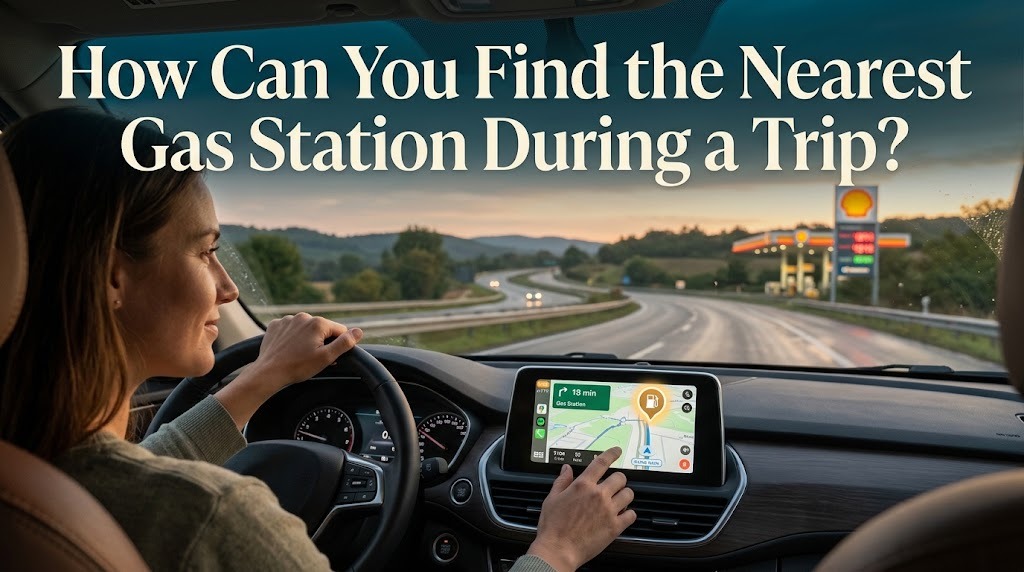
Finding a nearby gas station is important when traveling, especially when the fuel level is getting low. Drivers can use digital maps, navigation applications, or information from road signs to locate the nearest station. Planning ahead can also reduce the risk of running out of fuel in unfamiliar areas. Besides distance, drivers should consider the station’s accessibility, operating hours, and available fuel types. With the help of digital technology, finding a gas station during a trip has become easier and more convenient.
USE DIGITAL MAPS TO FIND A GAS STATION
Digital maps are one of the easiest ways to find a gas station during a trip. Applications such as Google Maps can display nearby gas stations based on the driver's current location. Users can search for terms such as gas station or fuel station to see available locations along their route. The application can also provide information such as distance, estimated travel time, business hours, and directions. This makes it easier for drivers to choose a suitable station without making unnecessary detours.
Before following the suggested route, drivers should check whether the gas station is accessible from their direction of travel. Some stations may be located across a divided highway or require a significant change in route. Checking the map carefully can help avoid unexpected delays. Drivers should also pay attention to updated information because operating hours and road conditions can change. Using digital maps responsibly can make fuel planning more efficient and practical.
CHECK GAS STATIONS ALONG YOUR ROUTE
Drivers should not only search for the nearest gas station but also look for stations along the planned route. This approach is useful when traveling long distances because the closest station at one moment may not be the most convenient option. Navigation applications can help identify several stations between the current location and the destination. Drivers can then decide where to stop based on fuel level, distance, and travel conditions. Planning a fuel stop before the tank becomes nearly empty provides an additional safety margin.
It is also useful to identify gas stations before entering areas where services may be less common. Highways, rural roads, and remote areas may have fewer fueling options than urban areas. A driver who knows where the next station is located can manage fuel consumption more confidently. When possible, checking the route before starting the journey can save time during the trip. This simple habit can also reduce the stress of searching for fuel when the fuel gauge is already low.
CONSIDER DISTANCE AND ACCESSIBILITY
The nearest gas station based on map distance is not always the most convenient choice. Drivers should consider road accessibility, traffic conditions, turns, and whether the station is located on the correct side of the road. A station that appears very close may require a longer detour because of one-way roads or divided highways. Navigation instructions should therefore be reviewed before leaving the main route. Choosing a station that can be reached safely is more important than simply choosing the shortest distance.
Drivers should also consider whether the station has enough space for vehicles to enter and leave safely. During busy periods, a crowded station may take longer to access and may cause delays. If several stations are available nearby, comparing their locations can help drivers make a practical choice. For unfamiliar destinations, map previews and road information can provide additional guidance. These steps make the process of finding a convenient fuel stop easier.
CHECK OPERATING HOURS AND AVAILABLE SERVICES
Not every gas station operates under the same schedule. Some stations may provide 24 hour service, while others may close during certain hours. Drivers traveling at night should check operating hours before relying on a particular station. Digital map listings can provide useful information, although users should remember that business information may sometimes be outdated. Checking official information when available can provide greater confidence.
The available services should also match the driver's needs. Some gas stations offer restrooms, convenience stores, ATMs, food outlets, vehicle maintenance, or air and water facilities. Electric vehicle charging may also be available at certain locations. Knowing these facilities in advance can make a long journey more comfortable. However, drivers should confirm that the specific service they need is actually available before making a detour.
PREPARE A BACKUP GAS STATION
Having a backup gas station is a useful part of trip planning. Unexpected traffic, road closures, temporary station closures, or navigation errors can make the first option unavailable. Drivers can reduce this risk by identifying another station farther along the route. This is particularly important when traveling through unfamiliar areas or locations with limited fuel services. Keeping more than one option available gives drivers greater flexibility.
Fuel planning should also take the vehicle's consumption into account. Drivers should avoid waiting until the fuel gauge is extremely low before searching for a station. A reasonable fuel reserve provides more time to respond to unexpected changes on the road. For longer trips, drivers can mark potential fueling points before departure. Good preparation can prevent unnecessary stops and reduce the possibility of running out of fuel.
CONCLUSION
Finding the nearest gas station during a trip is easier when drivers combine digital maps, route planning, and fuel management. The best option should be evaluated not only by distance but also by accessibility, operating hours, available services, and road conditions. Checking several stations along the route can provide useful alternatives if the first choice is unavailable. Drivers should also maintain enough fuel to reach the next practical stopping point. With proper planning, finding a gas station can become a simple part of a safe and comfortable journey.
About the Author
Gusti Ayu Tita P
Author — STEKOM University
An active author focused on academic issues, educational technology, and human resource development in the campus environment.