How Can You Manage a Trip Budget Without Overspending?
Gusti Ayu Tita P
17 September 2026
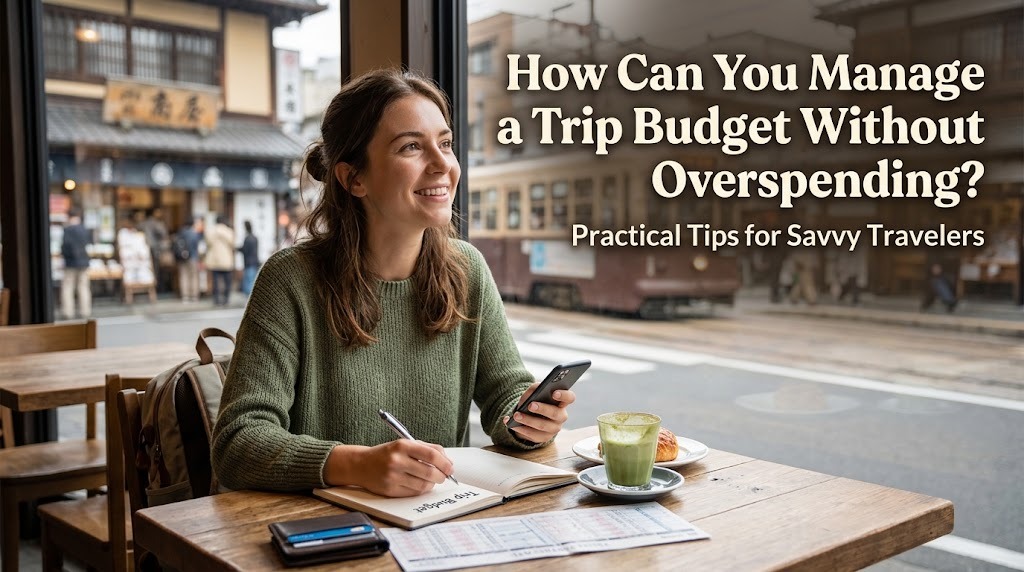
Planning a vacation is exciting, but uncontrolled spending can turn a relaxing trip into a financial burden. A trip budget helps travelers understand how much money they have, where it should be spent, and which expenses need to be limited. By planning costs before departure, travelers can enjoy their destination without constantly worrying about running out of money.
Managing a trip budget does not mean avoiding enjoyable experiences. Instead, it means making smart spending decisions and prioritizing expenses that matter most. With a clear plan, travelers can balance transportation, accommodation, food, activities, shopping, and unexpected costs while keeping their total spending within a reasonable limit.
SET A REALISTIC TRIP BUDGET
The first step in managing a trip budget is determining the maximum amount of money you can comfortably spend. Consider your income, available savings, travel duration, destination, and the number of people traveling with you. Avoid creating a budget based only on the cheapest possible prices because actual travel costs can change. A realistic budget should provide enough flexibility for necessary expenses and occasional unexpected costs.
Divide the budget into several categories such as transportation, accommodation, food, activities, shopping, and emergency expenses. This makes it easier to identify which areas require more money and which ones can be reduced. For example, a traveler may decide to spend more on comfortable accommodation while limiting shopping expenses. A clear allocation helps prevent money from being spent too quickly at the beginning of the trip.
PRIORITIZE ESSENTIAL TRAVEL EXPENSES
Not every travel expense has the same level of importance. Transportation and accommodation are usually among the main expenses that should be planned first because they directly affect the overall cost of a trip. Travelers should also estimate daily food expenses and necessary transportation at the destination. Once these essential costs are covered, the remaining budget can be allocated to entertainment and other activities.
Creating a priority list can prevent unnecessary purchases from taking money away from important needs. Essential expenses should receive priority, while optional spending can be adjusted according to the remaining budget. For example, expensive souvenirs may be skipped if transportation costs unexpectedly increase. This approach allows travelers to remain flexible without losing control of their finances.
CONTROL DAILY SPENDING DURING THE TRIP
A daily spending limit can make a trip budget much easier to manage. Before traveling, estimate how much you can spend each day on food, local transportation, activities, and other small purchases. Keeping track of expenses throughout the day can show whether you are staying within the planned limit. If spending is higher than expected on one day, you can reduce optional expenses on the following day.
Travelers can also use practical methods to control daily expenses. Comparing prices, choosing reasonably priced restaurants, using public transportation when convenient, and avoiding unnecessary impulse purchases can help reduce costs. It is also useful to separate money for essential expenses from money intended for entertainment. These simple habits can prevent small purchases from accumulating into a significant amount.
AVOID IMPULSE PURCHASES AND UNNECESSARY COSTS
Impulse purchases are one of the common reasons travelers exceed their budgets. Attractive souvenirs, spontaneous activities, expensive meals, and last minute shopping can quickly increase total spending. Before buying something, consider whether the item is genuinely useful or whether the purchase is simply influenced by the excitement of traveling. Taking a short moment to think before spending can help protect the travel budget.
Travelers should also be careful with hidden or additional costs. Some accommodations may charge extra fees, while transportation can become more expensive during busy periods. Travelers should check the total price before confirming bookings and understand what is included. Preparing for these additional costs makes the budget more accurate and reduces the possibility of unpleasant financial surprises.
PREPARE AN EMERGENCY FUND
An emergency fund is an important part of a responsible trip budget. Unexpected situations such as transportation changes, lost belongings, minor medical needs, or sudden accommodation expenses can happen during a journey. Instead of using money allocated for essential travel expenses, travelers can use a separate emergency reserve. The amount should depend on the destination, trip duration, and personal financial circumstances.
The emergency fund should be treated as money for genuine unexpected situations rather than additional spending money. Keeping it separate from the daily budget can make it easier to avoid using it unnecessarily. Travelers may also keep emergency funds in more than one secure form so that all available money is not dependent on a single payment method. This preparation provides additional financial flexibility when unexpected situations occur.
REVIEW YOUR BUDGET AFTER THE TRIP
Managing a trip budget does not end when the vacation is over. Reviewing actual expenses after returning home can help you understand where your money was spent and whether the original budget was realistic. Compare planned expenses with actual spending in categories such as transportation, accommodation, food, activities, and shopping. This information can become useful when planning future trips.
A post-trip review can also reveal spending patterns that need improvement. For example, you may discover that food expenses were higher than expected while transportation costs were lower. These observations can help you create a more accurate budget next time. Learning from previous travel expenses makes future planning more efficient and can reduce the risk of overspending.
CONCLUSION
Managing a trip budget without overspending requires planning, discipline, and flexibility. Start by setting a realistic budget, prioritizing essential expenses, and establishing daily spending limits. Avoid unnecessary purchases, prepare an emergency fund, and monitor your expenses throughout the journey. These steps can help travelers enjoy their vacation while keeping their finances under control.
A successful trip is not necessarily the one with the highest spending. Good financial planning allows travelers to enjoy meaningful experiences without creating unnecessary financial pressure. By reviewing expenses after the vacation, travelers can also improve their budgeting skills and make better decisions for future journeys.
About the Author
Gusti Ayu Tita P
Author — STEKOM University
An active author focused on academic issues, educational technology, and human resource development in the campus environment.