How Can You Overcome Fear When Traveling Alone for the First Time?
Gusti Ayu Tita P
17 September 2026
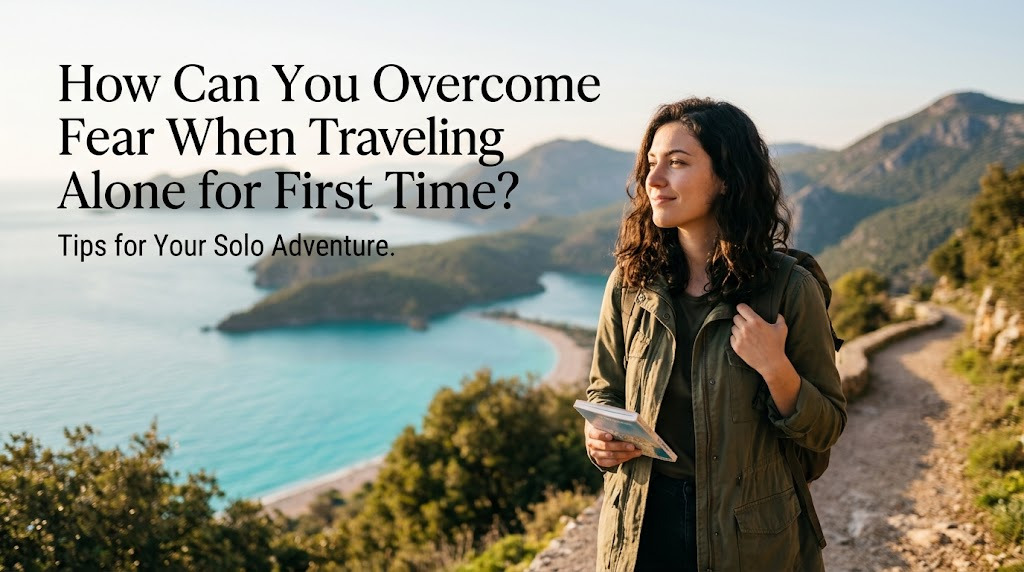
Traveling alone for the first time can feel unfamiliar, especially when you are used to traveling with family or friends. You may worry about getting lost, managing transportation, or making decisions without someone accompanying you. These feelings are normal and can become easier to manage with proper preparation. Understanding what causes your concerns can help you prepare practical solutions. With gradual preparation and a realistic plan, your first solo trip can become a valuable learning experience.
WHY CAN SOLO TRAVEL FEEL INTIMIDATING?
Solo travel can feel intimidating because you are responsible for making many decisions by yourself. You may need to choose transportation, find accommodation, manage your budget, and decide which places to visit. Being in an unfamiliar environment can also make ordinary situations feel more challenging. Lack of experience is one reason people may feel uncertain before their first solo trip. Knowing this can help you focus on preparation instead of simply worrying about the unknown.
It is also common to imagine problems before they actually happen. Instead of thinking about every possible difficulty, identify the situations that genuinely require preparation. For example, you can learn the route from the airport or station to your accommodation before leaving. Turning concerns into specific preparations can make them easier to manage. This approach helps you replace uncertainty with practical information.
HOW CAN YOU PREPARE BEFORE THE TRIP?
Begin with a destination that is suitable for your experience, available time, and budget. Research transportation, accommodation, local customs, important locations, and basic travel information before departure. Create a simple itinerary that includes your main destinations without filling every hour of the day. Good preparation can give you greater confidence because you know what to expect. Save important information on your phone and keep an offline backup when possible.
You can also practice handling small travel tasks independently before taking a longer trip. Try planning a short local outing, using public transportation, or organizing your own schedule. These experiences can help you become more comfortable with making decisions independently. Start with manageable experiences instead of immediately choosing a complicated journey. Gradual preparation can make the transition to solo travel feel more natural.
WHAT CAN YOU DO WHEN YOU FEEL NERVOUS DURING THE TRIP?
If you feel nervous during your journey, pause and focus on the next practical step instead of worrying about the entire trip. Check your itinerary, location, transportation information, or accommodation details when necessary. Taking a short break in a suitable public place can also give you time to reorganize your thoughts. You do not have to solve every travel decision immediately. Handling one situation at a time can make the journey feel more manageable.
Keep communication available by making sure your phone is charged and important contact information is accessible. If you need assistance, contact appropriate staff or trusted people rather than trying to handle an unfamiliar situation alone. Staying aware of your surroundings can also help you make more informed decisions. Asking for appropriate help is a normal part of traveling, not a sign that you have failed. The goal is to travel responsibly while becoming more confident.
HOW CAN YOU BUILD CONFIDENCE FOR FUTURE SOLO TRIPS?
After your trip, think about what went well and which situations were difficult. Write down useful lessons about transportation, accommodation, budgeting, and scheduling. This information can help you make better preparations for your next journey. Every completed travel experience can provide new practical knowledge. You can use these lessons to create a more comfortable and organized travel plan in the future.
Avoid expecting yourself to become completely confident after one trip. Confidence usually develops through experience and repeated practice. Start with destinations and activities that match your current level of experience, then gradually try new situations. Progress is more important than having a perfect travel experience. Over time, careful preparation and real experience can make solo travel feel more familiar.
CONCLUSION
Fear before a first solo trip is understandable, but careful preparation can make the experience easier to manage. Research your destination, prepare important information, create a realistic itinerary, and practice independent travel through smaller experiences. Focus on practical steps rather than worrying about every possible problem. During the journey, take one decision at a time and seek appropriate assistance when necessary. With experience and preparation, you can gradually develop greater confidence and enjoy the freedom of solo travel.
About the Author
Gusti Ayu Tita P
Author — STEKOM University
An active author focused on academic issues, educational technology, and human resource development in the campus environment.