How Can You Plan a Budget for an International Trip?
Gusti Ayu Tita P
17 September 2026
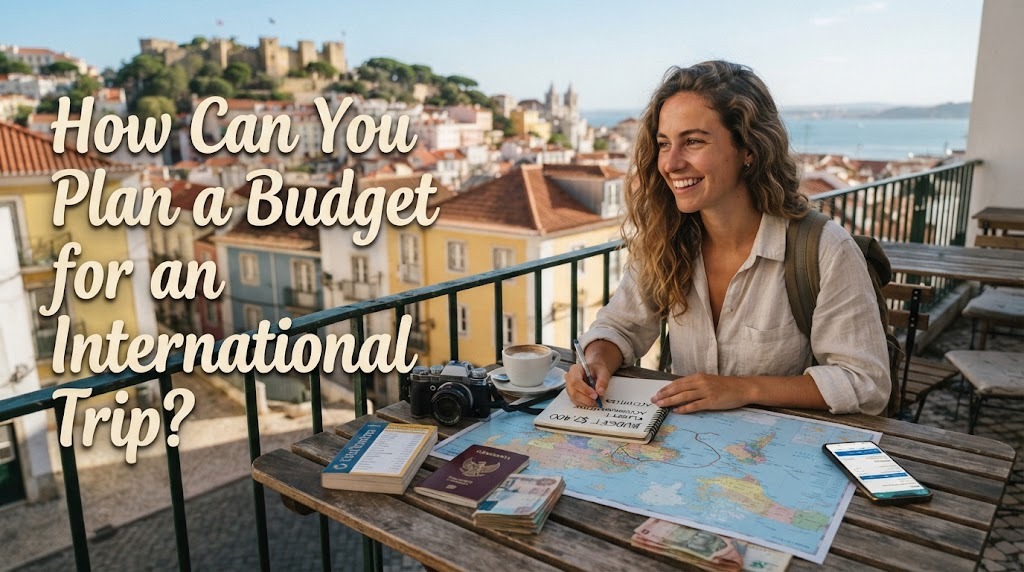
An international trip can be an exciting experience, but it also requires careful financial planning. Flight tickets, accommodation, transportation, food, attractions, and other expenses can quickly increase the total travel cost. Without a clear plan, travelers may spend more than expected and face financial problems during or after the trip. Creating a realistic international trip budget helps travelers control their spending while still enjoying their journey. A good budget should cover both planned expenses and unexpected costs.
DETERMINE YOUR TOTAL TRAVEL BUDGET
The first step is to decide how much money you can reasonably spend on the trip. Consider your financial situation and avoid using money that is needed for important daily expenses or financial commitments. Once you have a maximum amount, divide it into several categories such as flights, accommodation, food, transportation, activities, shopping, and emergency funds. This makes it easier to understand where your money will go. It also helps you decide whether your planned destination and travel duration are realistic.
Your total budget should be based on the length of the trip as well. A five-day trip will usually require a different budget from a two-week vacation. Estimate the average daily expenses and multiply them by the number of travel days. Leave some extra money for unexpected situations. This approach gives you a clearer picture of the total amount needed before booking anything.
CALCULATE FLIGHT AND ACCOMMODATION COSTS
Flights and accommodation can take up a large part of an international travel budget. Compare different flight options before making a reservation and check whether the listed price includes baggage or other additional services. A cheaper ticket may become more expensive after adding baggage, seat selection, or other fees. Flexible travel dates can also give you more options when comparing prices. Always consider the total cost instead of looking only at the basic ticket price.
Accommodation should also be chosen based on your actual needs. Compare hotels, hostels, apartments, or other suitable options based on price, location, safety, and available facilities. A slightly more expensive hotel near public transportation may sometimes reduce your daily transportation costs. Check taxes, service fees, breakfast charges, and cancellation policies before booking. This helps prevent unexpected expenses later.
SET A DAILY SPENDING LIMIT
Creating a daily spending limit is a simple way to control your expenses during an international trip. Divide your available travel money into daily categories such as meals, transportation, attractions, and personal spending. The exact amount will depend on the destination and your travel style. A daily limit gives you a practical guide instead of requiring you to monitor your entire budget at once. It can also help you identify when you are spending too much.
However, your daily budget should remain flexible. Some days may cost more because of entrance fees or special activities, while other days may require less spending. If you spend more than planned on one day, adjust your expenses on another day when possible. Avoid using your emergency fund to cover normal shopping or entertainment costs. Keeping your daily spending under control can make the trip more financially comfortable.
CHECK THE LOCAL CURRENCY AND EXCHANGE RATES
Understanding the local currency is important when planning an international trip budget. Before traveling, learn how much the destination's currency is worth compared with your home currency. This makes it easier to estimate the actual cost of meals, transportation, accommodation, and other activities. Exchange rates can change, so the amount you receive may differ from your initial estimate. Use a reliable currency converter to help with basic calculations.
You should also understand the possible costs of exchanging money or using a payment card abroad. Some providers may charge foreign transaction or currency conversion fees. Do not carry all your travel money in cash, especially when you are visiting crowded tourist areas. Having a suitable combination of cash and payment methods can provide greater flexibility. Always keep an alternative payment method available in case your main option does not work.
PREPARE AN EMERGENCY FUND
An emergency fund is an important part of a travel budget because unexpected situations can happen during an international trip. You may need extra money because of transportation changes, lost belongings, unexpected accommodation costs, or other urgent situations. This money should be kept separate from your normal daily spending budget. Avoid treating your emergency fund as extra shopping money. Its main purpose is to provide financial support when something unexpected happens.
The amount of emergency money depends on the destination, trip length, and personal circumstances. Keep it in a secure place and avoid storing all your cash in one location. You should also keep important documents and travel information accessible. Proper preparation can reduce stress when unexpected problems occur. A backup plan is especially useful when traveling far from home.
CONTROL FOOD AND SHOPPING EXPENSES
Food and shopping can easily increase your spending if they are not included in your original budget. You can save money by choosing local restaurants, food markets, or reasonably priced dining options. However, low prices should not be the only consideration because food safety and quality are also important. Decide how much you want to spend on food each day before leaving. You can still enjoy local specialties without eating at expensive restaurants for every meal.
Shopping should also have its own spending limit. Souvenirs, clothes, cosmetics, and other products can seem attractive when you are visiting a new country. Set a specific amount for personal shopping and souvenirs before the trip begins. Make a list of items you actually want instead of buying everything that catches your attention. This keeps shopping from taking money away from essential travel expenses.
USE PUBLIC TRANSPORTATION WHEN PRACTICAL
Transportation can become a significant expense, especially when travelers frequently use taxis or private rides. Public transportation such as buses, trains, and metro systems can often provide a more affordable way to explore a city. Research the local transportation system before your trip and learn how tickets or travel cards work. Check whether daily or multi-day passes are available and suitable for your itinerary. Planning routes in advance can also reduce unnecessary travel.
Location matters when choosing accommodation as well. Staying near major attractions or public transportation can reduce both travel time and transportation costs. However, safety and convenience should remain important considerations. Do not choose a very cheap location if reaching the main destinations requires expensive transportation every day. A balanced choice can help keep your travel expenses under control.
TRACK YOUR EXPENSES DURING THE TRIP
Creating a budget before traveling is useful, but tracking your actual spending is equally important. Record expenses such as meals, transportation, entrance tickets, shopping, and other purchases. You can use a simple note-taking app, spreadsheet, or budgeting application. Reviewing your expenses each day helps you understand whether you are still following your plan. It also allows you to make adjustments before your money runs too low.
If your spending is higher than expected, reduce nonessential expenses during the next few days. If you spend less than planned, keep the remaining money rather than immediately increasing your spending. Regular monitoring gives you greater control over your finances throughout the trip. It also makes it easier to understand your real travel costs for future planning.
AVOID A TOO TIGHT ITINERARY
A very busy itinerary can increase your travel costs without you realizing it. Moving between many destinations may require more transportation, food purchases, and entrance fees. Tight schedules can also create additional costs when delays force you to change transportation or make new reservations. Instead, group attractions that are located close to each other. This can reduce unnecessary travel and make the trip more relaxed.
Leave some free time in your schedule for rest and unexpected changes. You do not need to visit every attraction during one trip. Prioritize the places and activities that are most important to you. A realistic itinerary can help you enjoy the destination while keeping your international travel costs manageable.
CONCLUSION
Planning a budget for an international trip starts with determining a realistic total amount and dividing it into clear expense categories. Consider flights, accommodation, food, transportation, activities, shopping, currency exchange costs, and emergency funds. Set a daily spending limit and track your actual expenses throughout the journey. Comparing prices and choosing practical options can help reduce unnecessary costs without removing the enjoyable parts of traveling. With careful planning and flexible spending control, an international trip can be both enjoyable and financially manageable.
About the Author
Gusti Ayu Tita P
Author — STEKOM University
An active author focused on academic issues, educational technology, and human resource development in the campus environment.