How Do You Adjust a Trip Budget Based on the Travel Destination?
Gusti Ayu Tita P
17 September 2026
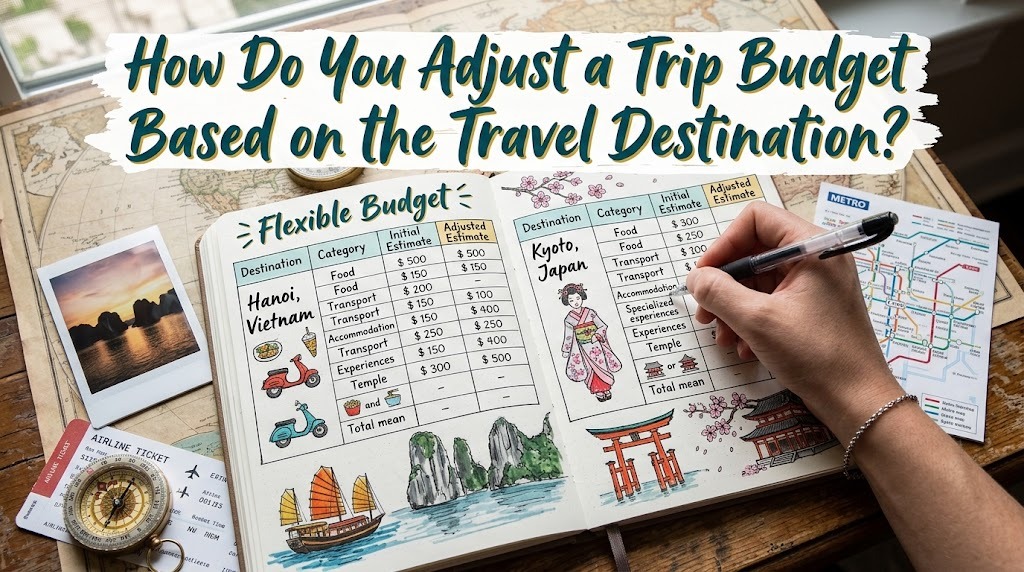
Planning a trip budget is not only about deciding how much money to bring. The travel destination has a major influence on transportation, accommodation, food, activities, and other daily expenses. A destination with a high cost of living may require a larger budget, while a more affordable location can offer more flexibility. By adjusting your budget according to the destination, you can enjoy your trip without putting too much pressure on your finances.
UNDERSTANDING DESTINATION COSTS
The first step in adjusting a trip budget is understanding the general cost of the destination. Research the average prices of accommodation, transportation, food, entrance tickets, and popular activities before deciding how much money to prepare. Cities with high living costs usually require more spending on hotels, restaurants, and local transportation. Meanwhile, smaller cities or less crowded destinations may provide more affordable options.
You should also consider the travel season because prices can change significantly depending on demand. During holidays, festivals, and peak seasons, hotels and transportation may become more expensive. In contrast, traveling during the low season can help reduce several major expenses. Comparing prices before booking allows you to create a more realistic budget based on the destination.
ADJUSTING ACCOMMODATION AND TRANSPORTATION COSTS
Accommodation and transportation often become two of the largest parts of a travel budget. The distance between your home and destination can affect transportation costs, especially when flights or long-distance trains are required. Once you arrive, the availability of public transportation, taxis, rental vehicles, or ride-hailing services can also influence your daily expenses. Therefore, you should research the most practical transportation options before setting your final budget.
Accommodation prices can vary depending on the location, facilities, and season. Staying in a central tourist area may save travel time but can cost more than staying outside the city center. If your destination has reliable public transportation, choosing accommodation farther from major attractions may be a way to reduce costs. Comparing accommodation and transportation together can help you find a balance between convenience and affordability.
PLANNING FOOD AND DAILY EXPENSES
Food expenses should be adjusted according to the destination's average prices and your eating preferences. Some destinations have affordable local food, while others are known for expensive restaurants and higher meal costs. Researching typical meal prices can help you estimate a reasonable daily food allowance. You can also reduce expenses by choosing local restaurants, food markets, or accommodations that provide breakfast.
Daily expenses should include more than just meals. You may need money for drinks, snacks, local transportation, entrance fees, parking, and small purchases during the trip. Creating a daily spending limit can prevent unnecessary expenses from reducing your funds too quickly. It is also useful to leave some flexibility because actual spending may differ from your initial estimates.
CONSIDERING ACTIVITIES AND DESTINATION SPECIFIC EXPENSES
Every destination has different attractions and activities, so these costs should be included in your budget from the beginning. Some destinations offer many free attractions, public parks, beaches, or cultural sites, while others have expensive tours and admission fees. Make a list of the activities you genuinely want to experience and check their current prices before traveling. This helps you prioritize experiences without spending beyond your available funds.
You should also consider destination specific expenses that may not appear in a basic travel estimate. These can include local tourism fees, transportation passes, equipment rental, guided tours, or special permits. If you plan to visit several attractions, check whether a city pass or combined ticket can reduce the total cost. Building these expenses into your budget makes your financial plan more accurate and reduces unexpected costs.
PREPARING FOR CURRENCY AND UNEXPECTED EXPENSES
International travel requires additional consideration because exchange rates can affect your spending power. Before traveling abroad, check the current exchange rate and estimate how much your money will be worth in the destination's currency. You should also be aware of possible bank fees, ATM charges, and foreign transaction fees. Using a combination of payment methods can provide flexibility if one payment option becomes unavailable.
An emergency fund is also important when adjusting a trip budget. Unexpected situations such as transportation changes, medical needs, lost belongings, or sudden accommodation expenses can increase your spending. Setting aside additional money that is not included in your planned daily expenses can provide financial protection. The exact amount depends on the length and nature of the trip, but having a reserve is generally safer than planning a budget with no room for unexpected costs.
CREATING A FLEXIBLE DESTINATION BASED BUDGET
After researching the destination, combine all expected expenses into one complete travel budget. Start with major costs such as transportation and accommodation, then add food, activities, local transportation, shopping, and emergency funds. Compare the estimated total with the amount you can realistically afford to spend. If the total is too high, adjust flexible categories rather than relying on additional debt or financial pressure.
A good destination based budget should remain flexible throughout the trip. Prices may change, plans can shift, and unexpected opportunities may appear. Tracking your expenses each day can show whether you are staying within your planned limits. A realistic and flexible budget allows you to enjoy the destination while maintaining better control over your finances.
CONCLUSION
Adjusting a trip budget based on the travel destination requires research and realistic planning. Destination costs, transportation, accommodation, food, activities, currency, and unexpected expenses should all be considered before traveling. The budget should reflect both the actual cost of the destination and the amount you can comfortably afford. With careful preparation and regular expense tracking, you can create a travel plan that is practical, flexible, and financially responsible.
About the Author
Gusti Ayu Tita P
Author — STEKOM University
An active author focused on academic issues, educational technology, and human resource development in the campus environment.