How Do You Set a Trip Budget for Traveling with Friends?
Gusti Ayu Tita P
17 September 2026
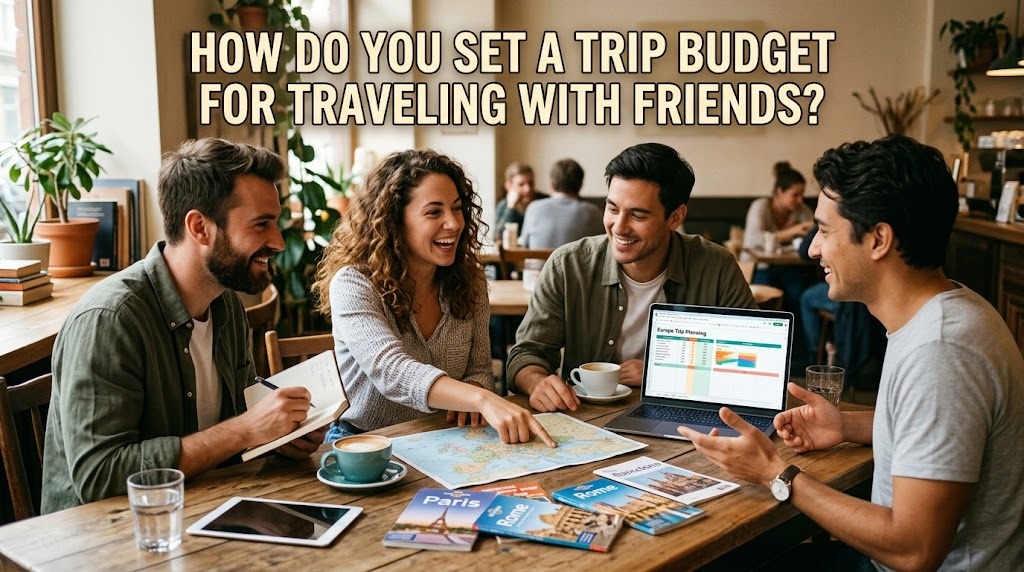
Traveling with friends can be an exciting way to create memorable experiences while exploring a new destination together. However, without proper financial planning, different spending habits can easily cause misunderstandings during the trip. A trip budget helps everyone understand how much money is needed and which expenses should be shared. It also makes it easier to decide what activities, transportation, food, and accommodation fit the group's financial situation. By creating a clear budget before leaving, friends can enjoy their journey with fewer financial concerns.
DISCUSS THE TOTAL TRIP BUDGET TOGETHER
The first step is to discuss the total trip budget with everyone who will join the journey. Each person may have a different financial situation, so it is important to agree on a realistic spending range before making reservations. Talk about the destination, travel dates, expected length of the trip, and activities that the group wants to enjoy. This discussion can prevent one person from choosing expensive options that other friends cannot comfortably afford. A shared understanding of the budget also makes financial decisions easier throughout the trip.
After deciding on a general budget, divide the expected costs into several categories. These can include transportation, accommodation, food, activities, shopping, and emergency expenses. Make a simple estimate for each category and calculate the expected cost per person. It is also useful to leave some flexibility because prices can change or unexpected expenses may appear. Everyone should know which costs are included in the agreed budget and which expenses will be paid individually.
CALCULATE SHARED AND PERSONAL EXPENSES
Not every travel expense needs to be divided equally. Shared expenses may include a hotel room, rental car, fuel, parking, or transportation that everyone uses. Personal expenses can include individual shopping, special meals, souvenirs, or optional activities. Separating these expenses from the beginning makes the payment process more transparent. It also reduces the possibility of disagreements about who should pay for something.
For shared costs, the group can calculate the total amount and divide it according to an agreed method. If everyone uses a service equally, an equal split may be appropriate. However, if people use different rooms, transportation options, or activities, the costs can be divided according to actual usage. Keeping receipts or recording payments in a shared note can help everyone track what has already been paid. Clear expense records are especially useful when several people are contributing money at different times.
CHOOSE TRANSPORTATION AND ACCOMMODATION WISELY
Transportation and accommodation often represent a significant part of a group travel budget. Compare different options before making a final decision instead of choosing the first available service. For transportation, consider ticket prices, baggage fees, local transportation, parking, fuel, and other additional charges. A cheaper ticket may not always be cheaper after extra fees are included. Choosing transportation that balances price, convenience, and travel time can help the group use its budget efficiently.
Accommodation should also be selected according to the group's needs and budget. Friends can compare hotels, hostels, apartments, or other suitable lodging options. A place with a kitchen, for example, may help reduce food costs if the group prepares some meals themselves. However, the cheapest accommodation may not always provide the best overall value if it is far from important attractions and requires expensive transportation. Location, safety, facilities, and total cost should all be considered before booking.
PLAN FOOD AND ACTIVITIES IN ADVANCE
Food expenses can become difficult to control when travelers make decisions spontaneously throughout the day. The group can create a daily food budget that includes breakfast, lunch, dinner, drinks, and occasional snacks. Researching restaurant prices before traveling can provide a more realistic estimate. Friends can also mix affordable meals with occasional special dining experiences. This approach allows the group to enjoy local food without spending too much on every meal.
Activities should also be selected according to the agreed budget. Make a list of free, low-cost, and paid activities that everyone is interested in. Some attractions may offer discounts for advance bookings, groups, students, or specific travel periods. Avoid filling every day with expensive activities simply because they are available. Prioritizing experiences that everyone genuinely wants can make the trip more enjoyable while keeping expenses under control.
PREPARE AN EMERGENCY FUND AND TRACK EXPENSES
An effective trip budget should include an emergency fund because unexpected costs can happen during any journey. Examples include medical needs, lost belongings, transportation changes, sudden accommodation requirements, or unexpected price increases. The emergency fund should be separate from the money planned for regular activities and entertainment. The exact amount depends on the destination, trip length, and personal financial situation. Keeping this reserve available can provide greater financial flexibility when unexpected situations occur.
During the trip, record expenses regularly rather than waiting until the last day. A budget tracking app, spreadsheet, or shared digital note can be used to record payments and remaining funds. Friends can update the record whenever someone pays for a shared expense. At the end of each day, quickly review the spending to see whether the group is staying within its plan. If expenses are higher than expected, the group can adjust upcoming activities before the budget becomes difficult to manage.
REVIEW THE BUDGET BEFORE AND AFTER THE TRIP
Before traveling, review the entire budget together and check whether the estimated costs are realistic. Confirm transportation prices, accommodation fees, activity costs, food estimates, and emergency funds. It is also helpful to discuss how the group will handle additional expenses if the original budget is exceeded. Agreeing on these rules before the trip can prevent uncomfortable financial conversations later. Good communication is one of the most important parts of managing money when traveling with friends.
After returning home, compare the estimated budget with the actual amount spent. Identify which categories cost more or less than expected and discuss what could be improved for the next trip. This review can help friends create more accurate budgets in the future. It can also reveal spending patterns that may be useful when planning another group vacation. A successful trip budget is not only about spending less but also about using money wisely while creating an enjoyable travel experience.
CONCLUSION
Setting a trip budget for traveling with friends requires communication, realistic planning, and consistent expense tracking. Start by agreeing on a spending range, separating shared and personal expenses, and estimating major costs such as transportation, accommodation, food, and activities. Adding an emergency fund provides extra protection against unexpected expenses. During the trip, regularly track spending and adjust the plan when necessary. With a clear financial agreement and responsible spending habits, friends can enjoy their vacation together while reducing the risk of money-related problems.
About the Author
Gusti Ayu Tita P
Author — STEKOM University
An active author focused on academic issues, educational technology, and human resource development in the campus environment.