How Should You Evacuate Safely During a Flood?
Gusti Ayu Tita P
19 September 2026
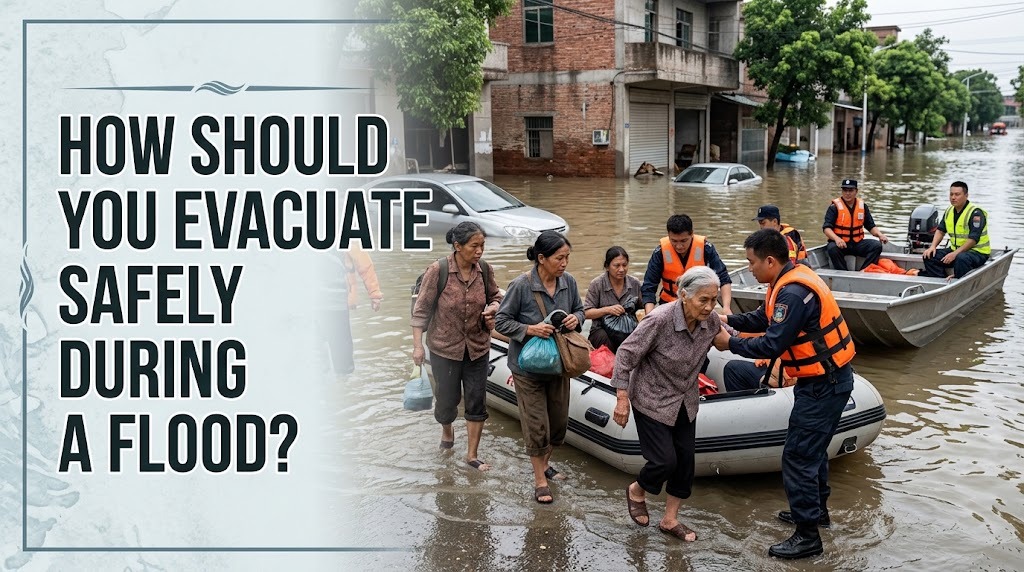
Floods can develop quickly and may make roads, homes, and public areas dangerous. Flood evacuation should be carried out carefully because moving water can hide hazards and make transportation difficult. People need to pay attention to official warnings and leave dangerous areas when authorities recommend or order evacuation. Preparing before flooding occurs can make the evacuation process faster and safer.
The safest response depends on the severity of the flood, local conditions, and instructions from emergency authorities. People should avoid waiting until water levels become extremely high before deciding what to do. Having an evacuation plan, emergency supplies, and a safe destination can reduce confusion during an emergency. Safety should always be prioritized over protecting property.
PAY ATTENTION TO FLOOD WARNINGS
The first step is to monitor official flood warnings from local authorities and emergency services. Information may be provided through emergency alerts, radio, television, official websites, or other trusted communication channels. People should take warnings seriously because flood conditions can change quickly.
When an evacuation order is issued, leave the affected area as instructed. Do not wait unnecessarily to collect belongings or valuables. If authorities recommend moving to higher ground or a designated evacuation center, follow those instructions as soon as it is safe to do so.
MOVE TO A SAFE AND HIGHER LOCATION
During flooding, people should move toward a safe location away from rising water. Depending on local instructions, this may be an evacuation center, designated shelter, or higher ground. The safest destination can vary depending on the flood location and current conditions.
Avoid areas where water is already flowing strongly or where roads have been closed. Floodwater can conceal holes, debris, damaged roads, and other hazards, making it difficult to judge how deep or dangerous the water is. People should follow marked evacuation routes and instructions from emergency personnel.
AVOID WALKING OR DRIVING THROUGH FLOODWATER
One of the most important flood safety rules is to avoid entering floodwater whenever possible. Even water that does not appear very deep can be dangerous because its depth and current may be difficult to judge. Floodwater may also contain debris or other hazards.
People should not drive through flooded roads unless emergency authorities specifically provide a safe and necessary route. A vehicle can lose traction or become disabled in moving water. If a road is blocked by floodwater, turn around and use a safe alternative route recommended by authorities.
PREPARE ESSENTIAL EMERGENCY SUPPLIES
Before evacuating, take an emergency bag if there is enough time and doing so does not delay evacuation. Useful items include drinking water, ready-to-eat food, necessary medicines, a flashlight, a first aid kit, important documents, and a charged communication device.
Supplies should be stored somewhere that is easy to access before a flood occurs. Important documents can be protected in waterproof packaging. Families should also prepare supplies based on the needs of children, elderly people, people with disabilities, and other household members who may require additional assistance.
PROTECT FAMILY MEMBERS AND PETS
Flood evacuation plans should include every member of the household. Families should know where they will meet and how they will communicate if they become separated. Children should receive simple instructions and remain with a responsible adult during evacuation.
Pets should also be included in the evacuation plan when possible. Prepare suitable food, drinking water, and transportation equipment for them. Never delay evacuation unnecessarily because of belongings or other items, especially when flood conditions are becoming dangerous.
FOLLOW OFFICIAL EVACUATION ROUTES
Use designated evacuation routes whenever authorities provide them. These routes are selected based on local risks and may help people avoid areas that are known to be dangerous. Roads can change during flooding, so an alternative route may be necessary.
Do not rely only on information from social media or messages from unknown sources. Official information should be prioritized because emergency authorities may have updated information about road closures, evacuation centers, and changing water levels. If emergency personnel provide different directions, follow their instructions.
DO NOT RETURN TOO EARLY
After reaching a safe location, remain there until authorities provide information that it is safe to return. Floodwater may remain dangerous even after rainfall stops. Damaged buildings, contaminated water, electrical hazards, and unstable roads can create risks after a flood.
People should not return simply because the water level appears to have decreased. Wait for instructions from local authorities or emergency services. When returning is permitted, follow safety guidance and avoid entering buildings that appear damaged until they have been declared safe.
CONCLUSION
Safe flood evacuation requires early preparation, attention to official warnings, safe routes, and careful movement away from rising water. People should avoid walking or driving through dangerous floodwater and should move to designated safe locations when instructed. Emergency supplies, family communication plans, and special arrangements for vulnerable family members should be prepared in advance. Most importantly, people should follow official instructions and avoid returning to affected areas until authorities confirm that it is safe.
About the Author
Gusti Ayu Tita P
Author — STEKOM University
An active author focused on academic issues, educational technology, and human resource development in the campus environment.