How To Manage Your Monthly Budget Through Frugal Living?
Gusti Ayu Tita P
17 September 2026
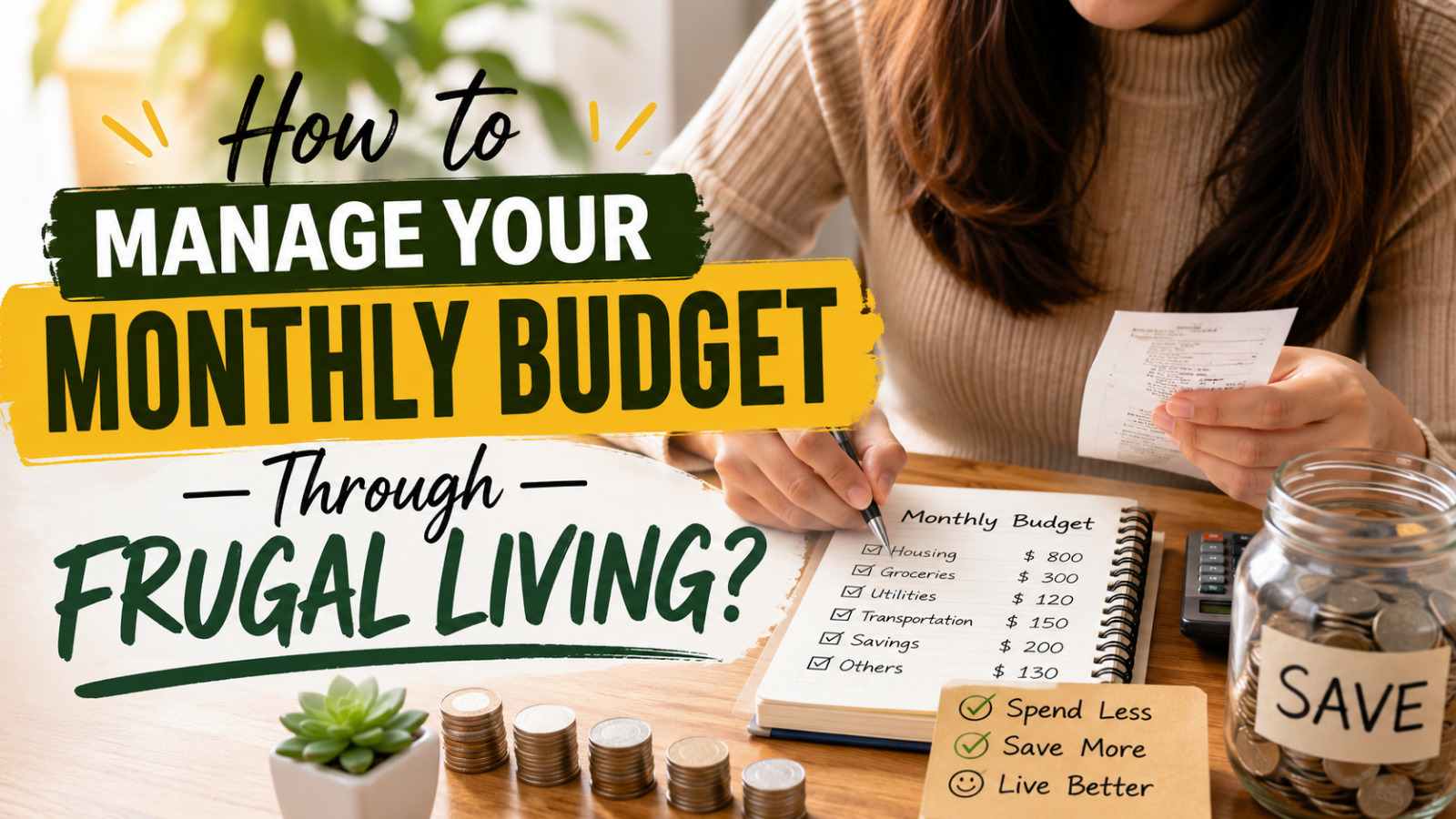
Managing personal finances is an essential skill that helps people achieve financial stability and reduce unnecessary stress. Many individuals struggle to save money because they spend without a clear plan or budget. One of the most effective ways to improve financial health is by adopting Frugal Living, a lifestyle that focuses on spending wisely rather than spending less at all costs. By making intentional financial decisions, anyone can enjoy a comfortable life while building long-term savings.
Frugal living does not mean sacrificing happiness or avoiding every enjoyable activity. Instead, it encourages people to prioritize their needs, eliminate wasteful spending, and maximize the value of every dollar they earn. With proper planning and consistent habits, managing a monthly budget becomes much easier and more sustainable.
WHAT IS FRUGAL LIVING?
Frugal Living is a financial approach that emphasizes smart spending, careful budgeting, and making the most of available resources. It is about purchasing items based on necessity and value instead of impulse or temporary desires. People who practice frugal living focus on long-term financial security rather than short-term satisfaction.
This lifestyle also encourages developing healthy financial habits that can lead to greater savings over time. Whether someone has a high income or a limited salary, frugal living can help improve financial stability. The key is making thoughtful decisions before every purchase and understanding the difference between needs and wants.
CREATE A REALISTIC MONTHLY BUDGET
The first step toward better financial management is creating a Monthly Budget that accurately reflects your income and expenses. Begin by listing all sources of income, followed by fixed expenses such as rent, utilities, insurance, and transportation. Then include variable expenses like groceries, entertainment, dining out, and shopping.
A realistic budget should also allocate money for Emergency Savings and future financial goals. Reviewing your budget every month allows you to identify unnecessary expenses and adjust your spending habits accordingly. Consistency is more important than perfection, as small improvements eventually create significant financial benefits.
PRIORITIZE NEEDS OVER WANTS
One of the biggest challenges in personal finance is distinguishing between essential needs and optional wants. Before buying anything, ask yourself whether the purchase is truly necessary or simply driven by impulse. This simple habit can significantly reduce unnecessary spending.
By prioritizing necessities first, you ensure that important financial obligations are always covered. Over time, this mindset helps develop stronger financial discipline while allowing you to save more money for future goals. Practicing this habit regularly is one of the foundations of successful frugal living.
TRACK EVERY EXPENSE
Keeping track of daily expenses provides a clear picture of where your money goes each month. Even small purchases, such as coffee or snacks, can accumulate into a substantial amount over time. Recording every expense helps identify spending patterns that may otherwise go unnoticed.
Many budgeting applications and spreadsheets make expense tracking simple and convenient. Reviewing your records regularly allows you to find opportunities to reduce unnecessary costs and improve your overall Money Management strategy. Accurate tracking also helps prevent overspending before it becomes a financial problem.
REDUCE UNNECESSARY EXPENSES
Reducing unnecessary expenses does not require giving up everything you enjoy. Instead, focus on eliminating purchases that provide little long-term value. Examples include excessive online shopping, unused subscriptions, and frequent impulse purchases.
Consider comparing prices before buying products, using discounts responsibly, and preparing meals at home instead of eating out frequently. These simple adjustments can produce noticeable monthly savings without reducing your overall quality of life. Every dollar saved contributes to greater financial security.
BUILD AN EMERGENCY SAVINGS FUND
Unexpected expenses such as medical bills, vehicle repairs, or home maintenance can disrupt any financial plan. Building an Emergency Savings fund provides financial protection during these situations and reduces dependence on loans or credit cards.
Aim to save a small percentage of your income every month, regardless of the amount. Consistent contributions gradually create a financial cushion that provides peace of mind. Having emergency savings also allows you to stay committed to your monthly budget when unexpected events occur.
DEVELOP LONG TERM FINANCIAL HABITS
Frugal living is not a temporary challenge but a sustainable lifestyle that encourages responsible financial behavior. Small daily decisions, such as avoiding impulse purchases or comparing prices, can generate significant long-term savings. Maintaining these habits consistently leads to greater financial confidence.
Setting clear financial goals also helps maintain motivation and discipline. Whether saving for education, retirement, travel, or home ownership, every wise financial decision moves you closer to achieving those objectives. Patience and consistency remain the most valuable tools for lasting financial success.
CONCLUSION
Managing your monthly budget through Frugal Living is one of the most practical ways to improve financial health and achieve long-term stability. By creating a realistic budget, prioritizing essential needs, tracking expenses, reducing unnecessary spending, and building emergency savings, you can take full control of your finances. Consistent financial discipline allows you to save more, reduce stress, and confidently work toward your future financial goals.
About the Author
Gusti Ayu Tita P
Author — STEKOM University
An active author focused on academic issues, educational technology, and human resource development in the campus environment.