Strategies To Become An Active And Professional Campus Volunteer
Gusti Ayu Tita P
17 September 2026
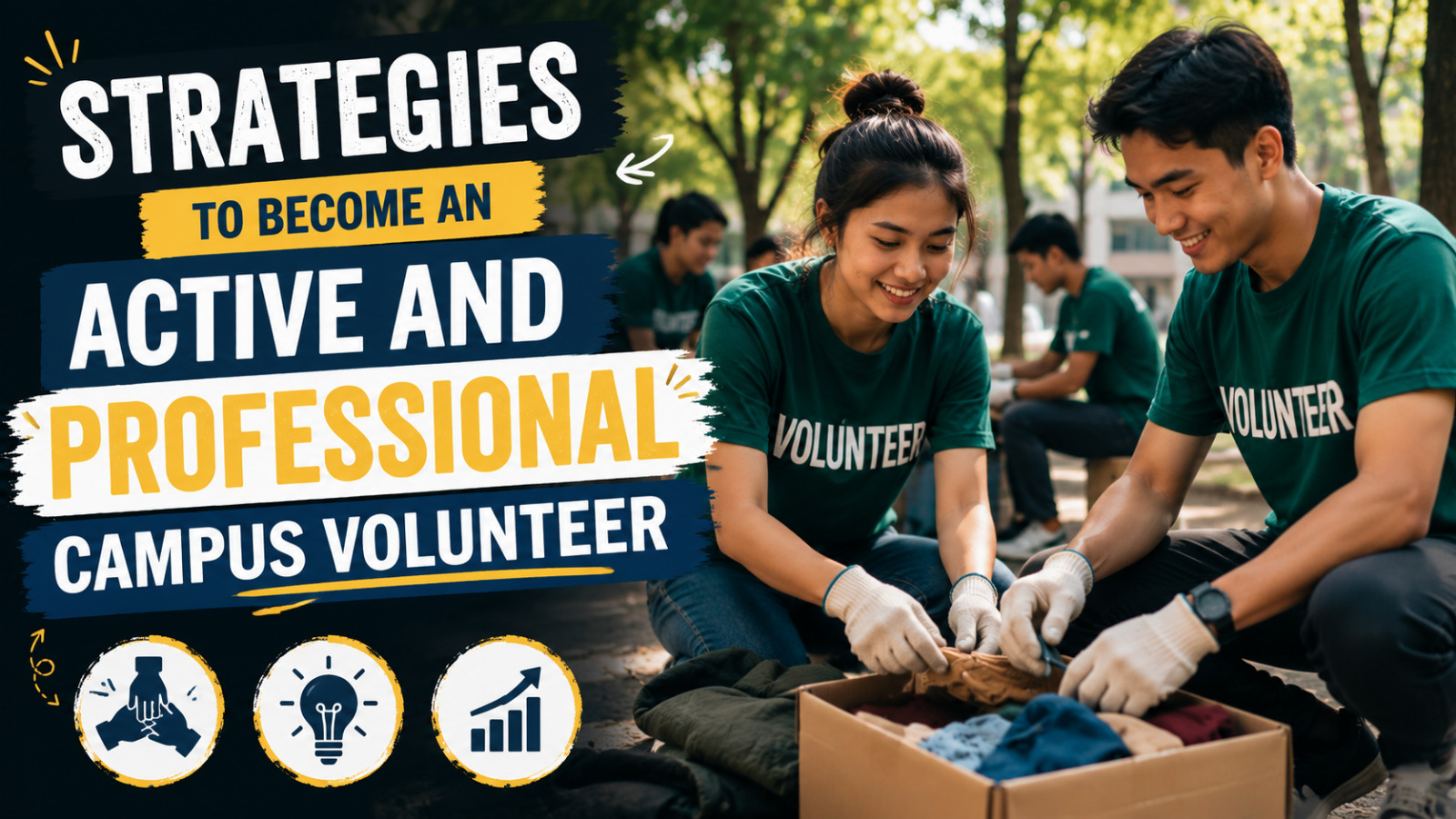
Becoming a campus volunteer is one of the best ways for students to develop valuable skills beyond the classroom. Through volunteer activities, students gain practical experience in leadership, teamwork, communication, and problem-solving while contributing positively to the campus community. However, being active is not enough. A successful volunteer must also demonstrate professionalism, responsibility, and commitment in every task they undertake.
Students who understand effective volunteering strategies can maximize both their academic performance and organizational contributions. By adopting the right mindset and continuously improving their abilities, they can build a strong reputation and prepare themselves for future career opportunities.
DEVELOP STRONG TIME MANAGEMENT SKILLS
Time Management is the foundation of becoming an effective campus volunteer. Many students struggle because they cannot balance academic responsibilities with organizational activities. Without proper planning, assignments, meetings, and volunteer events can quickly become overwhelming. Managing time wisely helps students stay productive without sacrificing their academic performance.
Creating a weekly schedule is an excellent way to organize priorities. Students should allocate specific hours for studying, volunteering, resting, and personal activities. Using digital calendars or productivity applications can also improve scheduling efficiency. Effective planning ensures that every responsibility receives the attention it deserves.
IMPROVE COMMUNICATION AND TEAMWORK
Successful volunteers know that effective communication is essential for every campus activity. Sharing ideas clearly, listening actively, and respecting different opinions create a positive working environment. Miscommunication often leads to delays, confusion, and unnecessary conflicts within the team. Therefore, developing communication skills should be a top priority.
Strong Teamwork Skills allow volunteers to collaborate efficiently toward common goals. Students should support fellow members, provide constructive feedback, and remain open to suggestions. Building trust among team members strengthens cooperation and improves overall project outcomes. Good communication also reflects professionalism and leadership.
TAKE RESPONSIBILITY FOR EVERY TASK
A Professional Volunteer always completes assigned responsibilities with dedication and integrity. Whether handling a small assignment or leading a major event, every task deserves equal attention and commitment. Being dependable helps build trust among organization leaders and fellow volunteers. Reliability is one of the qualities that distinguishes exceptional volunteers.
Students should avoid procrastination and always meet deadlines. If challenges arise, they should communicate them immediately instead of ignoring the problem. Taking ownership of mistakes and learning from them demonstrates maturity and accountability. Personal Responsibility is a valuable characteristic that employers highly appreciate.
CONTINUOUSLY DEVELOP LEADERSHIP SKILLS
Campus volunteering provides an excellent opportunity to strengthen Leadership Skills. Leadership is not only about managing others but also about inspiring, motivating, and setting a positive example. Students who actively seek leadership opportunities gain confidence while learning how to make sound decisions under pressure. These experiences become valuable assets for future careers.
Leadership development also requires continuous learning. Participating in workshops, seminars, and organizational training programs can significantly improve management abilities. Seeking feedback from mentors and experienced volunteers helps identify areas for improvement. Continuous Growth enables volunteers to become more capable leaders over time.
MAINTAIN A PROFESSIONAL ATTITUDE
Professionalism should be reflected in every interaction, whether with lecturers, fellow students, or external partners. Being punctual, respectful, honest, and well-prepared demonstrates a strong work ethic. These qualities help create a positive image of both the volunteer and the organization they represent. Professional behavior also increases credibility and trust.
Students should remain calm when facing challenges and avoid emotional reactions during difficult situations. Showing respect toward different opinions encourages healthy collaboration and problem-solving. Maintaining a positive attitude allows volunteers to handle responsibilities more effectively. Professional Conduct leaves a lasting impression on everyone involved.
NEVER STOP LEARNING AND EVALUATING YOURSELF
The most successful volunteers understand that learning never ends. Every event, project, and experience provides valuable lessons that contribute to personal development. Students should regularly evaluate their strengths and identify areas that need improvement. Self-reflection encourages continuous progress and prevents repeated mistakes.
Constructive feedback from supervisors, mentors, and teammates should always be welcomed. Instead of viewing criticism negatively, volunteers should use it as motivation for improvement. Reading books, attending training sessions, and expanding knowledge also support long-term success. Continuous Improvement is the key to becoming an outstanding campus volunteer.
CONCLUSION
Becoming an active and professional Campus Volunteer requires more than enthusiasm. Students must develop Time Management, improve Leadership Skills, strengthen communication, demonstrate responsibility, maintain professionalism, and continuously evaluate their performance. These strategies help volunteers contribute more effectively while maintaining academic excellence. By consistently applying these principles, students can build valuable experiences, expand professional networks, and prepare themselves for successful careers after graduation.
About the Author
Gusti Ayu Tita P
Author — STEKOM University
An active author focused on academic issues, educational technology, and human resource development in the campus environment.