Success Secrets Of Youngest Children In Developing Potential And Career Growth
Gusti Ayu Tita P
7 September 2026
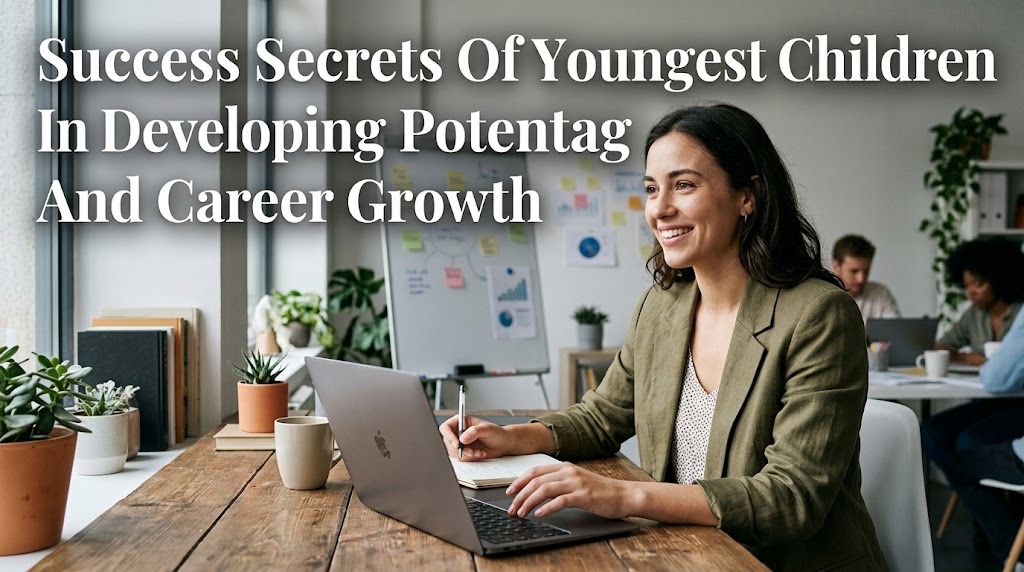
Every person has unique abilities that can be developed into valuable strengths for the future. Youngest children may grow up with experiences that encourage them to observe others, communicate with different personalities, and adapt to changing situations. These experiences can become useful foundations for personal development and career growth.
However, success is not determined simply by birth order. Education, skills, discipline, environment, experience, and personal choices play important roles in achieving long-term goals. Youngest children can maximize their potential by understanding their strengths and developing habits that support continuous growth.
UNDERSTANDING PERSONAL POTENTIAL
The first step toward success is understanding personal potential. Youngest children can identify activities they enjoy and skills they perform well. These abilities may include creativity, communication, teamwork, adaptability, or problem solving.
Understanding personal potential can help them choose goals that match their interests and abilities. They can also recognize areas that require further improvement. By knowing their strengths and weaknesses, they can create a more focused personal development strategy.
BUILDING STRONG SELF CONFIDENCE
Self-confidence can influence how someone approaches challenges and opportunities. Youngest children may sometimes compare themselves with older siblings who have different achievements or experiences. Instead of focusing on comparisons, they should recognize their own progress.
Confidence can be developed through preparation, practice, and experience. Completing small goals can provide motivation to take on larger challenges. Strong self-confidence can help youngest children communicate ideas, make decisions, and pursue career opportunities more effectively.
DEVELOPING USEFUL SKILLS
Skills are important assets for personal and professional development. Youngest children should identify the abilities that are relevant to their educational and career goals. Technical skills can be combined with soft skills such as communication, teamwork, leadership, and problem solving.
Skill development should be a continuous process. They can learn through courses, books, practical projects, internships, organizations, and other educational experiences. Developing relevant professional skills can increase their readiness for future opportunities.
USING ADAPTABILITY AS A STRENGTH
Adaptability can be valuable when dealing with changes and unfamiliar situations. Youngest children may have experience adjusting to different personalities and circumstances within their families. This experience can potentially help them become comfortable with change.
In the workplace, adaptability can help employees respond to new technologies, responsibilities, and working methods. Youngest children can strengthen this quality by remaining open to new knowledge and experiences. Combining adaptability with continuous learning can support long-term career development.
BUILDING POSITIVE PROFESSIONAL RELATIONSHIPS
Relationships can play an important role in personal and career growth. Youngest children can use their communication abilities to build positive connections with classmates, teachers, colleagues, mentors, and other professionals. Good relationships can provide opportunities to exchange ideas and learn from different experiences.
Professional relationships should be based on respect and mutual support. Youngest children should practice listening, communicating clearly, and maintaining appropriate professional boundaries. Building a strong professional network can provide valuable knowledge and opportunities throughout their careers.
LEARNING FROM FAILURE AND FEEDBACK
Failure is a normal part of personal and professional development. Youngest children may experience mistakes, rejection, or criticism while pursuing their goals. These experiences should not automatically be viewed as signs of inability.
Constructive feedback can help identify areas that need improvement. Instead of avoiding mistakes, they can analyze what happened and use the experience to develop better strategies. A growth mindset can help youngest children remain motivated and continue improving after difficult experiences.
MAINTAINING CONSISTENT ACTION
Having goals is important, but achieving them requires consistent action. Youngest children can divide large ambitions into smaller tasks that are easier to manage. Setting deadlines and reviewing progress can help them stay focused.
Consistency is often more valuable than making a strong effort only occasionally. Developing productive routines can make progress more sustainable over time. By combining discipline, patience, and consistent effort, youngest children can gradually turn their potential into meaningful achievements.
CONCLUSION
The success of youngest children can be supported by understanding personal potential, building confidence, developing useful skills, strengthening adaptability, creating professional relationships, learning from failure, and maintaining consistent action. These habits can help them become more prepared for educational and career challenges.
Being the youngest child does not guarantee success or determine someone's future. Every individual has different abilities, experiences, and opportunities. By continuing to learn and improve, youngest children can transform their unique strengths into valuable personal and professional advantages.
About the Author
Gusti Ayu Tita P
Author — STEKOM University
An active author focused on academic issues, educational technology, and human resource development in the campus environment.