Tips For Developing Planning Skills Through Trip Itinerary Planning
Gusti Ayu Tita P
17 September 2026
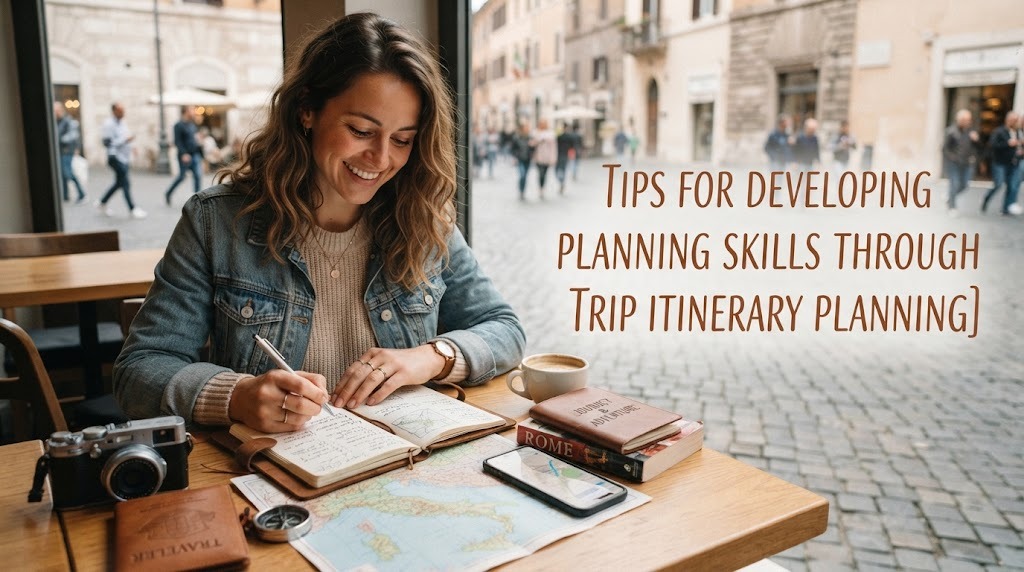
Planning skills are important in many activities, including education, work, and daily life. One simple way to practice these skills is by creating a Trip Itinerary before traveling. The process requires people to arrange destinations, schedules, transportation, activities, and expenses in a clear order. It also encourages travelers to think about priorities and prepare for possible changes. With regular practice, itinerary planning can help develop better planning habits that can be useful in different situations.
SETTING CLEAR TRAVEL GOALS
The first step in developing planning skills is to determine clear goals for the trip. Travelers need to understand what they want to experience, which places they want to visit, and how much time they have available. Clear goals make it easier to decide which activities should be included in the itinerary. They also help prevent unnecessary activities that may take too much time. By setting priorities from the beginning, travelers can practice Goal Setting in a practical situation.
Clear goals are also useful when planning academic or professional activities. Students can set targets for completing assignments, while employees can establish objectives for their projects. The same planning process can be applied by identifying the desired result before starting an activity. This makes the steps easier to organize and evaluate. Therefore, travel planning can provide a simple opportunity to practice setting realistic goals.
CREATING A STRUCTURED TRAVEL SCHEDULE
A structured schedule helps travelers understand how their time will be used during the journey. Each destination and activity can be arranged according to location, distance, and available time. Transportation and rest periods should also be included to create a realistic plan. This approach helps travelers avoid scheduling too many activities in a short period. It also develops Schedule Planning skills that are useful in many areas of life.
Creating a schedule teaches people to divide large plans into smaller activities. Each activity can be given a specific time or priority based on its importance. This makes the overall plan easier to follow and adjust when necessary. Students can use the same method when organizing study schedules and assignment deadlines. Employees can also apply it when arranging meetings and project tasks.
PRIORITIZING IMPORTANT ACTIVITIES
Not every activity has the same level of importance during a trip. Travelers may need to choose between several destinations because of limited time or budget. Important activities should be placed higher on the itinerary so they are less likely to be missed. Less important activities can be added when enough time remains. This process helps develop Priority Management and encourages more careful decision making.
Prioritization is useful when people have several responsibilities at the same time. Students may need to complete assignments with different deadlines, while employees may handle several tasks during a working day. Identifying which activity should be completed first can make responsibilities easier to manage. Travel planning provides a practical example of how priorities can affect a schedule. This habit can gradually improve a person's ability to create realistic plans.
PREPARING ALTERNATIVE PLANS
A good itinerary should not only contain the main plan but also consider possible changes. Weather conditions, transportation delays, closed attractions, or unexpected situations can affect travel schedules. Preparing alternative activities can help travelers respond without losing too much time. This develops Backup Planning and encourages people to think ahead. Having another option can also make travelers feel more prepared during the journey.
Alternative planning is valuable in academic and professional situations as well. A project may experience technical problems, schedule changes, or unavailable resources. Preparing another method before a problem occurs can reduce the impact of unexpected situations. This teaches people to remain flexible while still following their main objectives. Through itinerary planning, travelers can practice preparing solutions before they are needed.
REVIEWING AND IMPROVING THE ITINERARY
Reviewing an itinerary before traveling is an important part of the planning process. Travelers can check whether the schedule is realistic, the destinations are correctly arranged, and the estimated expenses are suitable. They can also identify activities that may take too much time or create unnecessary travel distances. Making improvements before departure can create a more efficient plan. This habit develops Plan Evaluation skills and encourages continuous improvement.
After completing the trip, travelers can review what worked well and what could be improved. They may discover that some activities required more time than expected or that certain schedules were too crowded. This information can be used to create better itineraries in the future. The habit of reviewing results is also useful in school and professional activities. It helps people learn from experience and improve their planning methods over time.
CONCLUSION
Developing planning skills through Trip Itinerary planning can provide useful experience for everyday life. Travelers can practice Goal Setting, Schedule Planning, Priority Management, Backup Planning, and Plan Evaluation. These activities teach people to organize information, manage time, set priorities, and prepare for possible changes. The skills developed through travel planning can also support academic and professional responsibilities. With regular practice, creating an itinerary can become a practical way to build stronger and more organized planning habits
About the Author
Gusti Ayu Tita P
Author — STEKOM University
An active author focused on academic issues, educational technology, and human resource development in the campus environment.