Tips for Saving Money During an International Trip
Gusti Ayu Tita P
17 September 2026
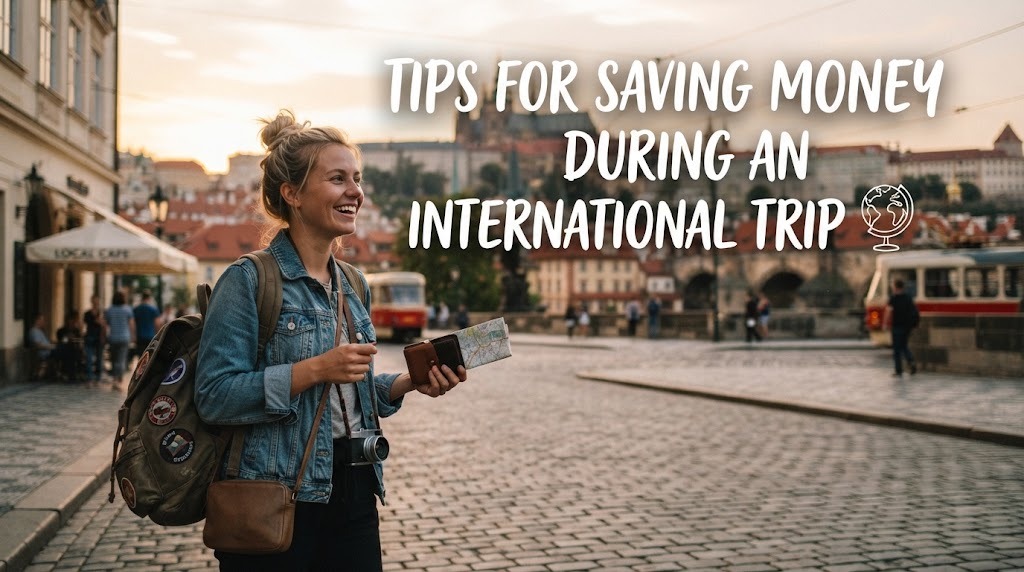
An international trip can be exciting, but travel expenses can quickly increase without proper planning. Flights, accommodation, food, transportation, activities, and shopping can all affect your total spending. Fortunately, saving money does not mean you have to sacrifice the quality of your travel experience. With smart planning and careful spending, you can enjoy an international trip while keeping your budget under control.
SET A REALISTIC TRAVEL BUDGET
Start by determining how much money you can comfortably spend on the entire trip. Divide the budget into categories such as flights, accommodation, food, transportation, activities, shopping, and emergency expenses. Setting a daily spending limit can also help you avoid using too much money at the beginning of the trip. Leave some extra funds for unexpected costs. A realistic budget gives you a clear guide for making spending decisions.
COMPARE FLIGHT PRICES
Flights can be one of the largest expenses during an international trip. Compare prices from different airlines and booking platforms before making a reservation. If your schedule is flexible, consider checking different travel dates because prices can vary significantly. Pay attention to baggage fees, seat selection, and other additional charges when comparing tickets. Choosing a cheaper ticket with reasonable conditions can help reduce your overall travel costs.
CHOOSE AFFORDABLE ACCOMMODATION
Accommodation does not always have to be expensive to be comfortable. Compare hotels, hostels, guesthouses, and other suitable lodging options based on location, facilities, and reviews. Staying slightly outside major tourist areas may offer lower prices, although transportation costs should also be considered. Look for accommodations that provide useful facilities such as breakfast, a kitchen, or free Wi-Fi. Choosing accommodation based on total value rather than price alone can help you save more effectively.
USE PUBLIC TRANSPORTATION
Public transportation is often a practical way to reduce travel expenses. Depending on the destination, trains, buses, subways, or other local transportation may cost less than taxis or private transfers. Research transportation passes and fare systems before your trip. Walking can also be a good option for short distances while allowing you to explore the area. However, choose transportation based on safety, convenience, and the distance you need to travel.
SAVE MONEY ON FOOD
Eating at tourist-oriented restaurants for every meal can make your budget increase quickly. Consider trying local restaurants, food markets, or affordable eateries that are popular with residents. If your accommodation provides a kitchen or breakfast, use these facilities when practical. You can also carry water and simple snacks to avoid unnecessary purchases while sightseeing. Enjoying local food does not always require spending a lot of money.
LOOK FOR FREE ACTIVITIES
Many destinations offer interesting activities that do not require expensive admission fees. Public parks, walking areas, historic neighborhoods, markets, beaches, and some museums may be free or inexpensive to visit. Research free attractions before creating your itinerary. You can combine free activities with a few paid experiences that are important to you. This approach can keep your trip enjoyable without putting too much pressure on your budget.
CONTROL SHOPPING EXPENSES
Shopping can become a major source of unexpected spending during an international trip. Before buying souvenirs, compare prices and consider whether the item is genuinely useful or meaningful. Set a specific shopping budget and avoid making purchases simply because something looks attractive or is promoted as a special deal. Remember to consider your luggage space and possible baggage costs. Thoughtful shopping can help you enjoy souvenirs without exceeding your travel budget.
CHECK CURRENCY AND PAYMENT FEES
Currency conversion and payment fees can affect your actual travel expenses. Before traveling, learn about the local currency and understand how exchange rates work. Check whether your bank or payment provider charges foreign transaction or withdrawal fees. When using ATMs or payment terminals, pay attention to the currency conversion options presented to you. Understanding these costs can help you avoid unnecessary charges during your trip.
TRACK YOUR DAILY EXPENSES
Keeping track of your spending makes it easier to stay within your budget. Record expenses for food, transportation, attractions, shopping, and other purchases throughout the day. A simple notes application or budgeting app can be enough for this purpose. Review your spending regularly to see whether you are approaching your daily or total limit. If you spend more than planned on one day, adjust your expenses on the following days.
PLAN YOUR ITINERARY CAREFULLY
A well-planned itinerary can help reduce unnecessary expenses. Group attractions that are located near each other to minimize transportation costs and travel time. Avoid creating a schedule that requires frequent long-distance transfers between different areas. Leave enough flexibility for unexpected changes instead of booking too many activities in advance. Efficient planning allows you to spend more time enjoying the destination while using your money more wisely.
CONCLUSION
Saving money during an international trip is mainly about making thoughtful decisions before and during your journey. Setting a realistic budget, comparing flights, choosing suitable accommodation, and using affordable transportation can reduce major expenses. You can also save by choosing local food, enjoying free activities, controlling shopping, and tracking daily spending. With careful planning, you can have a memorable international trip without spending more than you can afford.
About the Author
Gusti Ayu Tita P
Author — STEKOM University
An active author focused on academic issues, educational technology, and human resource development in the campus environment.