
Unpacking The Roots of Student Overthinking in Competitive Learning Environments
Gusti Ayu Tita P
18 Februari 2026
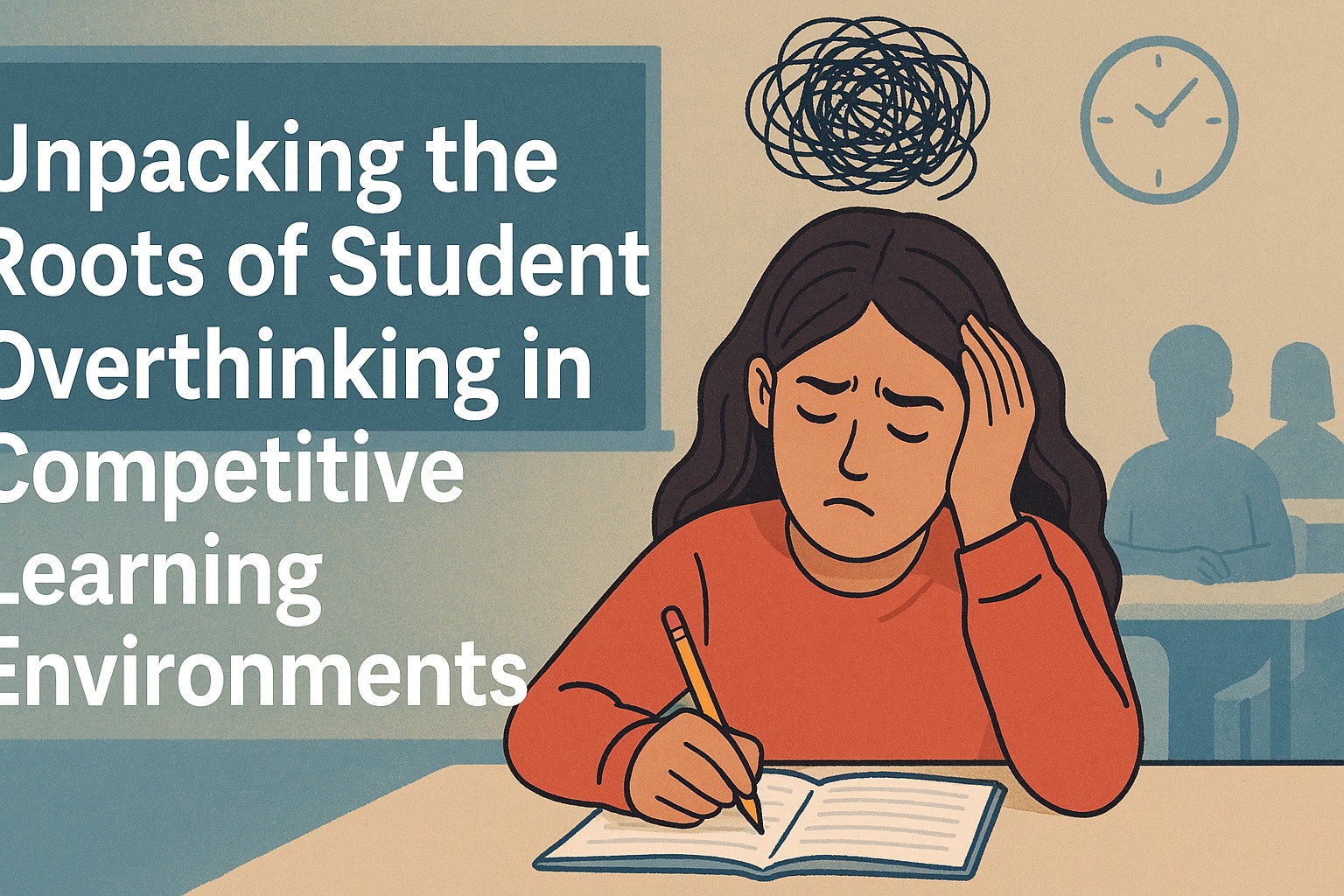
Overthinking has become a common challenge among students, particularly in highly competitive academic environments. While some level of reflection is healthy, excessive rumination can hinder learning, increase stress, and affect overall mental health. Understanding the underlying causes of overthinking is essential for students and educators seeking to create more supportive and effective learning experiences.
CAUSES OF STUDENT OVERTHINKING
Several factors contribute to the pervasive overthinking observed in competitive campuses. High academic expectations from professors, parents, and peers encourage constant self-evaluation. Perfectionism reinforces the need to avoid mistakes at all costs, leading to obsessive analysis of performance. Social comparison amplifies pressure, as students measure themselves against peers and fear falling behind. Additionally, the constant fear of evaluation—whether through grades, verbal feedback, or informal judgment—keeps the mind in a heightened state of alert even after tasks are completed.
IMPACT ON STUDENTS
The consequences of overthinking extend beyond immediate academic performance. Students may experience anxiety, decreased focus, and reluctance to participate in class or presentations. Chronic rumination can lead to emotional exhaustion, decreased motivation, and even burnout. Over time, the habit of overanalyzing every action or decision may interfere with creativity, risk-taking, and overall personal growth, creating a cycle that is difficult to break without conscious intervention.
STRATEGIES TO MANAGE OVERTHINKING
Addressing overthinking requires a combination of self-awareness, cognitive strategies, and supportive environments. Mindfulness practices help students recognize obsessive thought patterns and maintain focus on the present. Structured reflection allows them to review performance constructively without excessive rumination. Engaging with mentors or peers for feedback provides reality checks and reduces self-critical distortions. Fostering a growth-oriented mindset—where effort and learning are prioritized over flawless outcomes—encourages resilience and diminishes the mental burden of constant evaluation.
CONCLUSION
Overthinking is a complex phenomenon rooted in competitive learning cultures, perfectionism, social comparison, and fear of evaluation. By understanding its causes and implementing practical strategies, students can reduce mental strain, improve their academic experience, and cultivate healthier habits for long-term personal and professional development.
About the Author
Gusti Ayu Tita P
Author — STEKOM University
An active author focused on academic issues, educational technology, and human resource development in the campus environment.