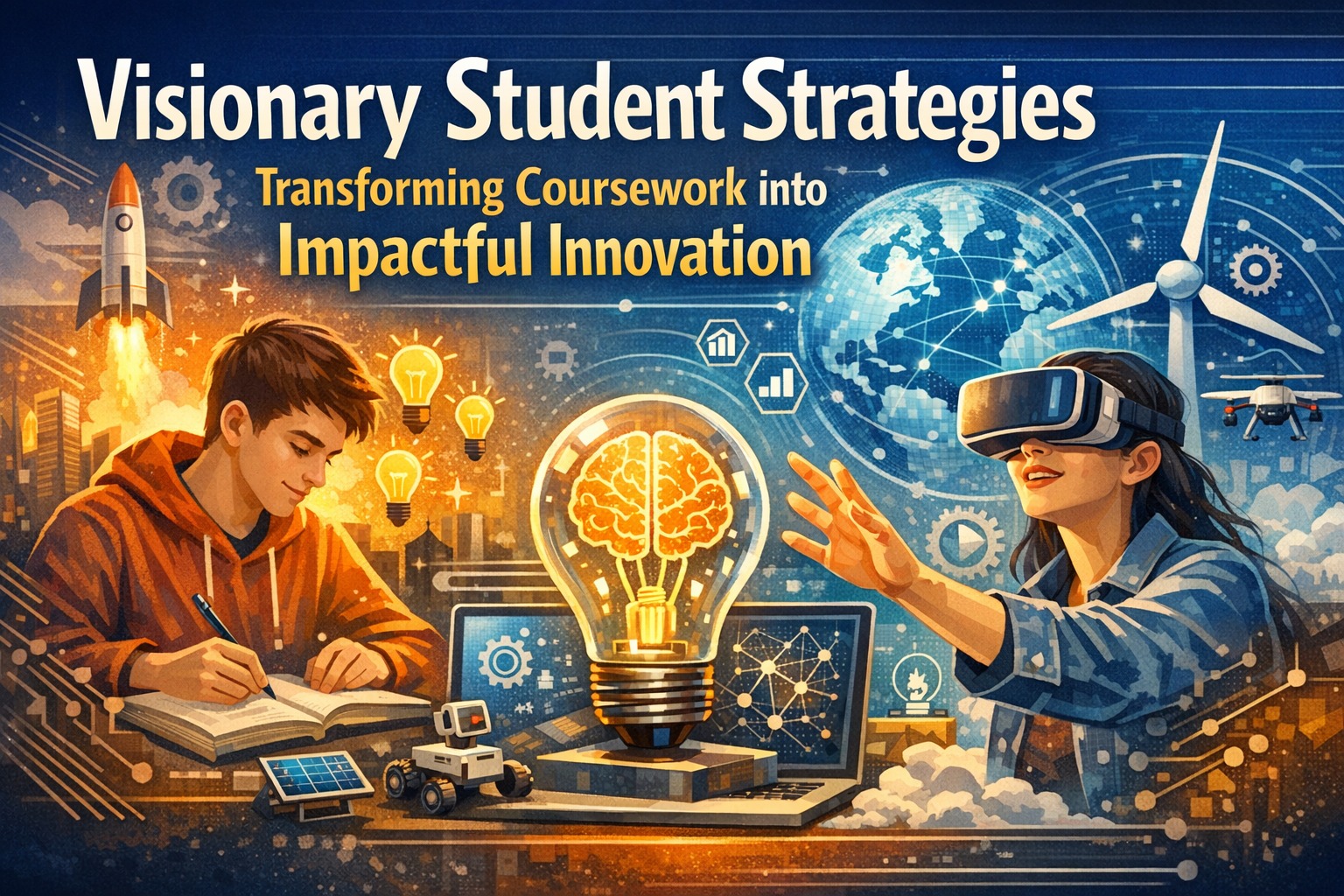
Visionary Student Strategies, Transforming Coursework into Impactful Innovation
Gusti Ayu Tita P
13 Maret 2026
INTRODUCTION: THE RISE OF VISIONARY STUDENTS
In today’s competitive academic environment, visionary students are redefining what it means to excel in college. Instead of seeing coursework as routine, they approach assignments strategically, transforming them into innovative projects that create real-world value.
STRATEGIC THINKING IN ACADEMIC ASSIGNMENTS
Visionary students analyze the potential of each assignment. They identify problems worth solving, explore creative solutions, and design projects that can impact communities, industries, or research fields. This strategic mindset ensures that academic work is both meaningful and relevant.
TURNING THEORY INTO PRACTICAL SOLUTIONS
Assignments are more than theoretical exercises—they can be stepping stones to practical applications. A student research project might inspire policy recommendations, while a design assignment could evolve into a marketable product. By bridging theory and practice, students enhance learning while generating tangible benefits.
CULTIVATING COLLABORATION AND LEADERSHIP
Innovation is rarely a solo effort. Visionary students leverage teamwork, seek mentorship, and build networks that strengthen their projects. Collaborating with peers and experts not only improves project quality but also develops leadership, communication, and interpersonal skills.
MEASURING IMPACT BEYOND ACADEMIC METRICS
Grades are just one measure of success. Visionary students evaluate the broader impact of their work—community influence, user feedback, or potential scalability. This focus on outcomes cultivates a forward-thinking mindset essential for long-term growth.
CONCLUSION: EMBRACING IMPACTFUL INNOVATION
By adopting visionary strategies, students convert ordinary assignments into platforms for innovation. This approach fosters creativity, practical problem-solving, and a portfolio of impactful achievements that prepares students for a future of endless possibilities.
About the Author
Gusti Ayu Tita P
Author — STEKOM University
An active author focused on academic issues, educational technology, and human resource development in the campus environment.