
What Are The Benefits Of Enjoying Nature During Marine Tourism?
Gusti Ayu Tita P
23 September 2026
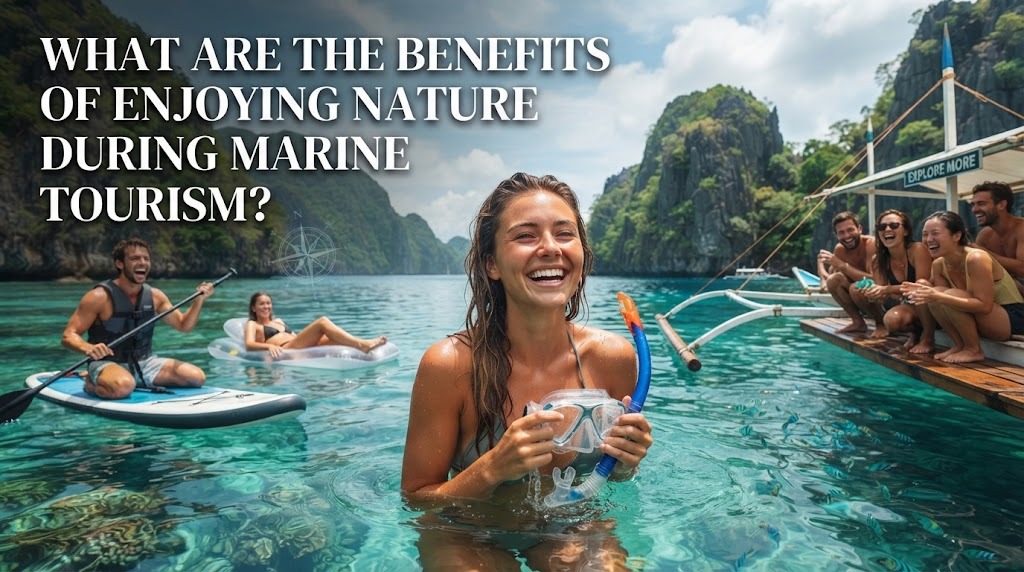
Marine tourism provides more than beautiful beaches and exciting activities. Spending time in coastal areas allows travelers to enjoy fresh air, ocean views, marine life, and natural landscapes while taking a break from daily routines. Activities such as walking along the beach, snorkeling, swimming, and watching the sunset can create enjoyable experiences. Enjoying nature responsibly can also provide benefits for personal well being and encourage greater appreciation for the environment.
REDUCES DAILY STRESS
Spending time in nature can provide a welcome break from busy routines. The sound of waves, sea breeze, and peaceful coastal scenery can create a relaxing atmosphere for many travelers. Simple activities such as sitting near the water or walking along the beach can help people slow down and focus on their surroundings. This can make a marine holiday feel refreshing after a busy period.
Marine tourism also gives travelers an opportunity to temporarily change their environment. Being away from work, school, traffic, and crowded urban spaces can provide valuable time for rest. Although a trip does not replace professional care for serious stress or mental health problems, it can be a useful recreational activity. A calm natural environment may help travelers return to their routines feeling more refreshed and relaxed.
IMPROVES CONNECTION WITH NATURE
Marine tourism allows people to experience natural environments directly. Travelers can observe coral reefs, fish, mangroves, beaches, islands, and coastal ecosystems that they may not see in everyday life. Seeing these environments can increase curiosity about how marine ecosystems function. Direct experiences can also make nature feel more meaningful than simply learning about it from books or screens.
A stronger connection with nature may encourage people to behave more responsibly toward the environment. Travelers who understand the value of marine ecosystems may become more careful about littering, touching coral, or disturbing wildlife. Responsible tourism helps protect these natural areas for future visitors. In this way, enjoying nature can be combined with environmental awareness.
SUPPORTS PHYSICAL ACTIVITY
Many activities in marine tourism involve natural physical movement. Walking on the beach, swimming, snorkeling, kayaking, and exploring coastal areas can help travelers stay physically active during their holidays. Outdoor activities can be more enjoyable when combined with attractive scenery. However, travelers should choose activities that match their abilities and follow local safety guidance.
Physical activity should be balanced with adequate rest. Travelers should drink enough water, protect themselves from excessive sun exposure, and use appropriate safety equipment when necessary. People with specific physical limitations should choose activities that are suitable for them. A balanced holiday can provide both recreation and healthy movement without unnecessary strain.
PROVIDES FRESH AIR AND SUNLIGHT
Coastal areas provide an outdoor environment where travelers can spend time in fresh air. Being outdoors can offer a pleasant change from enclosed spaces such as offices, classrooms, or homes. Daytime marine activities can also provide exposure to natural sunlight, which helps the body produce vitamin D when the skin is exposed to UVB radiation. However, sunlight exposure should be managed carefully.
Too much ultraviolet radiation can increase the risk of sunburn and long-term skin damage. Travelers should use suitable sun protection, such as sunscreen, protective clothing, sunglasses, and hats, and seek shade when appropriate. It is also important to stay hydrated during outdoor activities. Enjoying the coastal environment is safer when travelers balance outdoor exposure with proper protection.
ENCOURAGES MINDFUL EXPERIENCES
Nature can encourage travelers to pay attention to what is happening around them. Watching waves, listening to water, observing birds, or looking at underwater life can help people focus on the present moment. This type of attention can make ordinary activities feel more meaningful. Travelers may also find it easier to take a break from constant digital distractions.
Marine tourism offers many opportunities for quiet observation. Sitting on the beach at sunrise or sunset, for example, can provide a peaceful moment without requiring complicated activities. Travelers can choose to put their devices away for a while and simply enjoy the scenery. These experiences can contribute to a more peaceful and memorable holiday.
INCREASES ENVIRONMENTAL AWARENESS
Experiencing marine environments directly can help travelers understand why conservation is important. Seeing beautiful coral reefs, clean beaches, or diverse marine animals can create greater appreciation for ocean ecosystems. Travelers can learn that small actions, such as reducing plastic waste and avoiding damage to coral, can contribute to environmental protection. This knowledge can influence how they behave during future trips.
Marine tourism can also support local conservation efforts when visitors follow environmental regulations. Travelers should respect protected areas, avoid collecting natural objects where prohibited, and dispose of waste correctly. Choosing responsible tourism activities can help reduce negative impacts on coastal environments. Enjoying nature responsibly allows tourism and marine conservation to work together.
CREATES MEMORABLE EXPERIENCES
Natural landscapes can make marine tourism more memorable. Watching a colorful sunset, discovering a beautiful beach, or observing marine animals in their natural habitat can create unique travel memories. These experiences can be shared with family and friends through stories or photographs. They can also encourage travelers to explore and appreciate different natural environments.
Memorable experiences do not always require expensive activities. A simple beach walk or peaceful moment beside the ocean can be meaningful when travelers are fully present. The quality of the experience often depends on how people interact with their surroundings rather than how much they spend. This makes nature enjoyment accessible to many types of travelers.
CONCLUSION
Enjoying nature during marine tourism can provide several benefits, including relaxation, physical activity, environmental awareness, mindful experiences, and memorable moments. Coastal environments offer many simple ways to connect with nature while taking a break from everyday routines. Travelers should enjoy these benefits responsibly by protecting marine life, reducing waste, and following local regulations. By caring for nature while enjoying it, visitors can help preserve beautiful marine destinations for future generations.
About the Author
Gusti Ayu Tita P
Author — STEKOM University
An active author focused on academic issues, educational technology, and human resource development in the campus environment.















