
Common Mistakes Freshmen Should Avoid During Their First Year
Gusti Ayu Tita P
22 September 2026
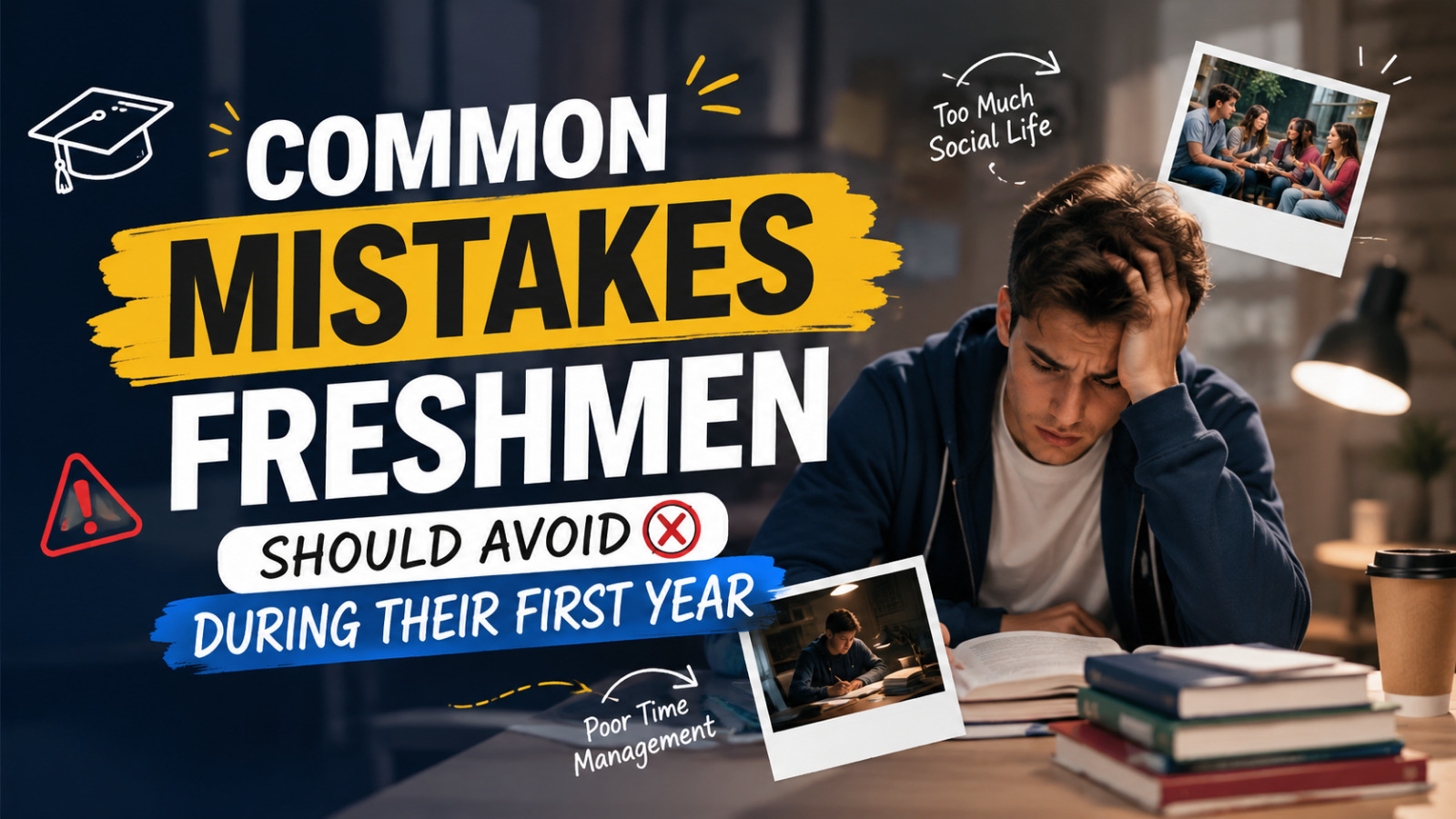
Starting college is an exciting experience, but it can also feel overwhelming for many new students. The first year often brings new responsibilities, different academic expectations, and major lifestyle changes. Because of this, many freshmen make avoidable mistakes that can affect their academic performance, mental well-being, and social life. Understanding these common errors early can help students adjust faster and build a stronger foundation for success. This article discusses the common mistakes freshmen should avoid during their first year and offers practical tips to make college life more manageable and rewarding.
IGNORING TIME MANAGEMENT
One of the biggest mistakes freshmen make is failing to manage their time properly. In college, students often have more freedom than they had in high school, but that freedom also comes with greater responsibility. Without a clear schedule, assignments, class preparation, and personal activities can quickly pile up. Poor time management often leads to late submissions, stress, and lower academic performance.
Freshmen should learn to use planners, digital calendars, or to-do lists from the beginning of their first year. Setting priorities and breaking large tasks into smaller steps can make studying feel less overwhelming. Students should also avoid waiting until the last minute to complete assignments because procrastination can reduce the quality of their work. Building strong study habits and managing time wisely can make college life far more balanced and productive.
SKIPPING CLASSES AND NOT TAKING ACADEMICS SERIOUSLY
Another common mistake is assuming that skipping one or two classes will not make a difference. In reality, missing lectures can cause students to lose important explanations, class discussions, and assignment details. College courses often move quickly, so missing even a single meeting can make it harder to catch up. This habit can slowly damage college success and reduce confidence in class.
Freshmen need to understand that regular attendance is part of building discipline and responsibility. Taking notes, asking questions, and staying engaged in class can improve understanding and grades. Students should also review material after class so they do not fall behind. Taking academics seriously from the start is one of the smartest ways to build a strong and successful campus life experience.
TRYING TO DO EVERYTHING ALONE
Many freshmen believe they must solve every problem by themselves, whether it is academic pressure, emotional stress, or confusion about campus systems. While independence is important, refusing to ask for help can make problems worse. Some students struggle silently with assignments, homesickness, or adapting to a new environment. Over time, this can affect both mental health and academic performance.
Freshmen should remember that colleges provide many support systems, such as academic advisors, tutors, counseling services, and student organizations. Asking for help is not a sign of weakness; it is a smart strategy for growth. Talking to lecturers, classmates, or mentors can make challenges feel more manageable. Students who seek guidance early are often better prepared to handle their first year with confidence.
NEGLECTING HEALTH AND SELF-CARE
The first year of college can become very busy, and many students begin to sacrifice sleep, healthy meals, and exercise. Staying up late to finish assignments, eating irregularly, and ignoring stress may seem normal at first, but these habits can quickly harm physical and mental health. When students are tired and unhealthy, it becomes much harder to focus, remember information, and stay motivated. Poor self-care can also increase anxiety and burnout.
Freshmen should create a routine that includes enough rest, proper meals, and time to recharge. Simple habits such as drinking enough water, walking regularly, and taking short study breaks can make a big difference. Mental health matters just as much as grades, so students should pay attention to signs of stress and exhaustion. A healthy body and mind are essential for long-term college success and better study habits.
FOCUSING ONLY ON SOCIAL LIFE OR ONLY ON STUDY
College offers many opportunities to meet new people, join clubs, and explore new experiences. However, some freshmen become so focused on social activities that they forget their academic responsibilities. On the other hand, some students spend all their time studying and avoid building friendships or joining campus activities. Both extremes can create an unhealthy and unbalanced college experience.
Freshmen should aim for balance between academic responsibilities and personal growth. Joining organizations, attending campus events, and making friends can improve communication skills and emotional support. At the same time, students must set limits so social activities do not interfere with deadlines and exams. A balanced campus life helps students enjoy college while still maintaining strong academic performance.
COMPARING THEMSELVES TOO MUCH TO OTHERS
It is common for freshmen to compare their grades, friendships, or achievements with other students. Social media and campus competition can make it seem like everyone else is doing better, adjusting faster, or living a more exciting college life. This constant comparison can create insecurity, stress, and disappointment. In reality, every student adapts to college at a different pace.
Freshmen should focus on their own progress rather than trying to match someone else’s journey. Setting realistic goals and celebrating small achievements can help build confidence over time. College is not a race; it is a personal learning process that includes mistakes, growth, and adjustment. Students who stay focused on their own improvement are more likely to achieve sustainable college success and enjoy their first year more fully.
CONCLUSION
The first year of college is a major transition, and making mistakes is part of the learning process. However, avoiding common problems such as poor time management, skipping classes, ignoring health, refusing help, and living without balance can make the transition much smoother. Freshmen who develop strong study habits, take care of themselves, and use campus resources wisely are more likely to succeed both academically and personally. By making thoughtful choices early, students can turn their first year into a strong beginning for long-term college success.
Tentang Penulis
Gusti Ayu Tita P
Penulis — Universitas STEKOM
Penulis aktif yang berfokus pada isu-isu akademik, teknologi pendidikan, dan pengembangan sumber daya manusia di lingkungan kampus.















