Does the Flexibility of Online Learning Lead to Better Academic Performance
Gusti Ayu Tita P
28 Februari 2026
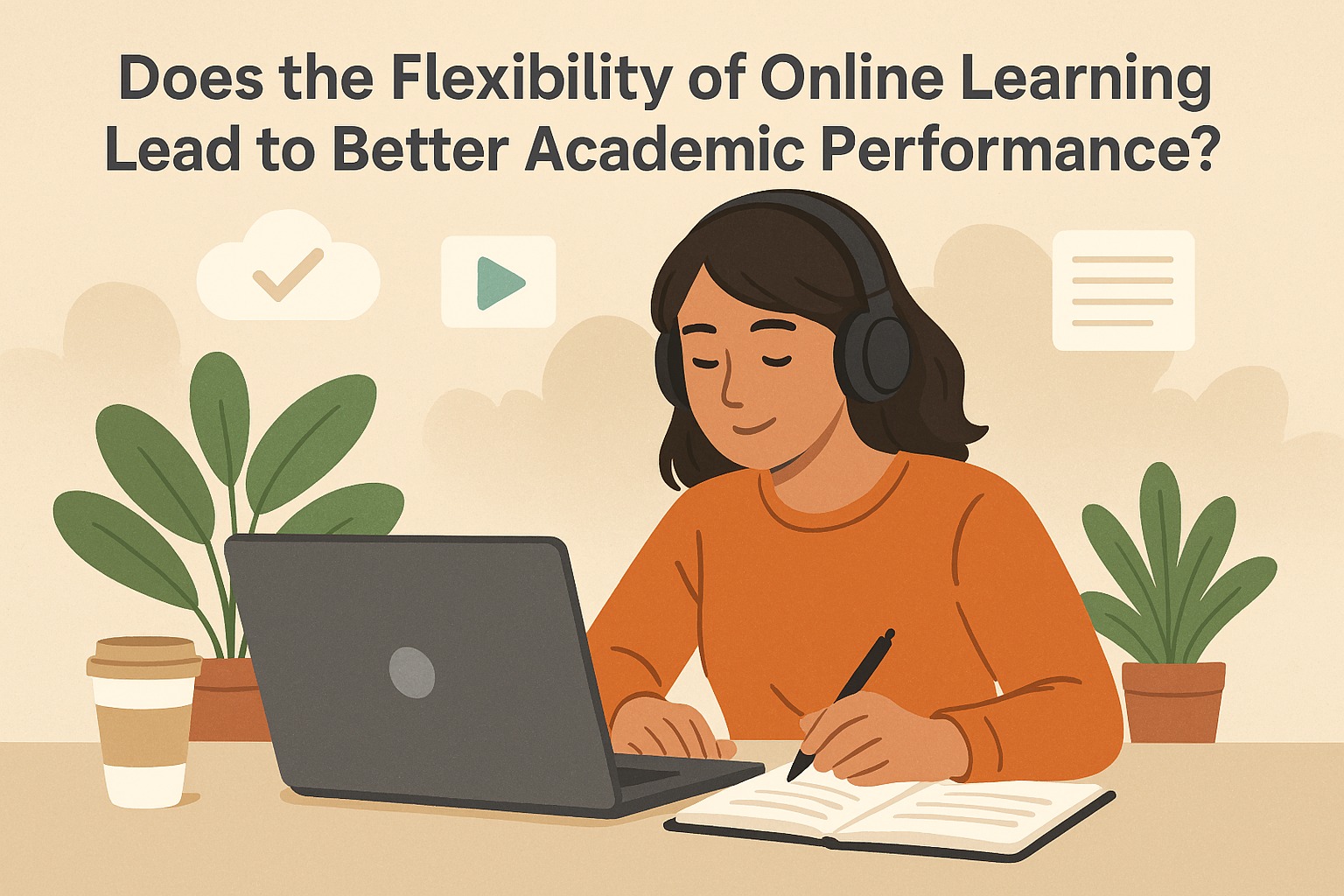
The expansion of digital technology has reshaped the educational landscape across the globe. Online learning is now widely adopted by schools, universities, and professional training institutions. Among its many advantages, flexibility is often considered the most attractive feature. Students can study anytime and anywhere, adjusting their learning schedule to fit their personal lives. However, an important question arises: does the flexibility of online learning truly lead to better academic performance?
To answer this, it is necessary to analyze how flexibility influences study habits, motivation, and overall academic outcomes.
FLEXIBLE SCHEDULES AND PERSONALIZED LEARNING
One of the main strengths of online learning is the ability to create a personalized study schedule. Students can choose the time of day when they feel most productive. Some learners perform better in the morning, while others focus more effectively at night. This freedom allows them to maximize concentration and absorb information more efficiently.
In addition, many online courses provide recorded lectures and digital materials that can be accessed repeatedly. Students who struggle with certain topics can review the content as often as needed. This repetition can strengthen understanding and improve exam performance.
However, flexibility requires self-discipline. Without proper time management, students may postpone assignments and fall behind. In such cases, flexibility may reduce academic performance instead of enhancing it.
BALANCE BETWEEN STUDY AND PERSONAL LIFE
Flexibility also allows students to balance academic responsibilities with work, family, and other commitments. This balance can reduce stress and create a healthier learning environment. When students experience lower stress levels, they are often able to focus better and achieve stronger academic results.
For working students, online learning provides opportunities to continue their education without sacrificing income. This accessibility can increase motivation, as learners see education as a practical and achievable goal.
On the other hand, balancing multiple responsibilities can sometimes lead to divided attention. If students prioritize non-academic activities over coursework, their performance may decline despite having flexible access.
INDEPENDENCE AND SELF-MOTIVATION
Online learning encourages independence. Students are responsible for tracking deadlines, completing tasks, and participating in discussions without constant supervision. For highly motivated individuals, this independence can foster critical thinking and deeper engagement with course materials.
Moreover, digital platforms often include progress tracking tools and automated reminders. These features can help students stay organized and monitor their academic development.
Nevertheless, not all students thrive in independent learning environments. Some learners perform better in structured, face-to-face classrooms where teachers provide immediate guidance and supervision.
QUALITY OF COURSE DESIGN AND SUPPORT
The relationship between flexibility and academic performance also depends on course design. Well-structured online courses combine flexible access with clear deadlines, interactive activities, and consistent feedback. When flexibility is supported by strong instructional design, students are more likely to achieve positive outcomes.
Additionally, teacher involvement plays a crucial role. Regular communication, constructive feedback, and engaging content can motivate students to use their flexible schedules effectively.
CONCLUSION
The flexibility of online learning has the potential to improve academic performance, particularly for disciplined and motivated students. Personalized schedules, repeated access to materials, and balanced lifestyles can contribute to better learning outcomes.
However, flexibility alone does not guarantee success. Academic performance ultimately depends on time management, self-motivation, and the quality of course design. When used responsibly and supported by effective teaching strategies, online learning flexibility can become a powerful tool for academic achievement.
Tentang Penulis
Gusti Ayu Tita P
Penulis — Universitas STEKOM
Penulis aktif yang berfokus pada isu-isu akademik, teknologi pendidikan, dan pengembangan sumber daya manusia di lingkungan kampus.